
The **2025 Cadillac Escalade IQ review** starts with the only question that matters: did GM build a real electric Escalade, or just a giant branding exercise? Here’s what we know — and here’s what we don’t. On paper, the Escalade IQ is the battery-powered extension of Cadillac’s most recognizable nameplate, riding on GM’s Ultium-based architecture with big power, big range targets, and the kind of curb presence that makes subtlety someone else’s problem. It is not a lightly updated gas Escalade. It is a clean-sheet EV aimed at buyers cross-shopping a loaded luxury SUV, a Rivian R1S, or even a high-end pickup-based people mover.
What the Escalade IQ is really trying to do
Cadillac is not sneaking into the EV era with this one. The Escalade IQ is a statement vehicle designed to tell dealers, suppliers, and luxury buyers that GM intends to keep its profit-rich SUV business intact even as the market shifts toward batteries and software. That matters because the Escalade name carries weight far beyond unit sales. It has long been Cadillac’s rolling billboard, and the IQ version is supposed to prove the brand can move upscale without giving up the swagger that made the original such a cultural fixture.
In practical terms, this means a full-size three-row EV with a massive battery, substantial towing expectations, and a cabin loaded with screens and premium trim. It also means the Escalade IQ is less about efficiency purity and more about making the EV transition feel painless for an existing luxury SUV buyer. Reading between the lines of the press release, Cadillac knows its customer is not shopping for minimalism. This buyer wants presence, space, and enough range to avoid planning every weekend around a charger stop.
Power, range, and the numbers that matter
Three numbers that explain what’s happening: horsepower, battery size, and charging speed. Cadillac has positioned the Escalade IQ as a high-output EV, with published figures pointing to strong acceleration and enough grunt to move a very large machine with authority. Expect the usual EV party trick here: instant torque, quiet launches, and a surprisingly quick sprint for something this substantial. That part should not be hard. Modern premium EVs know how to feel fast.
The more important metric is range. Cadillac has targeted a figure north of 400 miles, which, if delivered in mixed real-world use, would put the Escalade IQ in rare company for a full-size luxury EV. That kind of range changes the conversation. It means fewer compromises for families, executives, or livery buyers who want electric torque without constant DC fast-charging stops. The tradeoff is obvious: a battery this large adds weight, cost, and complexity.

Charging should be competitive for the segment, especially on high-output DC fast chargers. Buyers need to look past headline specs and ask a simpler question: how quickly can this thing recover meaningful road-trip miles? If the answer is strong enough to add a couple hundred miles in around a half-hour under ideal conditions, Cadillac has done its job. Home charging remains the real ownership backbone, and anyone shopping this class should budget for a Level 2 setup from day one.
Interior tech, packaging, and where luxury meets screen overload
If the exterior says Escalade, the cabin says modern flagship. Expect a dashboard dominated by large digital displays, premium materials, and the kind of packaging tricks EV platforms enable, including a flat floor and improved space use. Cadillac has leaned hard into screen-heavy interiors across its EV lineup, and the Escalade IQ follows that script. Some buyers will love the theater of it. Others will wonder whether every control really needed to become a graphic.
The good news is that a large EV skateboard platform usually pays off in second-row legroom, third-row usability, and cargo flexibility. That matters more than the wow factor after the first week. A luxury SUV in this price band has to handle airport runs, client dinners, and family road trips without asking passengers to make excuses for it. The Escalade IQ appears built with that brief in mind.
There is still a difference between tech-rich and intuitive. That will be one of the most important real-world tests once more buyers spend time outside media drives. A gorgeous screen setup is only a win if common tasks stay simple. Climate controls, seat functions, route planning, and driver-assist menus need to work without turning every trip into a software tutorial.
On the road: quiet confidence, big-vehicle realities
The likely strength of the Escalade IQ is composure. Big EVs tend to feel planted because the battery keeps weight low in the chassis, and premium air suspension tuning can mask a lot of mass. That should translate into a smooth, hushed highway ride, which is exactly what a luxury Cadillac should deliver. Around town, rear-wheel steering and camera systems can help shrink the vehicle from behind the wheel, but nobody should confuse “easier” with “small.” This is still a very large SUV.
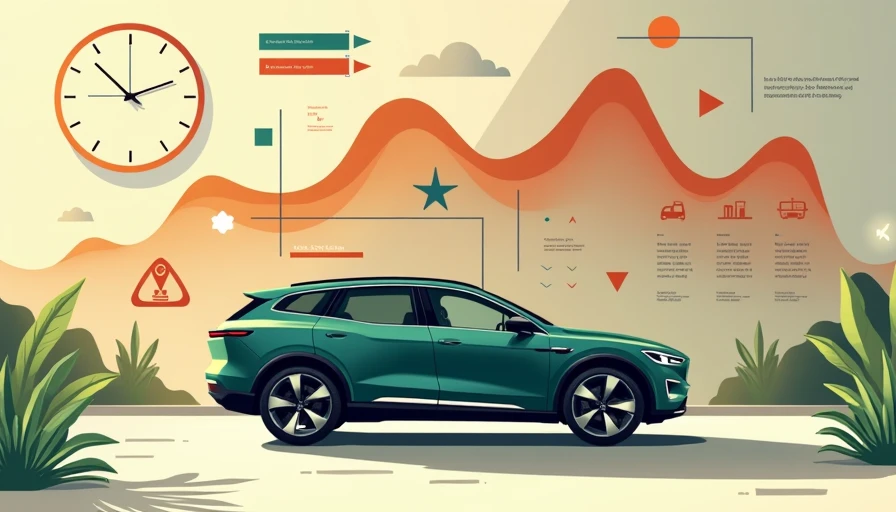
That size cuts both ways. Buyers get imposing design, serious passenger room, and a commanding seating position. They also get parking-lot bulk, expensive tires, and the simple fact that heavy EVs can go through energy quickly when loaded with people, luggage, and aggressive right-foot inputs. Towing will be another watch item. Electric SUVs can tow well, but range drops meaningfully with a trailer, and that reality does not care what the brochure says.
For many shoppers, though, the Escalade IQ’s road manners will be the deciding factor. If it feels serene, solid, and genuinely premium at 75 mph, Cadillac has landed the brief. If the software nags, the controls frustrate, or the sheer mass shows up in awkward ways, buyers will notice fast.
Should you buy one, and who is it for?
This **2025 Cadillac Escalade IQ review** lands in a pretty clear place: if you want a large luxury EV with badge power, real presence, and headline range, this is one of the most important new entries in the segment. It is for buyers who want an EV without downsizing their lifestyle. It is also for existing Escalade households ready to trade V8 theatrics for electric torque and silence.
The likely downsides are equally clear. Price will put it firmly in premium territory. Insurance costs on a six-figure luxury EV will not be trivial. Public charging still depends heavily on route, weather, and infrastructure quality. And while Cadillac’s Super Cruise remains one of the strongest hands-free driver-assist systems in the market, no software feature erases the realities of owning a giant, expensive SUV.
My take? Skip the easy hype and focus on use case. If you need three rows, crave a quiet long-range cruiser, and want something more distinctive than another luxury crossover, the Escalade IQ makes a serious case for itself. If you rarely use the space and just want an EV badge with cachet, there are cheaper ways to get there. That is the signal in this **2025 Cadillac Escalade IQ review**: impressive hardware, clear ambition, and a product that matters because GM cannot afford for it to be merely interesting.
Travellers Write
No letters yet — be the first traveller to write.