A Mazda airbag recall is not a story to file away for later. An open safety campaign can involve an inflator, sensor, wiring connection, or complete airbag module, and the remedy is generally provided at no charge by an authorized Mazda dealer. The first job is identifying whether your specific vehicle is affected. Recalls attach to vehicle identification numbers, not broad model names alone.
Mazda has issued recalls over the years involving vehicles such as the Mazda3, Mazda6, CX-5, CX-7, CX-9, RX-8, and other models. Production dates, regions, repair history, and replacement parts can change the answer. Here's what we know — and here's what we don't: a headline about a Mazda airbag recall does not automatically mean every Mazda on the road has the same defect.
How to check a Mazda airbag recall by VIN
Your 17-character VIN is the cleanest way to get an answer. It is usually visible through the windshield on the driver's side, printed on the driver-door jamb label, and listed on your registration or insurance documents. Enter it into the National Highway Traffic Safety Administration's recall lookup tool at NHTSA.gov. You can also use Mazda's official recall lookup page or call a local Mazda dealer's service department.
The result should show whether an unrepaired safety recall is open. Read the campaign description, recall number, affected component, risk, and remedy language. A vehicle can appear in a database because it had a recall, while also showing that the repair was completed. Those are different outcomes. If a seller says a used car is "recall free," ask for a VIN report and repair documentation rather than relying on a verbal assurance.
Write down the VIN, recall number, and dealer confirmation. If the online tool returns no result but your notice names an airbag problem, call Mazda customer service or a dealer. Data updates can lag, and a dealer can check internal service records. For a used vehicle, ask whether replacement parts were installed by Mazda or another qualified repair facility.
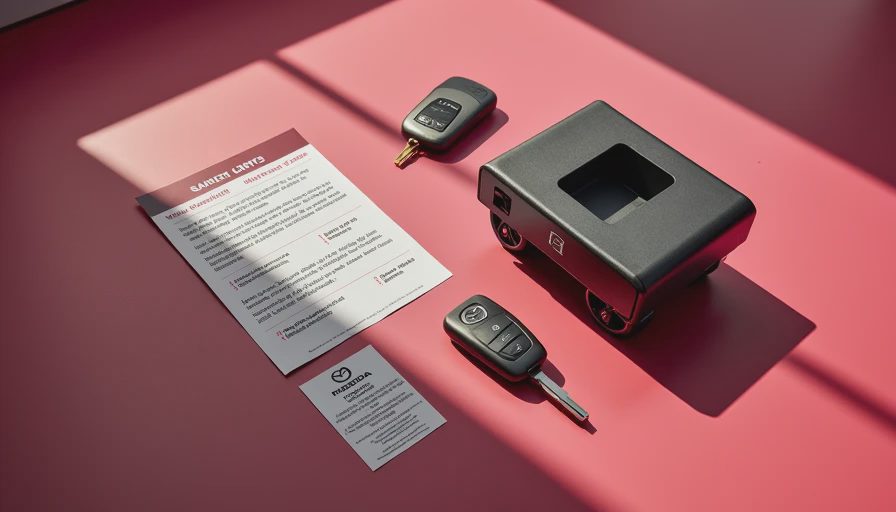
Why Takata still matters in Mazda airbag recall searches
Much of the public attention around airbag recalls comes from Takata inflators. In affected inflators, deteriorating propellant and long-term exposure to heat and humidity can increase the risk that the inflator ruptures during deployment. A rupture can send metal fragments into the cabin instead of releasing gas through the intended mechanism. That is an unusually severe failure mode, which is why owners should treat an open notice as urgent.
Not every Mazda airbag recall involves Takata equipment. Some campaigns concern a passenger-occupant sensor, an airbag control module, a clock spring, seat wiring, or software. The repair instructions are specific to the campaign. Do not assume that a prior airbag replacement resolves every later notice, and do not treat an illuminated airbag warning lamp as a routine maintenance reminder. The restraint system deserves prompt diagnosis.
NHTSA recall notices often identify the remedy and the expected owner action. If the notice says not to drive the vehicle, follow that instruction. In other cases, the agency or manufacturer may recommend making an appointment as soon as possible. Heat, humidity, and vehicle age can matter for certain inflator campaigns, but the VIN result is still the controlling starting point.
What the Mazda dealer repair should cost
A genuine safety-recall remedy should be free to the current owner, regardless of whether the vehicle is still under its basic warranty. The dealer may replace an inflator, airbag assembly, sensor, wiring component, or related module. Labor and parts associated with the recall are normally covered by Mazda under the campaign terms.
When scheduling, provide the VIN and recall number. Ask whether the required part is in stock, how long the vehicle will be held, and whether a loaner or shuttle is available. Parts shortages have affected recall repairs across the industry, so a dealer may need to order a component. That does not cancel the recall; it means the repair has to be tracked until completed.
If you already paid for a repair that later became part of a recall, keep the invoice. Reimbursement rules vary by campaign and often require proof of payment, repair date, and the exact work performed. A dealership service adviser can explain the submission process. Do not pay a third party for a promised recall fix when the manufacturer remedy is available through an authorized channel.
What to do before the appointment
Park the Mazda in a secure location and avoid unnecessary driving if the notice describes a rupture risk or specifically says not to drive. Do not remove an airbag module yourself. The system contains pyrotechnic components, and improper handling can cause injury or disable a restraint. If the car must be moved, ask the dealer whether towing is appropriate and whether towing assistance is included.
Bring the recall letter, registration, keys, and any dashboard-warning details. Photograph the warning light only if it can help document the condition without distracting you from driving. Tell the adviser about previous collision repairs, aftermarket steering-wheel work, water intrusion, or electrical modifications. Those details can help separate the recall remedy from unrelated problems.
After the repair, obtain a completed work order. It should identify the campaign and replacement operation. Check that the airbag warning lamp performs its normal startup check and goes out after the engine starts. If it remains illuminated, return to the dealer promptly; an unresolved warning can indicate a separate fault in the supplemental restraint system.
Does a Mazda airbag recall affect auto insurance?
A recall by itself usually does not create an insurance claim and does not automatically raise your premium. Recalls are manufacturer safety actions, while insurance pricing typically considers factors such as driving history, location, vehicle characteristics, coverage choices, and claims. However, ignoring a known safety defect can create serious consequences if an avoidable crash injury or damage dispute follows.
Comprehensive and collision coverage do not replace a recall repair. Collision coverage addresses damage from a crash, subject to the policy deductible. Comprehensive coverage generally addresses non-collision events such as theft, hail, or animal damage. Neither is a substitute for a free manufacturer remedy. Liability coverage protects against covered damage or injuries you cause to others; it does not repair an unrepaired airbag at your home.
If a recall-related component deploys unexpectedly or fails during a crash, contact your insurer after seeking medical help and making the scene safe. Preserve the dealer records, recall notice, photographs, police report, and medical documentation. Do not guess about fault in a recorded statement. The insurer and manufacturer may have separate investigation processes.
A practical Mazda airbag recall checklist
Start with the VIN, not a social-media post. Run it through NHTSA and Mazda, then compare the results with letters or emails you received. Call an authorized dealer and ask for the earliest appointment. Confirm whether parts are available and whether the vehicle should be driven or towed. At drop-off, describe every warning light and provide prior repair records. Before leaving, collect paperwork showing the campaign was completed.
Then review your auto policy separately. Confirm your liability limits, collision deductible, roadside assistance, and rental reimbursement. A $1,000 collision deductible can matter after a crash even though the recall repair itself is free. Shopping several insurers can also reveal meaningful differences in price and service, particularly after adding a newer vehicle or changing coverage limits. Compare equivalent limits rather than choosing the cheapest incomplete policy.
The central point is simple: search the VIN, act on the result, and document the repair. A Mazda airbag recall is a safety matter first, an administrative task second, and an insurance question only when a crash or related loss occurs. Check the official record, press the dealer for a clear appointment, and do not let an unresolved restraint warning become background noise.

Travellers Write
No letters yet — be the first traveller to write.