
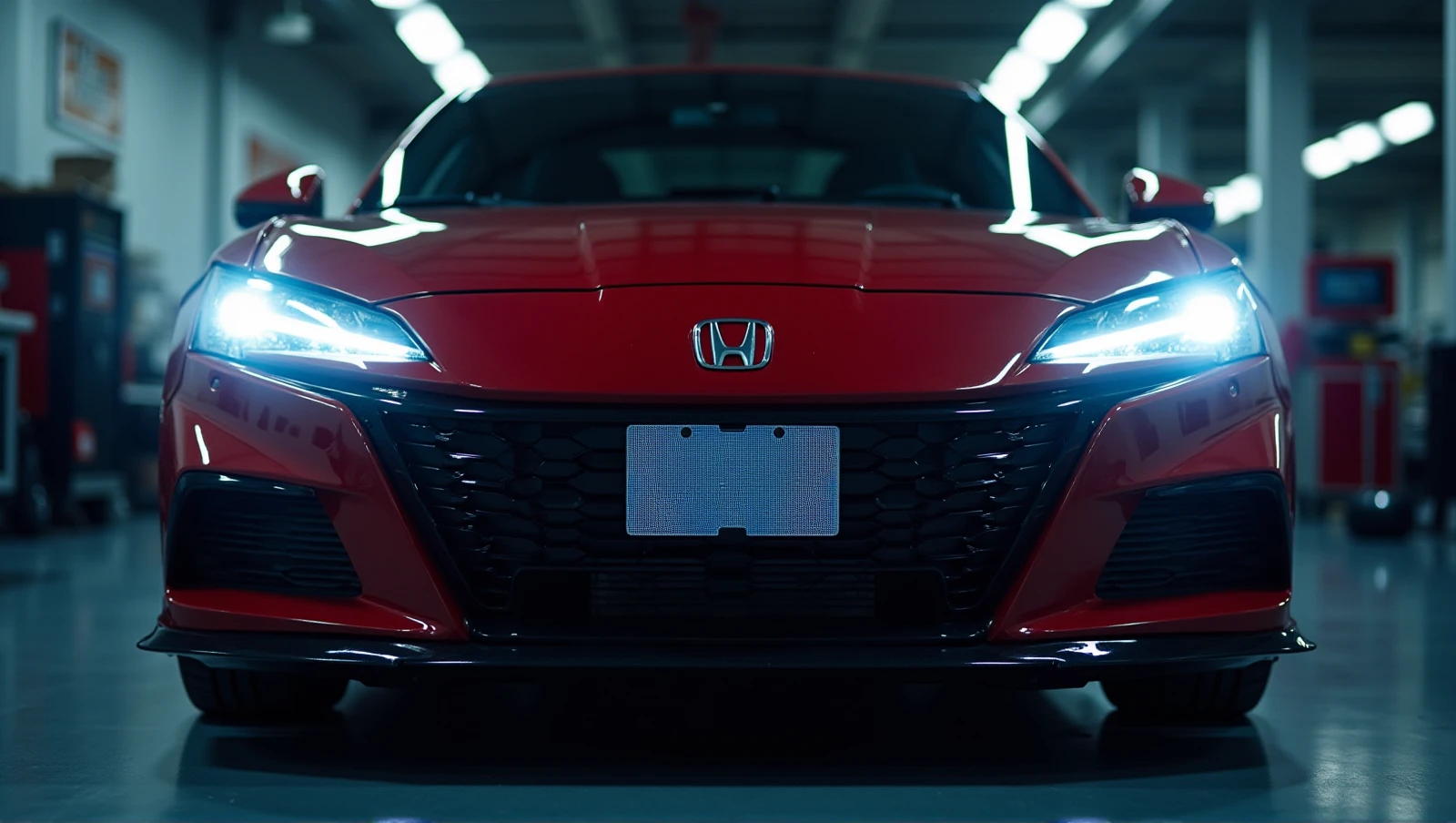
Software Error Can Disable Power Steering in 2025 Acura RDX
- 17,334 units affected from the 2025 model year
- Owner notifications mailed around October 20, 2025
- VIN lookup available starting September 17, 2025
- Fix involves reprogramming EPS memory at no cost
Imagine navigating a tight corner or merging onto a highway and suddenly having the steering wheel fight you. That is the reality facing owners of certain 2025 Acura RDX SUVs following a new safety recall issued by Honda. The issue isn't mechanical wear or a broken rack; it's a line of code. An improper calibration in the electronic power steering (EPS) software can cause the system to shut down assist features entirely, leaving drivers to muscle the wheel without help.
Honda estimates 17,334 vehicles are involved in this campaign. While the estimated percentage of vehicles actually containing the defect is low at 0.27%, the safety risk is significant enough to warrant immediate attention. When the EPS system enters failsafe mode, warning indicators illuminate on the instrument cluster, but the physical effort required to turn the front wheels increases drastically. At low speeds, this is merely inconvenient. At highway speeds, reduced controllability increases the risk of a crash.
The California Connection
What makes this recall particularly interesting is the root cause. Modern vehicles are networks of interconnected computers, and tweaking one system can inadvertently break another. In this case, the steering problem stems from emissions compliance. During the development of the 2025 RDX EPS software, engineers were working to ensure the vehicle complied with California Idle Stop On-Board Diagnostics (OBD) requirements.
In the process of meeting those environmental standards, a Tier 2 supplier inadvertently set the EPS target returnability Integrated Dynamics System (IDS) gain to an incorrect value. For those deep into vehicle dynamics, IDS gain controls how quickly the steering wheel returns to center and how much resistance it offers during maneuvers. Because of this calibration error, the system becomes overly sensitive under specific conditions.
The fault triggers only when a perfect storm of driving inputs occurs. The vehicle must be in Comfort mode, the Lane Keeping Assist System (LKAS) must be active, and the driver must apply a sharp steering input during a turn. When these conditions align, the EPS target returnability output exceeds the Safety Barrier threshold. The car's computer interprets this spike as a critical fault and kills power assist to protect the hardware. Essentially, the software decides the steering is behaving too erratically, so it disables itself.
Production records show the affected vehicles were built between January 23, 2024, and August 18, 2025. The supplier identified the issue and implemented improved EPS software into production on August 29, 2025, meaning units built after that date should not exhibit the flaw.
When to Expect the Fix
For current owners, the solution is digital. There are no physical parts to replace. The remedy program requires owners to take their vehicle to an authorized Acura dealer, where technicians will reprogram the EPS memory layout with the improved software. This update ensures the failsafe does not activate under the specified driving conditions.
Communication timelines are already set. Dealer notification is scheduled to begin and end on or about September 6, 2025. Owners will receive mail notification shortly after, with the campaign scheduled to begin and end on or about October 20, 2025. If you are anxious to check your status before the letters arrive, the VIN search tool will be live on the recall website starting September 17, 2025.
Owners can determine if their specific vehicles are included by visiting It is worth noting that while the defect rate is statistically low, the nature of electronic power steering failures makes this a priority repair. Unlike a rattling trim piece or a faulty sensor, losing steering assist directly impacts vehicle controllability.
This recall highlights the growing complexity of software-defined vehicles. As manufacturers rush to meet varying global regulations regarding emissions and safety, the interdependence of ECUs becomes a liability. A change intended to satisfy California OBD requirements shouldn't compromise steering geometry, yet here we are. For the 17,334 owners involved, a quick software flash will restore confidence in the rack, but it serves as a stark reminder that in modern automotive engineering, everything is connected.