
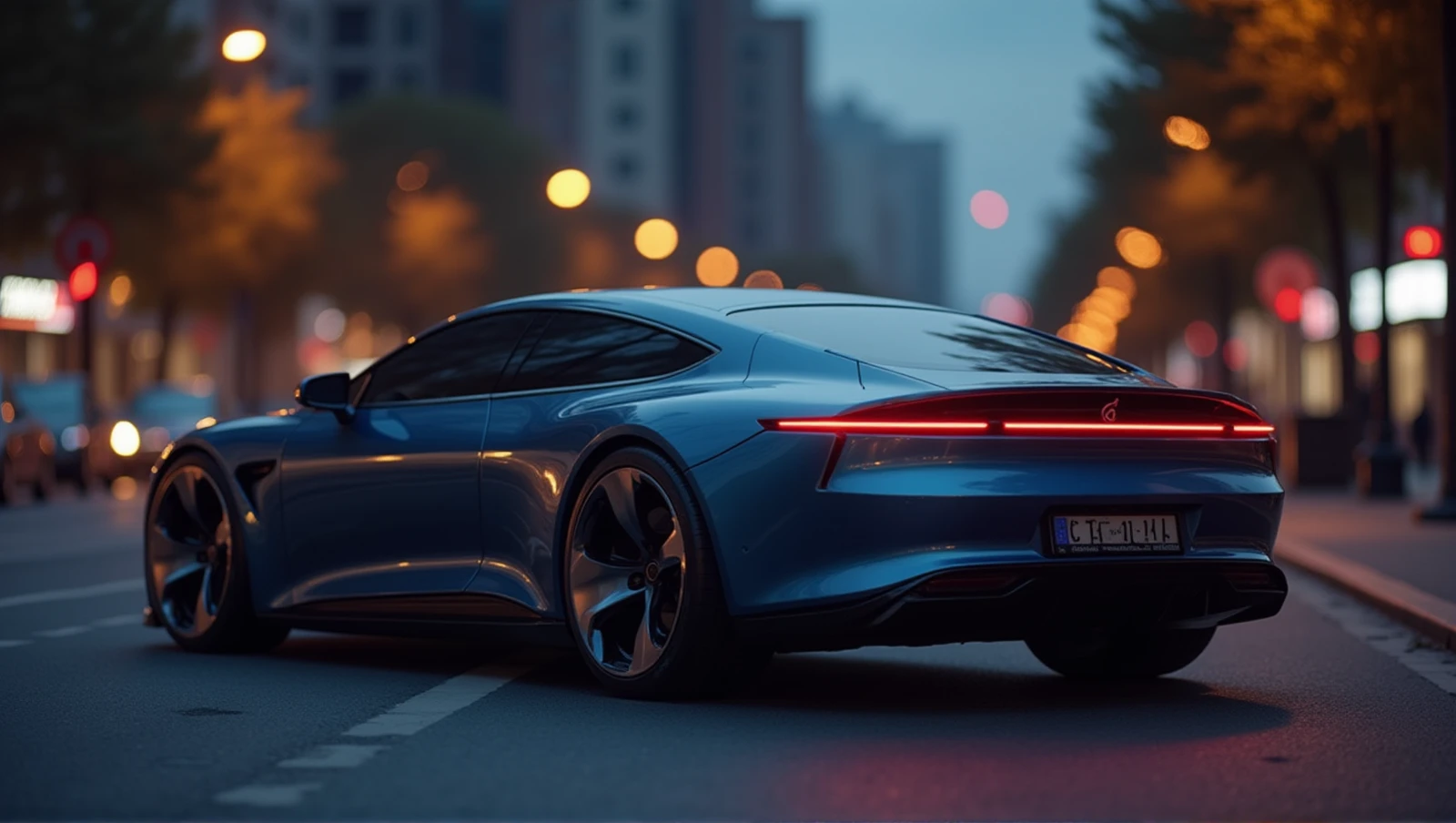
2026 Marks the Death of the Car as a Product and the Rise of the Platform
The automotive industry is staring down a turbulent 2026. On the surface, you might see moderate growth, but look closer and you'll find production overcapacity, a glut of competing brands, and European legacy players locked in existential cost-reduction programs. Profitability is becoming elusive for the old guard, yet technology is finally acting as the great equalizer. The real story isn't about horsepower or torque figures this year; it's about the fundamental shift from selling metal to selling software.
For decades, a car was a static product. You bought it, it depreciated, and eventually, it broke. That model is dead. According to Publicis Sapient's Guide to Next research, 58% of automotive leaders are now scaling over-the-air updates beyond pilot programs. More critically, 34% have reached a maturity level where these capabilities actually drive significant revenue. Vehicles are no longer frozen in time at the dealership lot; they are dynamic platforms designed to evolve throughout ownership, replacing decentralized modules with unified, updatable architectures.
The AI Concierge in Your Cockpit
If software-defined vehicles are the engine, agentic AI is the fuel. Nearly all surveyed automotive leaders—99% to be exact—view agentic AI as essential to their monetization strategies. We aren't talking about voice commands that struggle to understand "turn up the heat." These intelligent systems act as in-car concierges, proactively scheduling maintenance, booking charging stations, and personalizing journeys without driver input.
The implications extend far beyond convenience. Agentic AI fundamentally reshapes how brands connect with customers. As AI agents negotiate directly with other systems on behalf of drivers, traditional brand touchpoints lose relevance. Data quality and compatibility are becoming the new battlegrounds. However, there is a massive confidence gap lurking beneath the hype. Publicis Sapient's research shows that 60% of automakers believe they're ready to monetize in-car AI, yet only one-third have truly scaled these capabilities. Building AI systems that drivers actually value, rather than just technological demonstrations, is the challenge ahead.
The Hybrid Reality Check
While the industry buzzes about electrification, the market tells a different story. Plug-in hybrids and traditional hybrids remain strong bridge technologies. The regulatory push toward electric vehicles has not eliminated market realities: range anxiety, charging infrastructure gaps, and price sensitivity still shape purchase decisions.
For OEMs managing overcapacity while building for multiple propulsion systems, cost reduction programs aren't optional; they're existential. With average vehicle ages exceeding 12 years, the traditional sales model shows its limits. The real opportunity lies beyond the lot. Industry leaders identify safety and maintenance bundles (60%), connectivity packages (49%), and navigation services (47%) as most valuable to customers. With 91% viewing autonomous capabilities as critical to monetization, the shift from product to platform accelerates recurring revenue through subscriptions, upgrades, and contextual services.
Transform or Perish
2026 demands clarity. Winners will encode brand identity into AI systems, build data foundations enabling real-time transactions, design for drivers rather than balance sheets, and treat vehicles as platforms monetizing entire ownership lifecycles. The convergence of software-defined vehicles, agentic AI, and new monetization models creates a once-in-a-generation opening.
Traditional barriers—manufacturing scale, dealer networks, brand legacy—matter less when the battlefield is data compatibility and algorithmic visibility. Challengers with cleaner architectures can leapfrog incumbents struggling with technical debt. For OEMs navigating overcapacity, electrification pressures, and margin compression, the message is clear: survival belongs not to those cutting costs fastest, but to those transforming most decisively. The platform era has begun.