
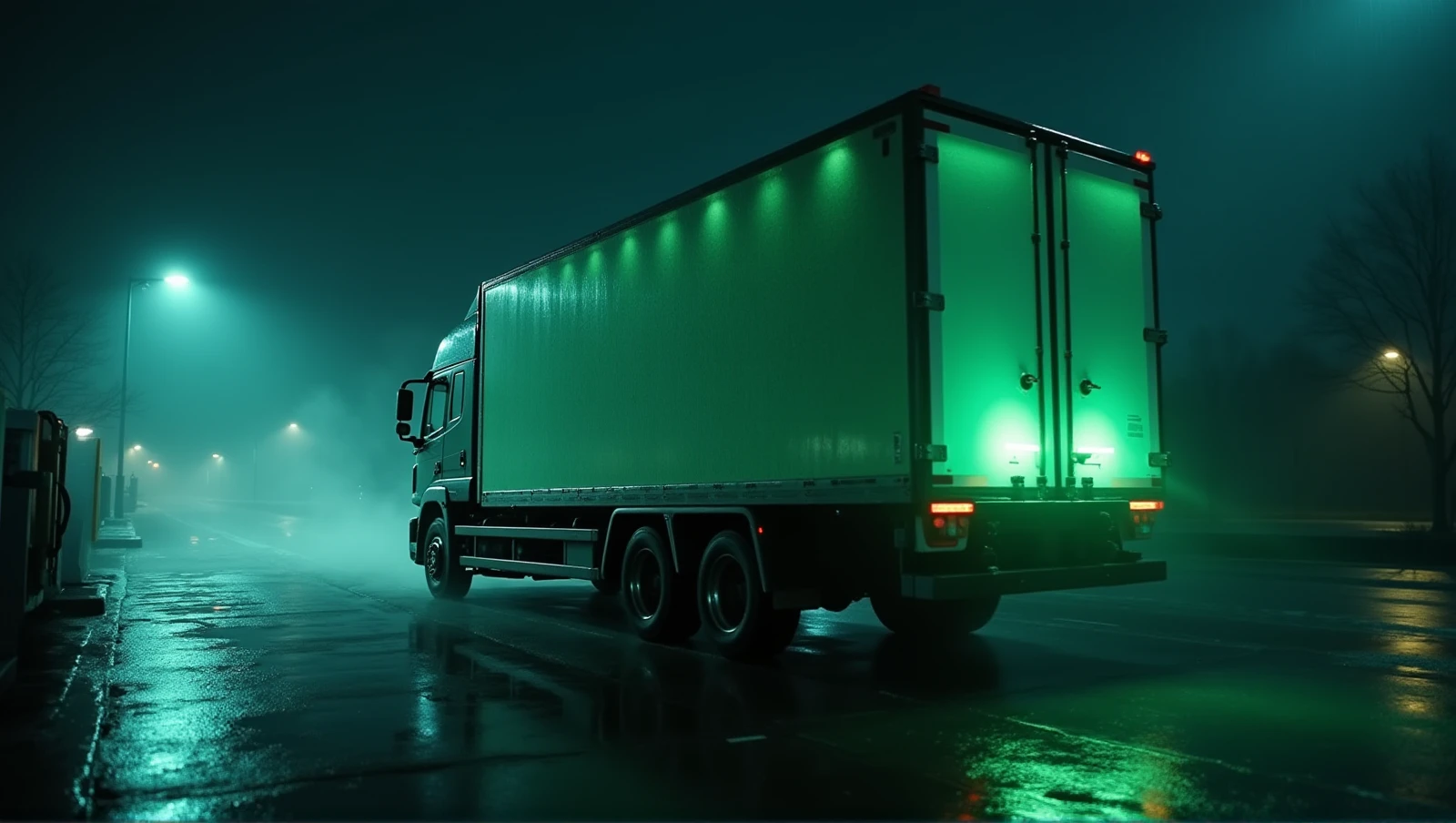
UK Deploys 5 MW Truck Charging as Isuzu Bets on Hydrogen and Slate Logs 160k Reservations
VEV and Maritime Transport just flipped the switch on 5 MW of electric truck charging infrastructure in the UK, a move that signals the heavy metal side of the EV transition is finally getting serious. While passenger car charging fights over kilowatts, commercial fleets are talking megawatts. This installation coincides with the deployment of electric heavy goods vehicles (eHGVs), proving that logistics companies are done waiting for permission to electrify.
It's a stark contrast to the passenger market, where range anxiety still dominates the conversation. For fleet operators, downtime is money lost. A 5 MW setup isn't just a charger; it's a power plant subplot designed to keep trucks moving rather than parked.
The Hydrogen Hedge
Over in Japan, Isuzu is taking a different bet on commercial propulsion. The company is jointly developing Japan's first mass-produced light-duty fuel cell electric truck, leveraging Toyota's fuel cell technology. Hydrogen remains the polarizing sibling in the zero-emission family. Battery electric advocates argue the efficiency losses in hydrogen production make it a non-starter for light duty. But for commercial users who need quick refueling and consistent payload capacity without battery weight penalties, the chemistry still makes sense.
Isuzu isn't dipping a toe in; this is a mass-production play. If they can crack the durability code on fuel cells in light-duty applications, it opens a lane for hydrogen where batteries might struggle—specifically in regions where grid capacity lags behind demand. It's a pragmatic hedge. If the grid can't support every delivery van plugging in at night, hydrogen offers a workaround.
Consumer Hype vs. Reality
On the consumer side, the numbers get flashier but the details remain thinner. Slate, an EV pickup startup, claims 160,000 people have reserved their trucks. The company pitches the vehicles as affordable with a variety of customization options that could serve as a revolutionary profit model.
Take those reservation numbers with the usual industry grain of salt. Converting reservations to orders is where most startups bleed out. However, the focus on customization as a profit model is noteworthy. Traditional automakers make money on options lists; if Slate can streamline that process while keeping MSRP down, they might actually survive the production valley of death. For a segment dominated by the Cybertruck and the Silverado EV, "affordable" is a dangerous word to throw around unless the margins actually work.
The Tax Man Cometh
While companies build trucks and chargers, governments are staring down a fiscal cliff. Gaurav Batra, Global Advanced Manufacturing & Mobility Analyst Leader at EY, notes that with the shift to EVs, governments globally will lose billions in fuel tax revenue. The question isn't if they'll compensate for the shortfall, but how hard they'll hit drivers to do it.
"Some governments are already feeling the pinch of reduced fuel tax revenues and are testing new strategies," Batra said.
This is the bill coming due for the EV transition. We can celebrate the 5 MW charging plazas and the hydrogen prototypes, but the infrastructure isn't just chargers and pumps—it's the fiscal framework that keeps the roads paved. If states start charging per-mile fees that outpace fuel tax savings, the total cost of ownership calculations for these EVs change overnight.
The Bottom Line
The industry is fragmenting into specific use cases. Heavy freight is going high-power electric in the UK. Light duty commercial is testing hydrogen in Japan. Consumer pickups are banking on reservation hype in the US. Meanwhile, the economists are figuring out how to pay for the roads everyone is driving on.
It's a messy ecosystem, but it's finally moving beyond concept sketches. The 5 MW installation proves that when the economics align for commercial fleets, the infrastructure follows. Now the rest of the supply chain has to catch up.