
We've seen it in spy photos and sat in the front right seat for a sneak preview of its performance. Now it's time to take the first look at one of the most popular small luxury cars on the road.
The Mercedes-Benz CLA-Class has been reinvented for the 2026 model year. It's grown bigger, gained more technology, and now runs on batteries—in part or entirely. It rivals several vehicles in the under-$50,000 space, but the one it calls to mind most clearly is a non-luxury-branded sedan: the Hyundai Ioniq 6.
It remains a compact sedan with an aero-smooth body and room for four or five. But this time around, the CLA-Class has become a thought leader for the toughest question facing luxury automakers today: How do you keep prices in check while complying with global regulations and ill-conceived tariffs—all while delivering a hefty payload of style and technology?
2026 Mercedes-Benz CLA-Class
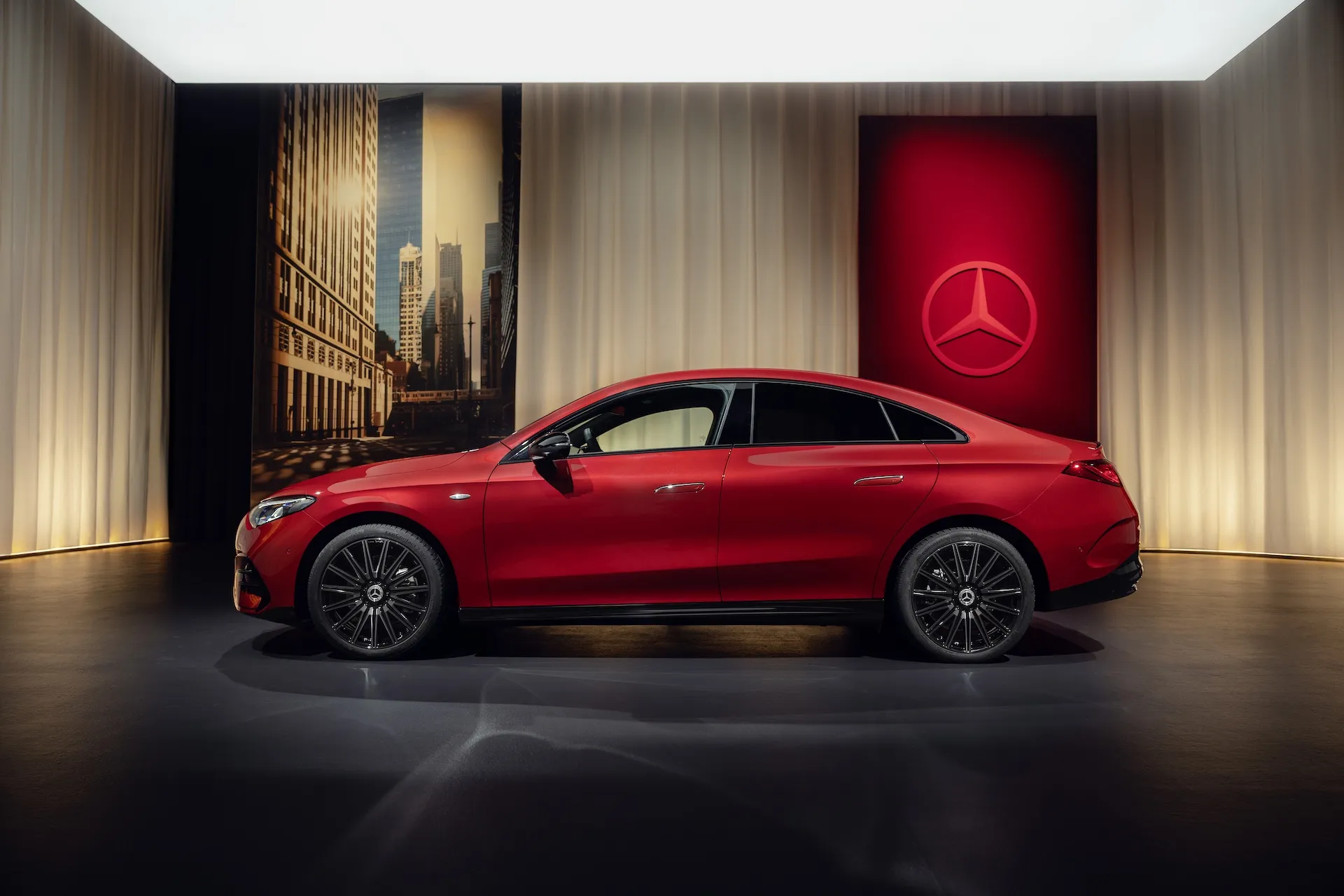
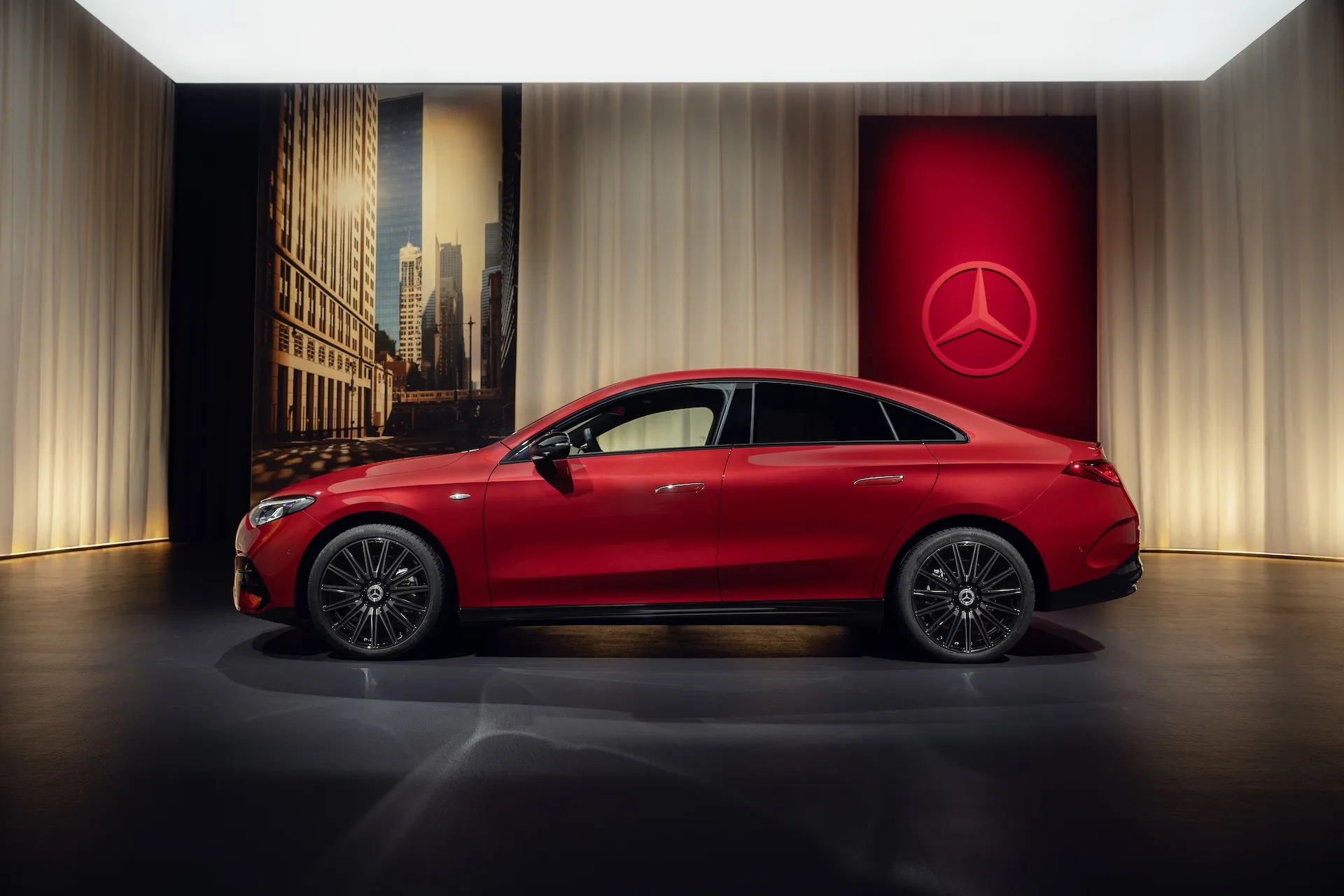
From body panels to tires, the 2026 CLA bristles with an evolution of its coupe-like style. It's built on a new component set dubbed MMA that will form the basis for four compact vehicles in the coming years: a CLA-Class, a GLB-Class SUV replacement, a GLA hatchback successor, and a shooting-brake CLA that won't reach the U.S.
The CLA's identity has grown sharper—while it's also grown up and out. With more wedge in its stance and a taller profile, it's a muscled-up version of the compact Benz now in its third generation. At the front, the electric CLA wears a panel studded with 142 LED-lit stars, with the three-pointed-star badge illuminated at the constellation's center. Stars even make up its LED running lights, all pulsing to greet the driver or say goodbye. Hybrid CLAs get chrome-stamped stars instead, with a more conventional grille framed by LED light. The front end's cutlines mask some of the car's added height; the roofline does most of the work as it slopes toward a rear end banded by a light bar and studded with its own three-pointed-star LED taillights.
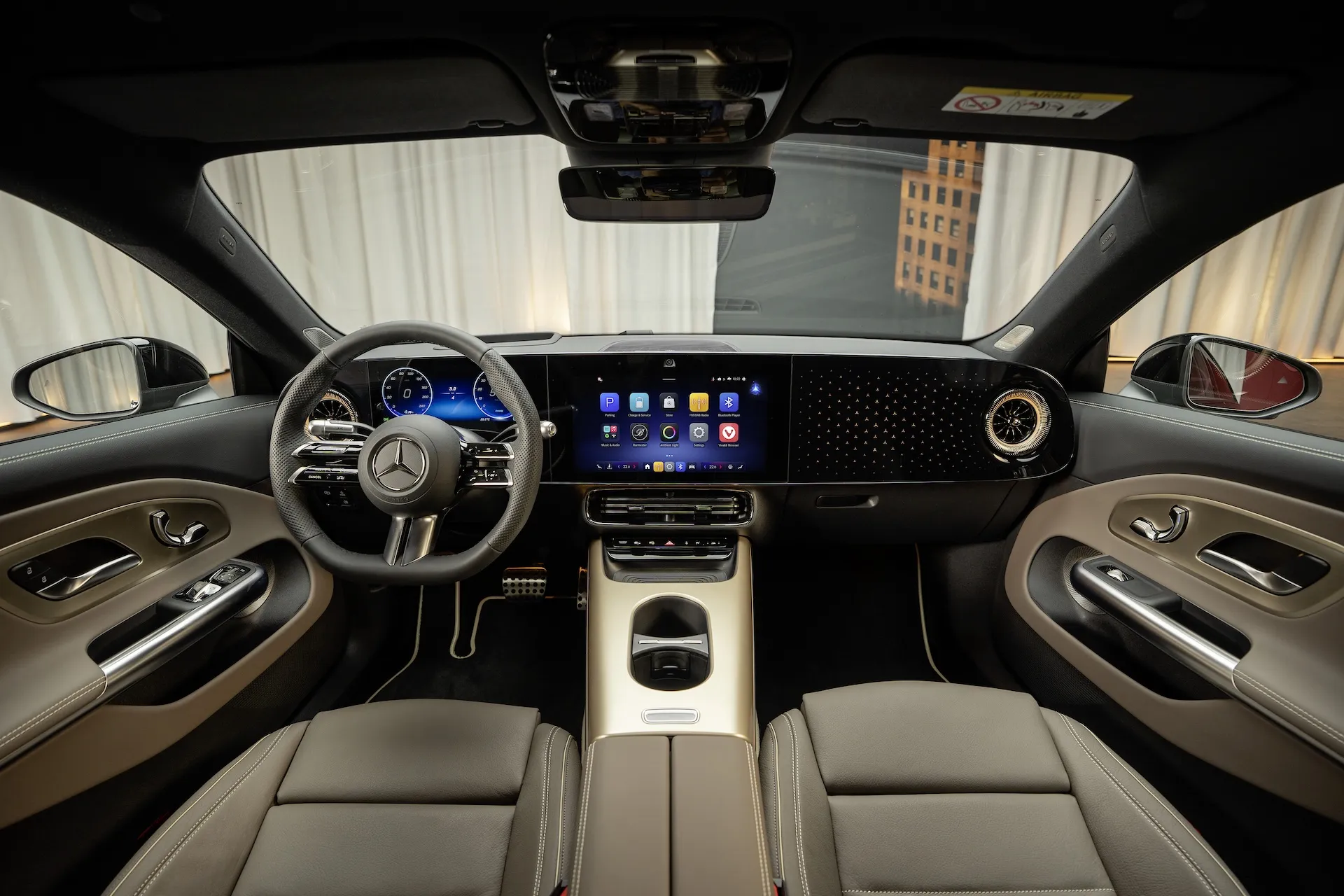
Inside the CLA's cabin, the cowl sits high, and wide-screen displays dominate from door to door. Following the Hyperscreen in the EQE and EQS cars, the CLA's "Superscreen" stitches together three displays under a single glass pane, dressed with a Mercedes-coded interface. This look promises to work better in the GLB-Class replacement in proportion alone, but it's knitted in here with floating armrests featuring pull-style handles and a floating center console, so the interior doesn't feel confining. Wood, leather, and metallic trim offset the pixels in at least one unexpectedly fabulous way—one treatment with retro flair features white leather clouding around white wood trim inscribed with pencil-thin lines. Overall, the style aims to appeal to current CLA and Mercedes owners, with none of the spartan overtones of some other EVs.
2026 Mercedes-Benz CLA-Class
Rather than clustering its performance credentials around a single powertrain, the 2026 CLA sedan pushes toward the ends of the bell curve. For now, the U.S. lineup includes two electric models, with a hybrid edition coming in a year or so.
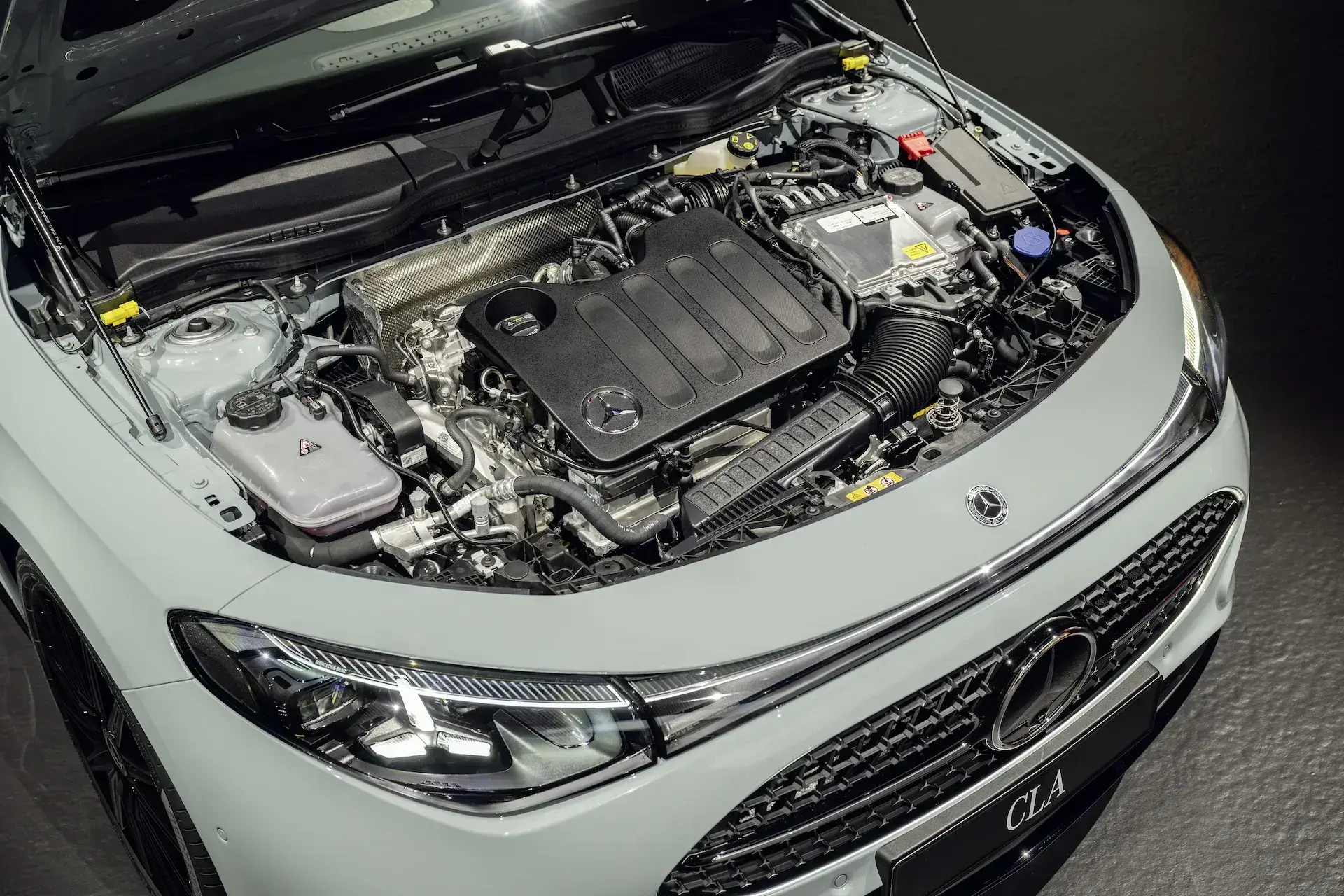
The CLA 250+ with EQ Technology takes the entry spot in the BEV lineup. With an 85.5-kWh (usable) lithium-ion battery pack forming its floor and a single rear motor, this edition delivers 268 hp and a 0-60 mph time of 6.6 seconds. Adding a second 107-hp motor up front creates the CLA 350 4Matic with EQ Technology—all-wheel drive, of course—posting a Mercedes-estimated 0-60 mph time of 4.8 seconds. Both BEVs top out at 130 mph.
In chasing efficiency for the MMA cars, Mercedes extracted lessons from its EQXX concept. In dual-motor models, the front motor can decouple to reduce consumption by up to 90%. The aerodynamic shape achieves a 0.21 coefficient of drag, while a heat pump trims efficiency losses in cold weather. The 2026 CLA becomes the first—but certainly not the last—Mercedes to deploy a rear-mounted 2-speed transmission, allowing the car to operate more efficiently across a wider speed range.
With its 800-volt architecture, the CLA charges at rates up to 320 kW, promising a maximum restoration of 186 miles of range in 10 minutes. The plan for U.S. cars is to include both J1772 and NACS charge ports under a single door. Mercedes hasn't quoted Level 2 charging times through its onboard 11-kW charger. While EPA ratings remain unconfirmed, WLTP estimates suggest the CLA's most efficient model should exceed 300 miles of range—perhaps even 350 miles.
Complaints about regenerative braking on Mercedes's EQS and EQE cars led to a revamped system in the CLA. The car now takes sensor data from driver braking and blends regen with friction braking for optimal stopping power. In most cases, Mercedes believes regenerative braking will handle the work. The 2026 CLA-Class features a true one-pedal drive mode, something we experienced during a CLA EV prototype ride late last year. Drivers toggle from low to high regen through D-, D, and D+ modes, with a fourth D Auto mode letting the car decide regen intensity.
The CLA EVs should launch by year's end. In 2026, Mercedes plans to add a hybrid CLA, pairing a 1.5-liter 4-cylinder engine with a smaller 1.3-kWh battery pack and a 27-hp front motor integrated into its 8-speed dual-clutch automatic. No plug-in hybrid is planned—a PHEV setup wouldn't be efficient with price or fuel—but the CLA will cruise on battery power at speeds up to 60 mph.
2026 Mercedes-Benz CLA-Class
It remains a compact vehicle, but the 2026 CLA-Class has made gains as it gets into fighting trim. The wheelbase has grown 2.4 inches, overall height by 1.1 inches. A brief stint in the front and back seats showed the CLA in a better position than its two predecessors in driving position and comfort. The back seat's improved too, though some progress comes from the higher panoramic sunroof flooding the interior with light. The battery pack consumes that inch-plus growth spurt in EV models, and the rear seating position remains a knees-up affair. In cargo space, the CLA EV's trunk looks more usefully sized—and there's a front trunk too. A roll-aboard will fit, but it must be hoisted over the nose to get there.
Space hasn't been a CLA calling card anyway. Technology promises to be a new one, with the Superscreen hosting a new MB.OS interface blending Google map data with Mercedes look and feel. Drivers can view augmented mapping on their digital display while full-screen Apple CarPlay or native navigation steers toward a destination or plays streaming music—all while the front passenger views movies or other streaming content. With improved voice recognition and responsive speech, MB.OS becomes "more friendly"—and more attuned to the driver's mood, shifting its lighting language from green to red as it senses speech and observes in-car data. We're eager to experiment with this setup in intense traffic with death metal blaring, just to push a few buttons (that it doesn't have, thanks to big screens and touch-swipe controls).
Every 2026 CLA-Class sedan includes automatic emergency braking and adaptive cruise control. A Level 2 driver-assist system adds automatic lane changes and other features, some through over-the-air updates delivered via its network of eight cameras, 12 ultrasonic sensors, and five radar sensors.
Expect all this to cost more than the 2025 CLA-Class, which started at $45,550 and reached $70,000 in AMG CLA 45 S form. No U.S.-specific numbers or features have been announced, but by late 2025 it'll all become clearer—and we'll know if the latest CLA can outflank its rivals and claim the top spot in the compact luxury-EV class.