
EV Strategies Fracture in 2026: Kia Pushes In While Ford Reshuffles
The electric vehicle revolution was supposed to be a tidal wave, sweeping every manufacturer toward the same electrified shore. Instead, as we navigate through 2026, the industry looks less like a unified front and more like a choppy sea where every captain is steering by a different compass. Some are doubling down on volume, others are reshuffling the deck chairs in executive suites, and the real battleground has quietly shifted to Beijing.
The divergence is stark. On one side, you have brands scrambling to fill the affordable gap that has plagued the segment since the early 2020s. On the other, legacy giants are pausing to rethink product creation pipelines before committing further capital. It's a messy landscape, but for enthusiasts and buyers alike, it clarifies who is actually confident in their hardware versus who is still trying to fix the software behind the curtain.
The Entry-Level Gamble
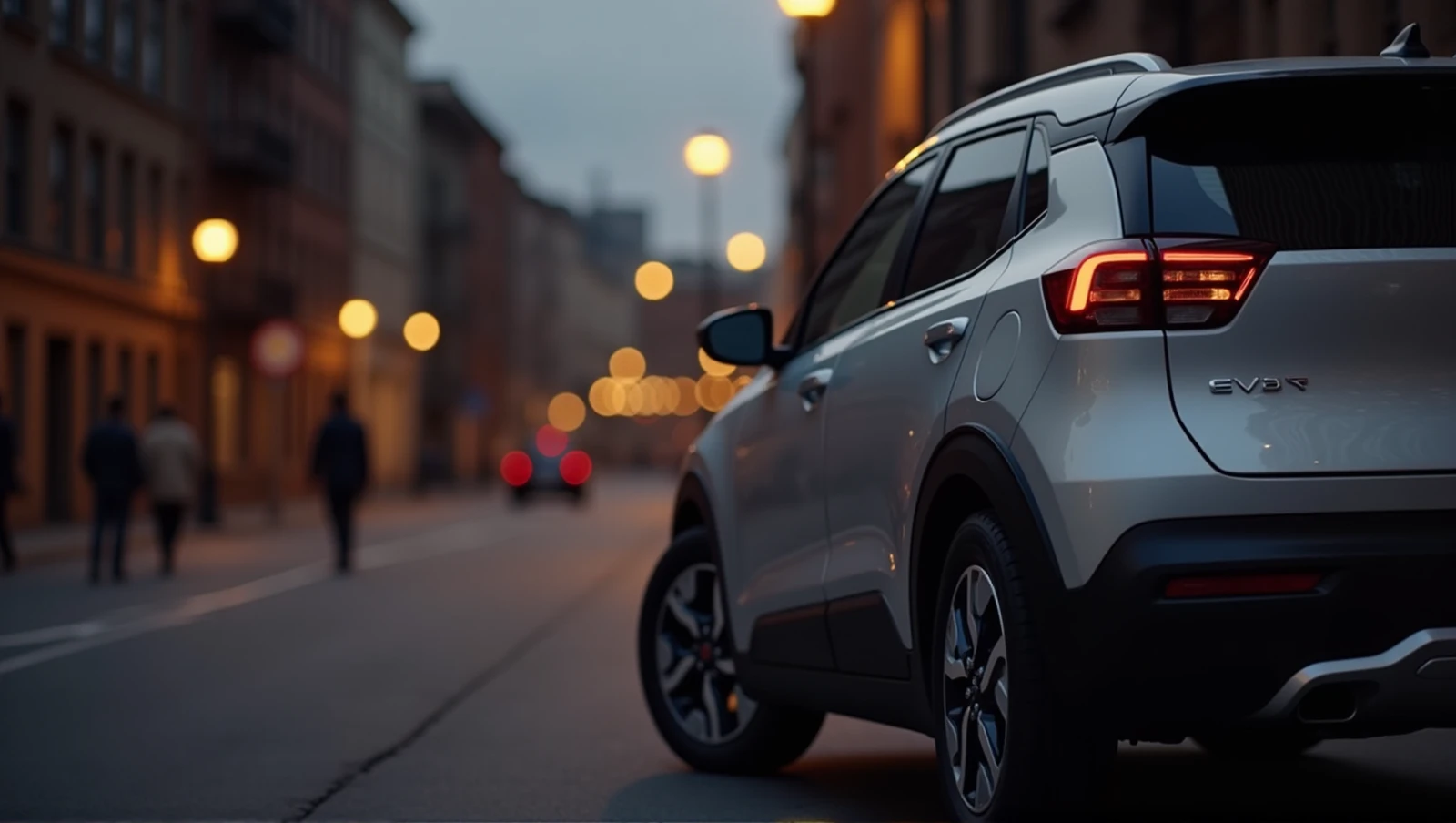
Kia is making the most tangible move for the average buyer. The automaker confirmed it will bring the EV3 electric subcompact crossover to the U.S. late this year. This isn't just another model launch; it's a direct attempt to target entry-level buyers with a new nameplate. For years, the EV market has been skewed toward premium pricing, leaving budget-conscious drivers stuck with compliance cars or aging ICE options.
By introducing a subcompact crossover now, Kia is betting that the market needs volume over vanity. While competitors hesitate on margin-thin small EVs, Kia is pushing forward. The timing is critical. Late this year arrival means it hits showrooms just as the back half of the decade begins, positioning it against whatever refreshed hardware rivals manage to roll out. For a segment starved of options under the $40,000 mark, the EV3's arrival is the most concrete news for shoppers we've seen in months.
Executive Shuffle and Strategy Resets
Over at Ford, the strategy looks less about new metal and more about internal architecture. Tech exec Doug Field is leaving the automaker as it forms a new product creation team. The goal, according to internal messaging, is to make decisions faster. This is a tacit admission that the previous structure was too bloated to keep pace with the market.
Ford is preparing to launch a slew of new and updated products in the back half of the decade, but they clearly felt the decision-making process was a bottleneck. Losing a high-profile executive like Field during this pivot suggests growing pains are still very much alive. It's a reminder that building the car is only half the battle; building the organization to sell it is equally volatile.
Hyundai is seeing similar leadership churn. COO Claudia Marquez is set to cover U.S. sales after top exec Michael Orange leaves. When leadership changes at this level mid-stream, it usually signals a recalibration of sales targets or distribution strategy. For dealers and customers, it means the playbook for the next 12 months might look different than the one handed out in January.
The China Gambit
While American brands fiddle with org charts, the global brands led by Volkswagen, GM, and BMW are doubling down on China bet with locally developed electric vehicles. This was the headline coming out of the Beijing auto show, and it underscores where the real EV innovation is happening.
These manufacturers are no longer just exporting designs; they are developing EVs locally to suit the specific demands of the Chinese market. This is a survival tactic. China's EV ecosystem moves faster than anywhere else, with supply chains and software integration that Western markets still struggle to match. By committing to locally developed units, VW, GM, and BMW are acknowledging that a one-size-fits-all global platform isn't enough to win anymore.
For U.S. buyers, this divergence creates a confusing but interesting market. You have Kia pushing affordable hardware, Ford resetting its product engine, and global giants treating China as a separate development hub. There is no single EV strategy in 2026. There are only bets. Some will pay off in range and pricing, others will end up as cautionary tales in business school textbooks. For now, the only certainty is that the industry is no longer marching in lockstep.