
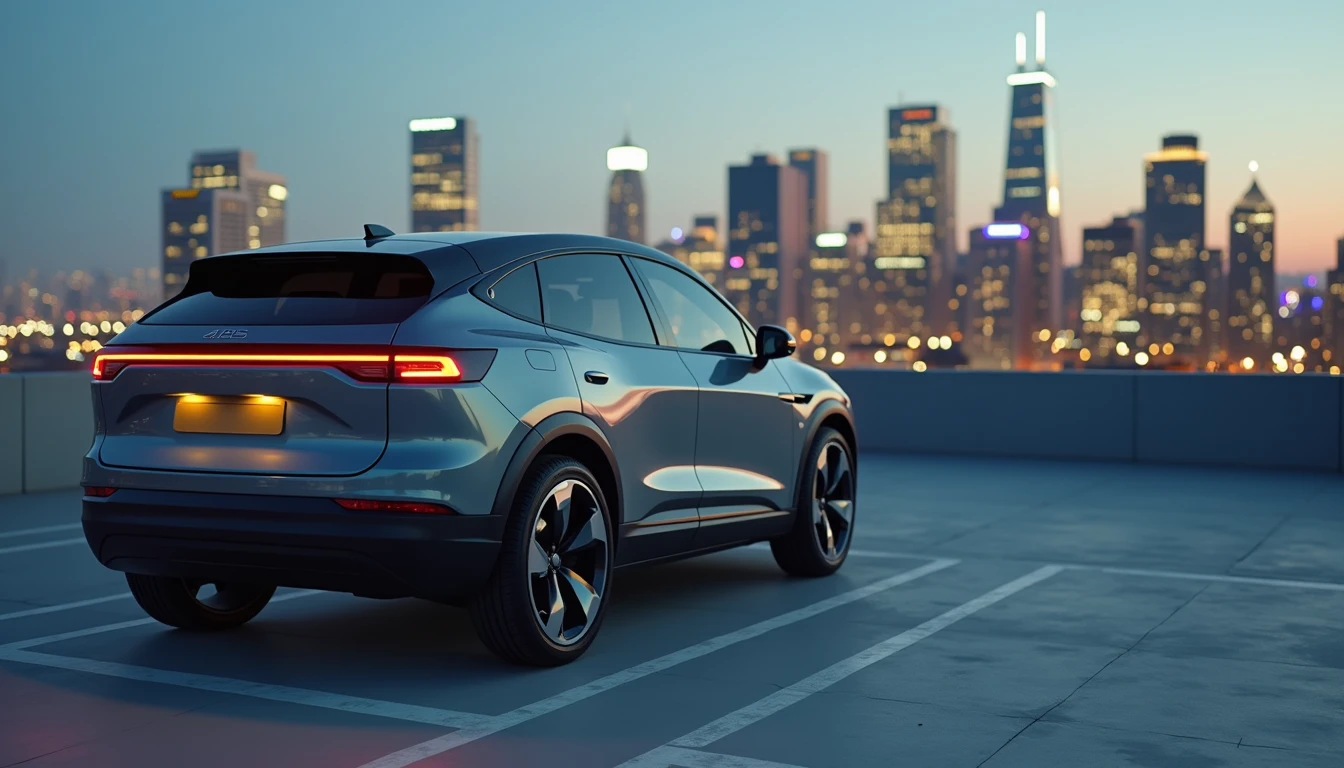
Rivian R2 Production Begins as Tesla Plots Micro Factories for FSD Retrofits
Rivian has officially kicked off production of the R2, marking a critical juncture for the EV startup as it aims to scale beyond its niche luxury offerings. Deliveries remain on track for later this spring, according to the latest reports emerging from the factory floor. It's a make-or-break volume play for the Illinois-based manufacturer, one that insiders are calling Rivian's "Tesla moment." While Rivian ramps up, legacy players and competitors are managing their own growing pains, from hardware retrofits to warranty extensions.
The assembly lines are moving, which is the only metric that matters right now. For an industry drowning in concepts and prototypes, seeing metal bent for customer units is the only news that counts. The R2 represents Rivian's push into the mainstream, a necessary step to stabilize finances and compete with the volume giants. Getting this production launch right is non-negotiable. Any stumble here isn't just a delay; it's a signal to investors that the scaling plan might be wishful thinking. But for now, the green light is on.
The Hardware Reality Check
While Rivian focuses on physical assembly, Tesla is confronting the limitations of its existing fleet. The company says it will need to build micro factories to retrofit old cars for Full Self-Driving (FSD). Millions of Teslas sold between 2019 and 2023 will not be able to achieve unsupervised Full Self-Driving without the hardware upgrade. This admission highlights the rapid obsolescence inherent in the current EV software race.
Think about the logistics for a second. Establishing micro factories specifically to rip out old computers and install new ones is a massive undertaking. It acknowledges that the hardware labeled as "FSD capable" during that four-year window isn't actually capable of the unsupervised vision the company is chasing. For owners of those models, this is a mixed bag. It means a path to upgrade exists, but it also confirms their vehicles were sold with incomplete capabilities for the promised feature set. It's a rare look behind the curtain at the physical constraints of software-defined vehicles.
Warranty Wars and New Entries
Elsewhere in the industry, trust is being managed through paperwork. Hyundai is upping its EV warranty over a common failure. While specific details on the failure mode weren't immediately detailed in the briefing, the move signals a recognition of quality control issues that need addressing to maintain consumer confidence. In the EV space, battery and powertrain reliability are the bedrock of resale value. When a major player extends coverage, it's often a preemptive strike against a known defect that could turn into a recall nightmare later.
On the commercial side, innovation is taking a different shape. The Humble Hauler is a cab-less autonomous truck with 200 miles of range. Removing the cab entirely changes the aerodynamics and weight distribution fundamentally, allowing for specialized logistics use cases where human presence isn't required. It's a niche approach, but one that makes sense for last-mile or yard operations where 200 miles is sufficient for a shift cycle.
Meanwhile, the small EV segment sees a revival. Smart's tiny two-door EV is back. The brand is leveraging its heritage of compact city cars to re-enter the conversation in an era where most new EVs are bloating into massive SUVs. There's still a market for a vehicle that can actually fit into a downtown parking spot without needing a sensor suite to tell you you're too close to the curb.
What This Means for the Market
The common thread across these updates is maturity. Rivian moving to production, Tesla acknowledging hardware limits, Hyundai adjusting warranties, and Smart returning to its roots—these aren't the moves of startups trying to hype a stock price. These are adjustments by companies dealing with the realities of manufacturing, ownership, and lifecycle management.
For the consumer, the Rivian R2 timeline is the most immediate action item. If you're holding a reservation, "later this spring" is the window to watch. For Tesla owners from the 2019 to 2023 model years, keep an eye on communications regarding the micro factory retrofit program. The industry is shifting from promising the future to fixing the present.
The EV transition isn't just about new cars anymore. It's about supporting the millions already on the road and ensuring the new ones actually get built. Rivian has started building. Now the pressure shifts to delivery logistics and quality control. The "Tesla moment" isn't just about production volume; it's about proving you can sustain it without burning cash or compromising the product. The assembly lines are running. Now we see if the supply chain can keep up.