
Tesla’s Robotaxi Rolls Out, Freight Goes Electric, and the Grid Gets a Stress Test
The electric vehicle transition just stopped being a passenger-car sidebar and became a full-scale infrastructure overhaul. Tesla’s two-seater Robotaxi has officially rolled off the production line in Texas, Hyundai just unveiled the all-electric Ioniq V as the first of 20 planned models for China, and a UK-backed fund is dropping $100 million into Australian truck operators to kill diesel dependence before it even starts. The message from Detroit to Shenzhen is clear: the industry is scaling past early adopters and into commercial logistics, grid management, and mainstream pricing wars.
The Commercial Pivot Hits the Pavement
Europe’s road freight sector is already at a turning point. Renewed energy price volatility and geopolitical friction have stripped away the last excuses for sticking with diesel. The solution isn’t just swapping engines; it’s restructuring how heavy vehicles interact with the power grid. A landmark pilot program deploying up to 150 EVs alongside a car-sharing network is proving that vehicle-to-grid technology can actually ease congestion, trim private car ownership, and absorb renewable energy when generation peaks. Pair that with a UK fund offering Australian truck operators a $100 million lifeline—covering both vehicles and charging infrastructure with zero upfront cost—and you’re looking at a freight corridor that’s actively rewriting its operational playbook. Commercial fleets don’t care about badge prestige. They care about total cost of ownership, uptime, and grid reliability. Funding models that remove capital barriers are what finally tip the scales.
Real-World Range vs. Grid Reality
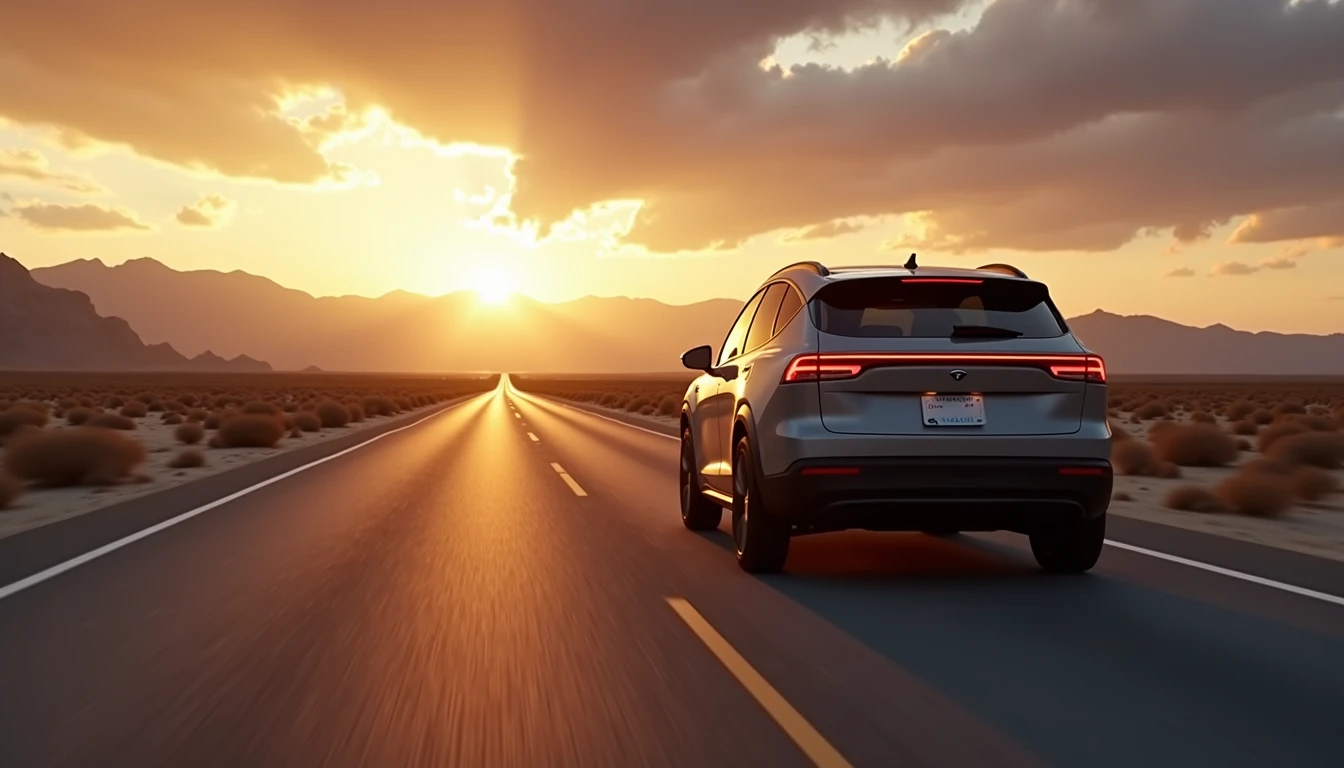
Passenger adoption is following a similar reality check. Tesla’s longest, most spacious EV just began deliveries in Australia, arriving a little over a month after orders opened, signaling that supply chains are finally stabilizing for premium segments. But long-distance travel still demands discipline. A 5,000 km Melbourne-to-Perth run across the Nullarbor Plain required more than 30 charging stops. The takeaway isn’t that EVs can’t do cross-country trips; it’s that route planning and charger reliability remain the difference between a smooth haul and a stranded nightmare. For drivers who refuse to micromanage their itinerary, the infrastructure gap is still measurable in hours. Grid congestion is the other side of that coin. The V2G pilot proves that when thousands of batteries plug in simultaneously during peak demand, they can either drain the network or stabilize it. The difference comes down to software, tariffs, and whether utilities are willing to treat parked cars as distributed power assets rather than anonymous loads.
Pricing, Policy, and the Long Game
On the affordability front, Suzuki is pricing its first Australian EV at $46,990 drive-away with a pre-order incentive. It’s a calculated entry point, positioning the compact electric offering just below the premium crossover threshold while forcing legacy brands to defend their entry-level pricing. Policy is moving at the same pace. The Australian Electric Vehicle Association is pushing a universal “mass times distance” levy that would apply to every road-going vehicle regardless of powertrain, while keeping the fuel excise intact to specifically tax pollution. It’s a pragmatic approach to road funding that acknowledges electric vehicles still wear down asphalt just like their combustion counterparts. Meanwhile, political validation is trickling in from unexpected places. One state Labor MP logged 75,000 km behind the wheel of an EV and claims he’s never been caught out, a statistic that quietly dismantles the old range anxiety talking points that still circulate in parliamentary committees.
The industry isn’t waiting for a single breakthrough moment. It’s building it in pieces: Robotaxis in Texas, Ioniq V assembly lines in China, freight corridors in Europe, and charging networks stretching across the Australian outback. The next phase won’t be won by marketing slogans. It’ll be won by grid integration, commercial funding models, and infrastructure that actually matches the distance between cities.