
Automakers keep piling into crowded segments — the smarter money is in the white space
Automakers love a dogpile. Pick a hot segment, watch every brand show up with roughly the same pitch, then act surprised when incentives start flowing like a broken fire hydrant. A new report argues there’s a better way to grow: stop chasing the busiest parts of the market and start hunting for “untapped spaces” — the niches where a powertrain, platform, or body style can still print money before everybody else arrives.
That’s the thesis coming out of an Automotive News report published April 23, 2026, as the industry tries to balance the EV transition with the still-very-real need to make profits today. When key segments get crowded, the report’s message is blunt: differentiation isn’t a branding exercise, it’s a product plan.
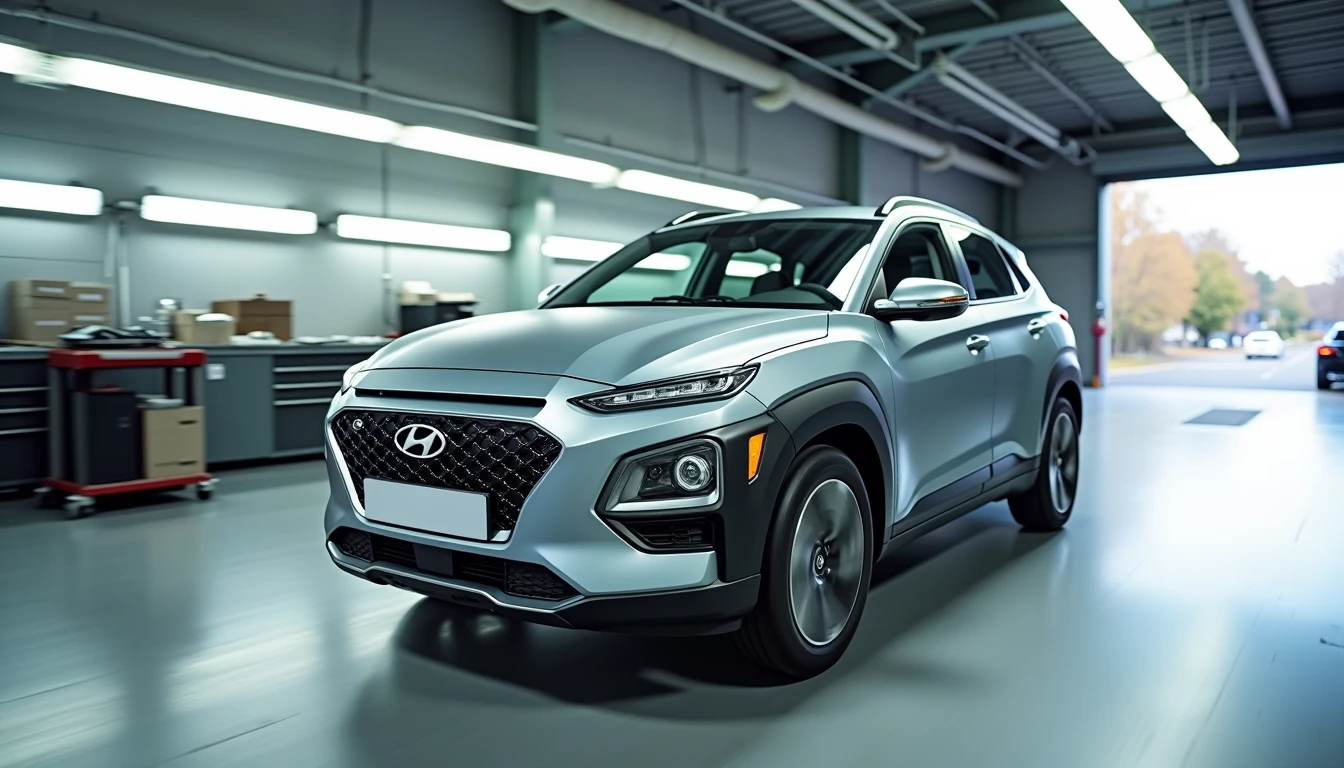
The example photo Automotive News chose says plenty without saying a word: Hyundai’s Ioniq 5 and Ioniq 9 electric crossovers built at Hyundai Motor Group’s Metaplant in Georgia. EV crossovers are the definition of “everybody’s here,” and the winners won’t be the ones that simply show up with another tall hatch and a tablet. They’ll be the ones that find the gaps others missed — or were too slow to take seriously.
“Crowded” isn’t a vibe — it’s a profit problem
When product planners flood the same few categories, the math turns ugly fast. You don’t need to be in a finance meeting to understand what happens next: more direct competitors, fewer real differentiators, and price pressure that travels downhill until it hits the only thing that can’t argue back — margins.
The report’s core point is that automakers can still grow, but they’ll need to do it by getting more surgical. Instead of throwing another entry into a jammed segment and hoping marketing can create magic, the play is to identify under-served use cases, customer groups, or powertrain applications where competition hasn’t fully formed yet.
In other words: if everyone’s selling the same story, you’d better find a different audience — or a different story that’s actually true.
The Georgia Metaplant image is doing a lot of work here
Hyundai’s Metaplant in Georgia building both the Ioniq 5 and Ioniq 9 is a tidy snapshot of where the industry is right now. The EV crossover is mainstream, the factory investment is real, and the competitive set is only getting denser.
That doesn’t mean Hyundai (or anyone else) is doomed in the category. It means the bar is higher. When the market is crowded, “competent” stops being a selling point and becomes table stakes. You need a reason to exist that goes beyond “we, too, have an electric crossover.”
This is where the report’s “untapped spaces” concept matters. For EVs especially, the product question can’t just be range and charging speed. It has to be: what job is the vehicle uniquely good at doing, and how hard is it for the next automaker to copy that in one product cycle?
What “untapped spaces” can look like (without pretending there’s a cheat code)
The Automotive News framing isn’t about some secret segment nobody’s thought of. It’s about recognizing that “niche” doesn’t have to mean “low volume” or “weird for weird’s sake.” Sometimes it’s as straightforward as a product that actually fits a real-world constraint other automakers ignore — packaging, cost of ownership, durability targets, fleet requirements, or a body style that’s fallen out of favor for reasons that aren’t customer-driven.
And it can be powertrain-specific. The report sits at the intersection of manufacturing and profitability, which matters because powertrains are where billions get spent and earned. EVs are pushing the industry toward common architectures, common supply chains, and increasingly common performance numbers. That’s efficient — and also a recipe for sameness if the product plan isn’t doing more than checking boxes.
The risk is obvious: when everyone targets the same “key segments,” you’re no longer competing on product advantage as much as on how long you can tolerate margin pain. For a business with high fixed costs and long development cycles, that’s a brutal way to live.
The bigger picture: EV transition or not, product strategy still decides who eats
The EV transition has forced automakers to spend like tech companies while still being judged like manufacturers. That tension makes the report’s argument feel less like a thought exercise and more like a survival guide: you can’t afford to build the same thing as everyone else, not when tooling, batteries, and factory investments are so expensive.
That also explains why “finding a niche” is being pitched as a growth strategy rather than a boutique side quest. If an automaker can claim a space early — and build it efficiently — it buys time and pricing power. Wait too long and you’re back in the dogpile, fighting for attention with features that are rapidly becoming commoditized.
None of this is anti-volume or anti-mainstream. It’s anti-copycat. If the category is already packed, being the tenth entrant with a slightly different front fascia isn’t innovation — it’s just an expensive way to learn what incentives feel like.