And it’s actually like five European vacations in one.
Perhaps you’ve heard the news: Europe is over tourists. The past few summers have seen several anti-tourism protests in heavily trafficked countries like Spain, Portugal, and Italy, all with the express purpose of making it clear that locals are sick of the issues created by overtourism, namely overcrowding, lack of affordable housing, and an ever-rising cost of living.
So what’s a Europe-loving American to do? Well, the good news is that there is at least one European country that is still welcoming tourists with open arms, and not only is it a pitch-perfect replacement for any European adventure you’ve been craving—it actually might be better.
Before I headed to Slovenia this past May, I was surprised by how many people didn’t seem to quite know where or even what Slovenia is. Some vaguely knew it was somewhere in Eastern Europe, maybe part of the former Yugoslavia? (yes to the latter, but as for the former, it considers itself Central Europe). A lot of people confused it with Slovakia (definitely not the same). A handful only heard of it because it’s where Melania Trump is from (also true, although someone keeps stealing the controversial statue of her in her hometown).
And what’s more, this diversity of landscapes is in a surprisingly small piece of land; Slovenia is about the size of New Jersey, which means you can easily travel throughout the country in a week, or even a long weekend, experiencing the lakes, the mountains, the city, the vineyards, and the sea, all in one trip. So seriously: who needs the rest of Europe?
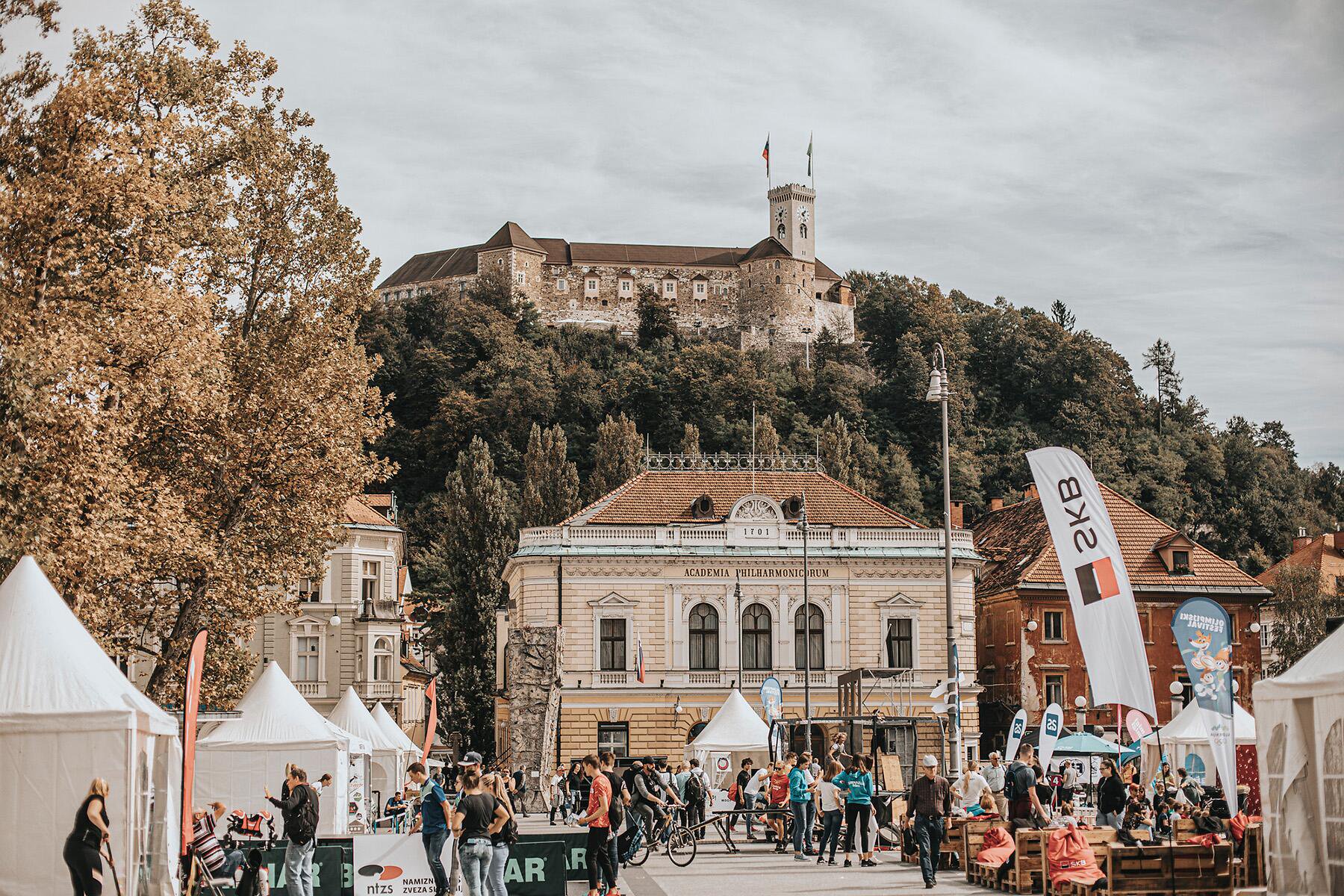
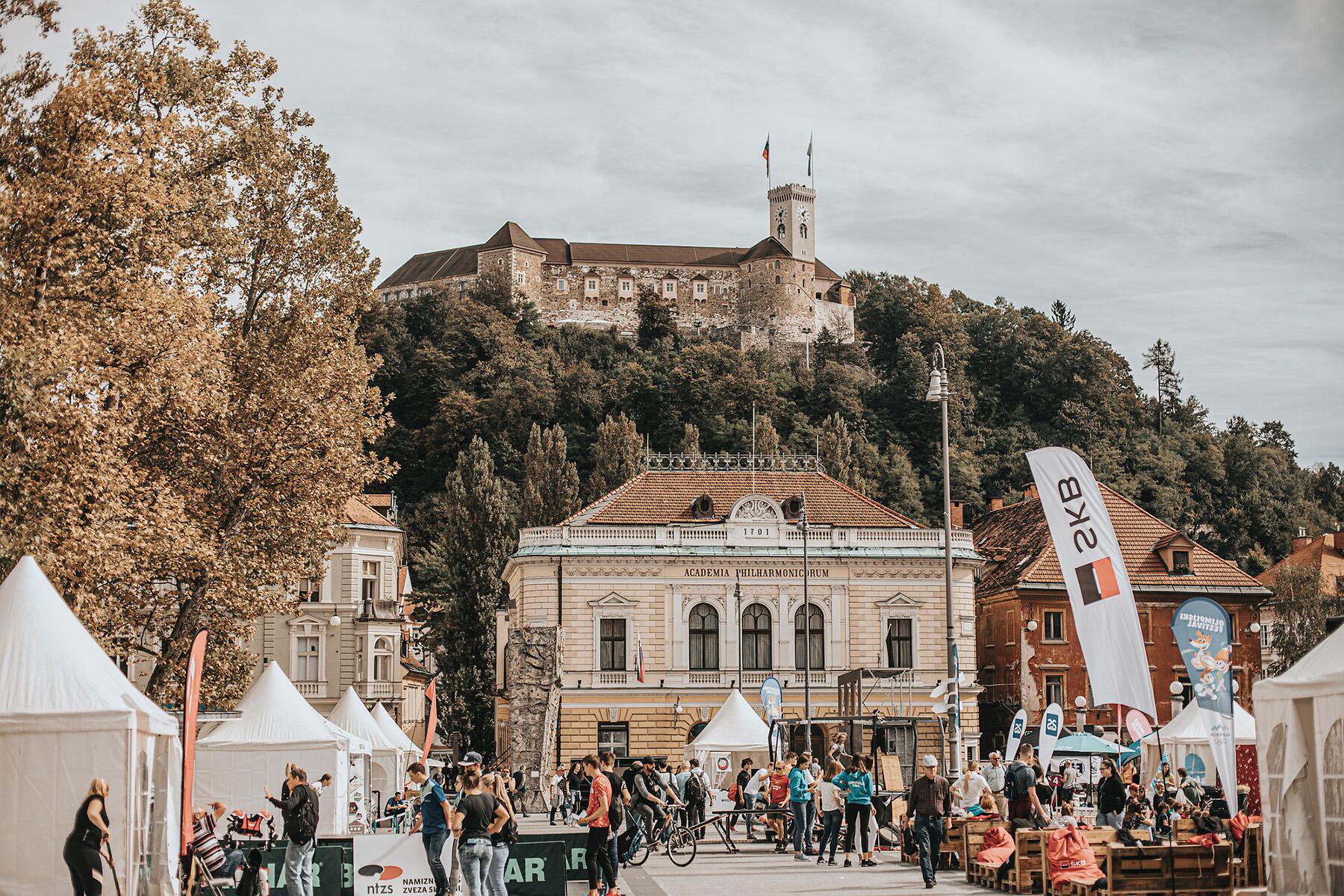
Located in the center of the country, the capital city of Ljubljana is all Old World charm with a surprisingly modern sense of sustainability. Walking through its historic cobblestone streets and over its imposing bridges (don’t miss the famous Dragon Bridge) will remind you of the effortless charm of many a European city, but Ljubljana lacks the crowds and the high prices of its neighbors. Just wandering the city is a delight: the Lubjianica River flows through the Old Town, an emerald green focal point and the perfect backdrop for the various riverside outdoor cafés and restaurants lining its banks. Grand Baroque buildings contrast with more modern and Neoclassical homes, while whimsically designed pillars, orbs, and obelisks keep you on your toes, anywhere you look.
Hovering over it all is the hilltop Ljubljana Castle (accessed via a tramway that grants aerial views of the city’s terracotta rooftops and spires that will inspire you to start playing the Game of Thrones theme song). Wander through the historic grounds of the early 16th century castle or better yet choose to explore its history through the “Time Machine” experience: a six-part tour that takes you through different parts of the castle to meet costumed interpreters representing different time periods, from Roman times through the lost mysteries of the Middle Ages (where legends of dragons flourished) to the castle’s time as an 18th-century prison. For an even more unique experience, choose the Culinary Time Machine, where you experience the same tour, but on each stop, you’ll be served a course of time-period-appropriate Slovenian food along with a wine pairing. You can also visit the Michelin-starred restaurant on the castle grounds, Restavracija Strelec, located in the Archer’s Tower.
And if you’re in the city on a Friday from mid-March through October, don’t miss the Open Kitchen food market, featuring over 50 stalls sourced from the best restaurants in Ljubljana. The impressively diverse offerings feature classic traditional Slovenian dishes along with (deep breath) Chinese rice noodles, Argentinean steak, bao buns, smash burgers, Spanish paella, Hungarian langoš, Indian thali, Thai curry, barbeque ribs, and many, many more (the aforementioned Restavracija Strelec from the castle even has a booth). There’s plenty of desserts and drinks too, making for a festive way to spend a Friday afternoon, surrounded by the best chefs and dishes in the city.
Mitja Kobal, Karata Film/Courtesy of Slovenian Tourist Board
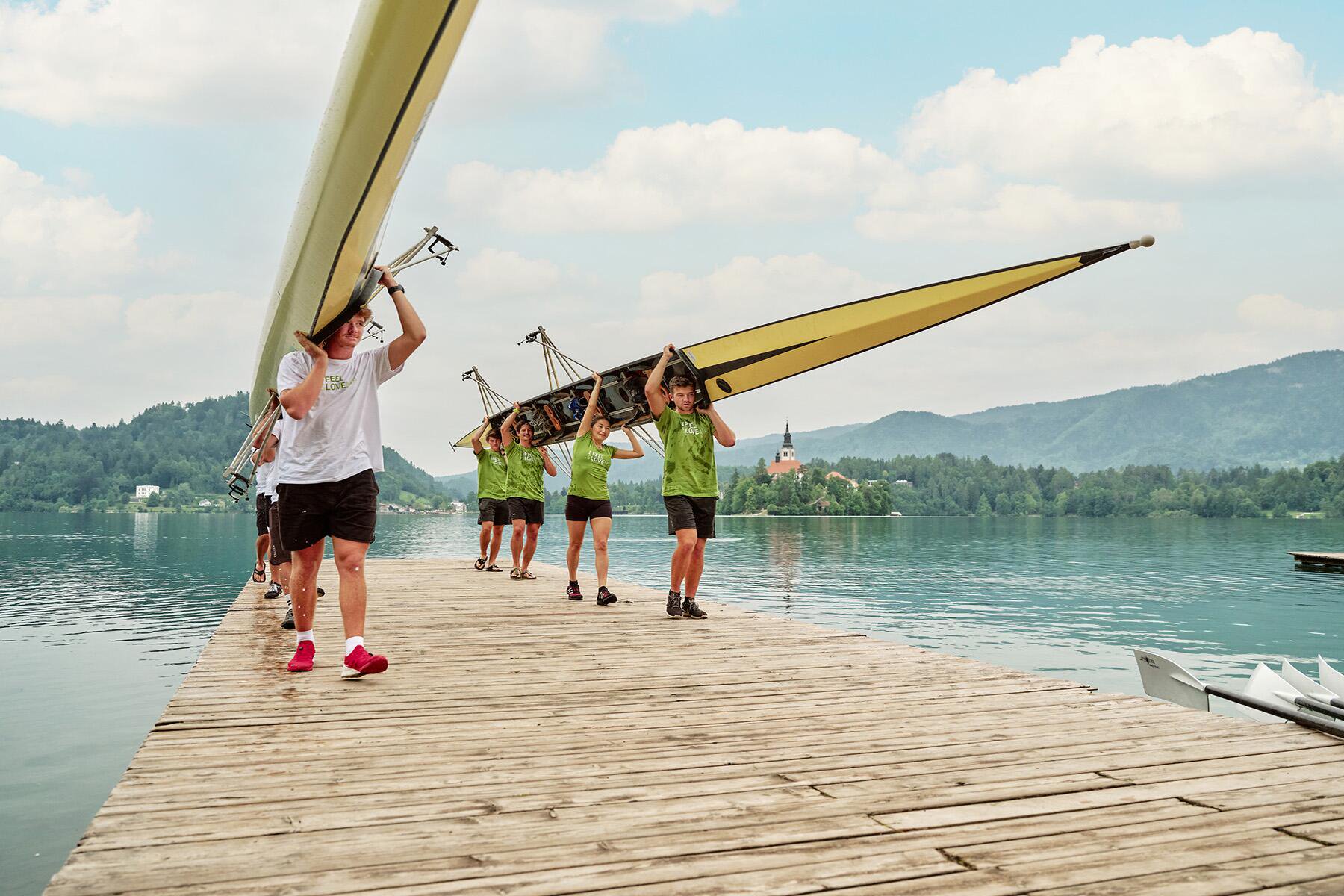
For that jaw-dropping Instagram shot, you’re going to want to check out Lake Bled. Probably the most well-known sight in Slovenia, Lake Bled is a dazzling aquamarine lake nestled beneath the Julian Alps. The view from virtually anywhere in the resort town of Bled feels downright storybook-esque, with sunshine glistening off the lake and bouncing off the surrounding forests. In classic Central European fashion, the medieval Bled Castle lords over it all (a visit to the castle is another must, as it affords perhaps the best views of the lake along with some fascinating Slovenian history). A promenade lets you walk around the lake (a full walk around would take at least a couple hours), but the best way to experience Lake Bled is to get onto it.
At the Rowing Center Bled, you can learn how to row a 55-foot-long boat with the expert guidance of former rowers from the Slovenian Olympic rowing team. You’ll learn the best techniques, first on an indoor rowing machine, and then you’ll take to the waters, eventually learning how to masterfully coordinate strokes while experiencing the magic of being in the middle of Lake Bled.
For a slightly less intensive experience, there’s always taking a ride on a pletna, a traditional covered boat; these frequently take visitors to the lake’s most picturesque feature, the tiny island in the middle of it, home to the splendid Cerkov svetega Martina (St. Martin’s Pilgrimage Church). The island is small enough to explore in an hour; be sure to visit the church to ring its bells, which are said to grant the ringer one wish.
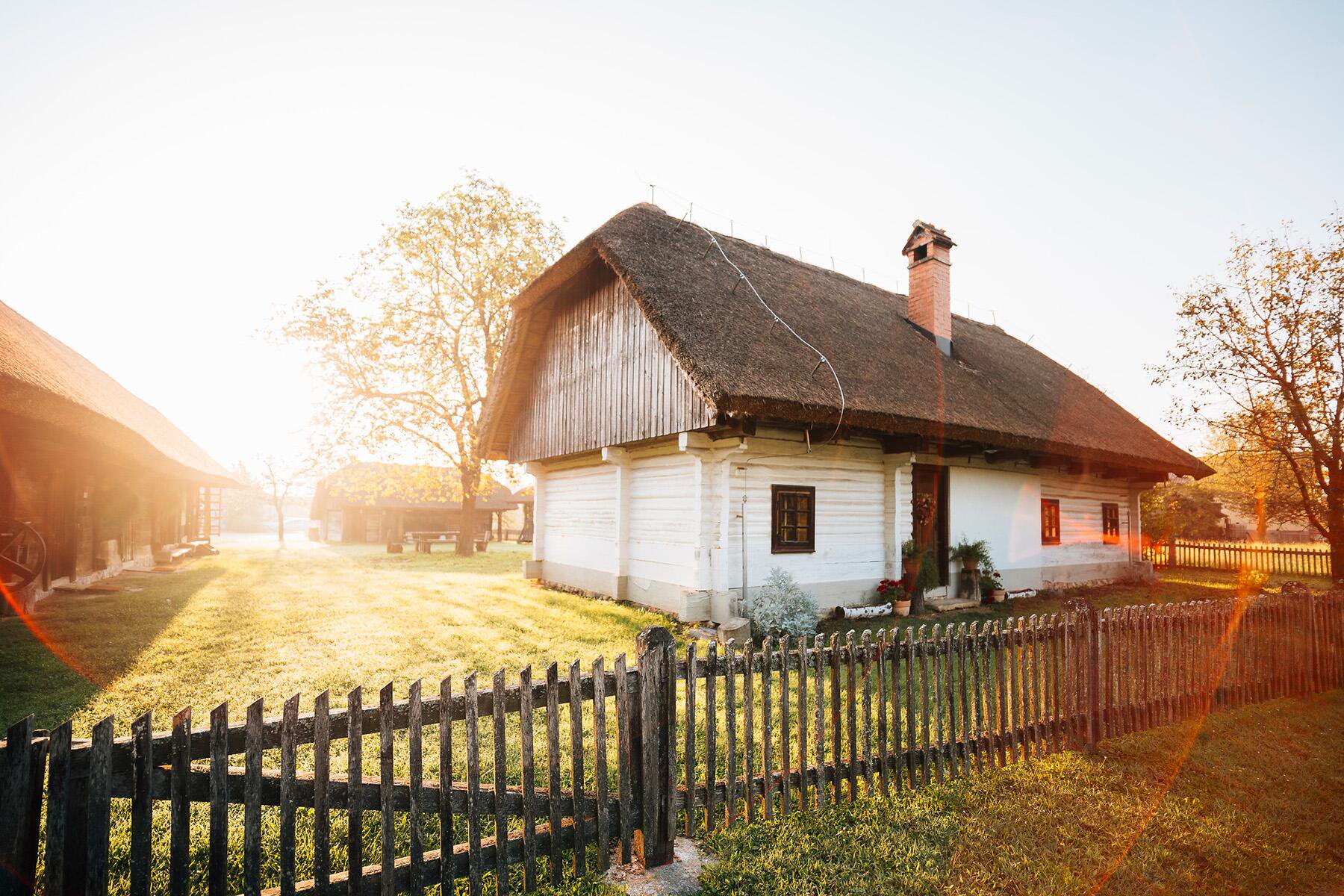
Outdoor adventurers will typically head to the popular Triglav National Park area of the country, just northwest of Ljubljana, an unspoiled region of breathtakingly beautiful mountains, alpine lakes, and fast-running rivers. Here you can ski, hike, raft, bike, and fish, but for even fewer crowds, head to its north-central reaches of the mountain town of Jezersko, close to the Austrian border. It is considered the first mountaineering town in Slovenia, and expert mountain climbers and hikers make the trek here to experience the beauty and climbing complexities of the Kamnik-Savinja Alps. Even if you’re not the outdoorsy type, the fresh mountain air and total peace and quiet are captivating enough. You can also visit local farms like Šenk’s Homestead to learn their centuries-old shepherding and crafting traditions (or even just feed the resident sheep their favorite snack, salt).
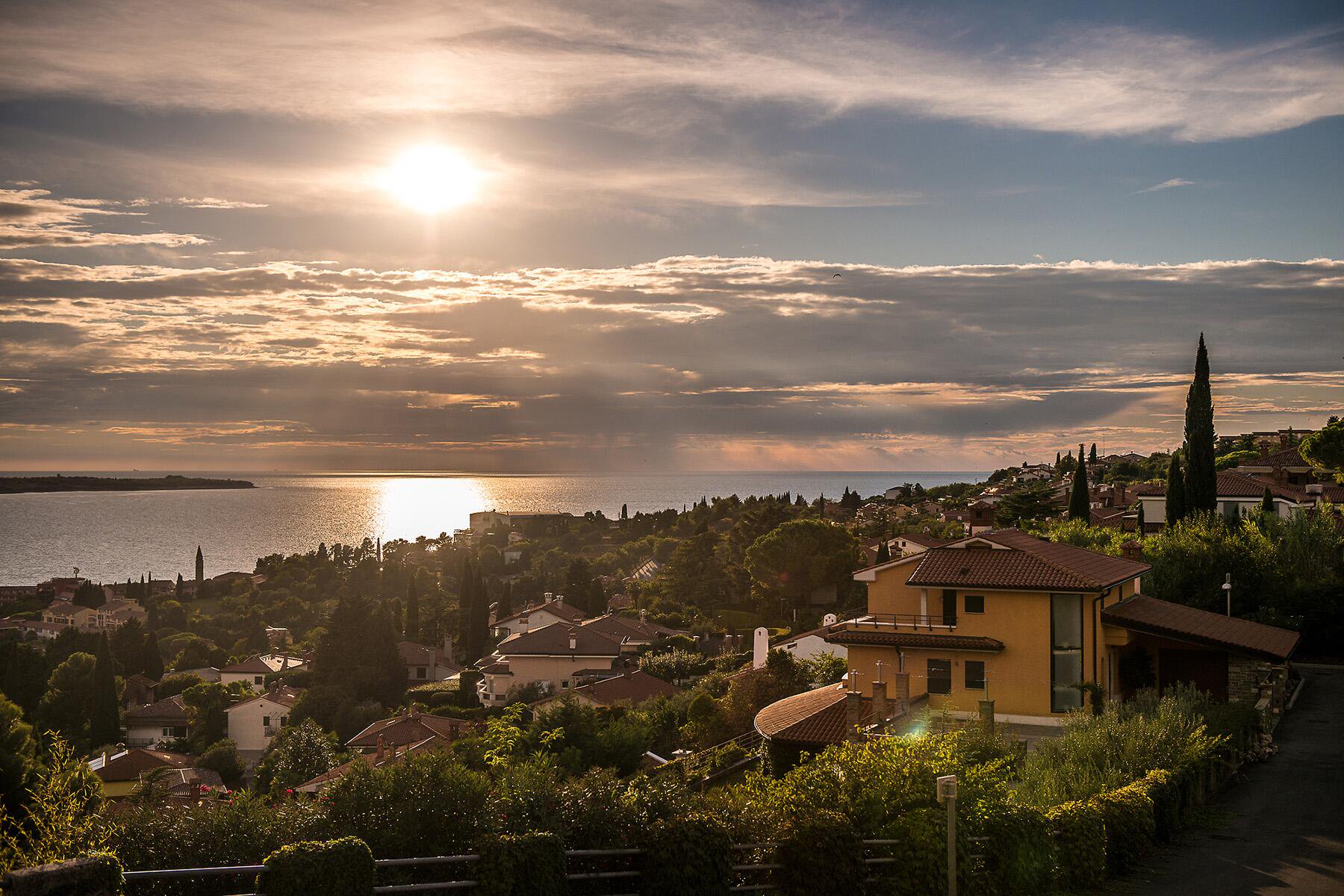
Neighboring Croatia gets all the love for being the place to experience the charms of the Adriatic Sea, but Slovenia has a small but mighty coastline. Backed by hills planted with olive groves and vineyards, the small strip is only 29 miles long, but features charming towns like Piran and Portorož that give off serious Italian vibes (this part of the country was under Venetian rule for centuries, and that influence still shows). Spend time lounging at beaches or taking to the sea via a boat trip, or just exploring the cobblestone streets of historic towns like Piran. You can even visit a local olive oil farm, like Lisjak, to learn about one of the region’s most cherished agricultural traditions and sample its products. No matter where you are on the coast, you’re bound to experience open-air restaurants on the waterfront serving fresh seafood and pasta with Istrian flavors (think truffles, grilled fish, and plenty of olive oil) and crisp Slovenian white wines.
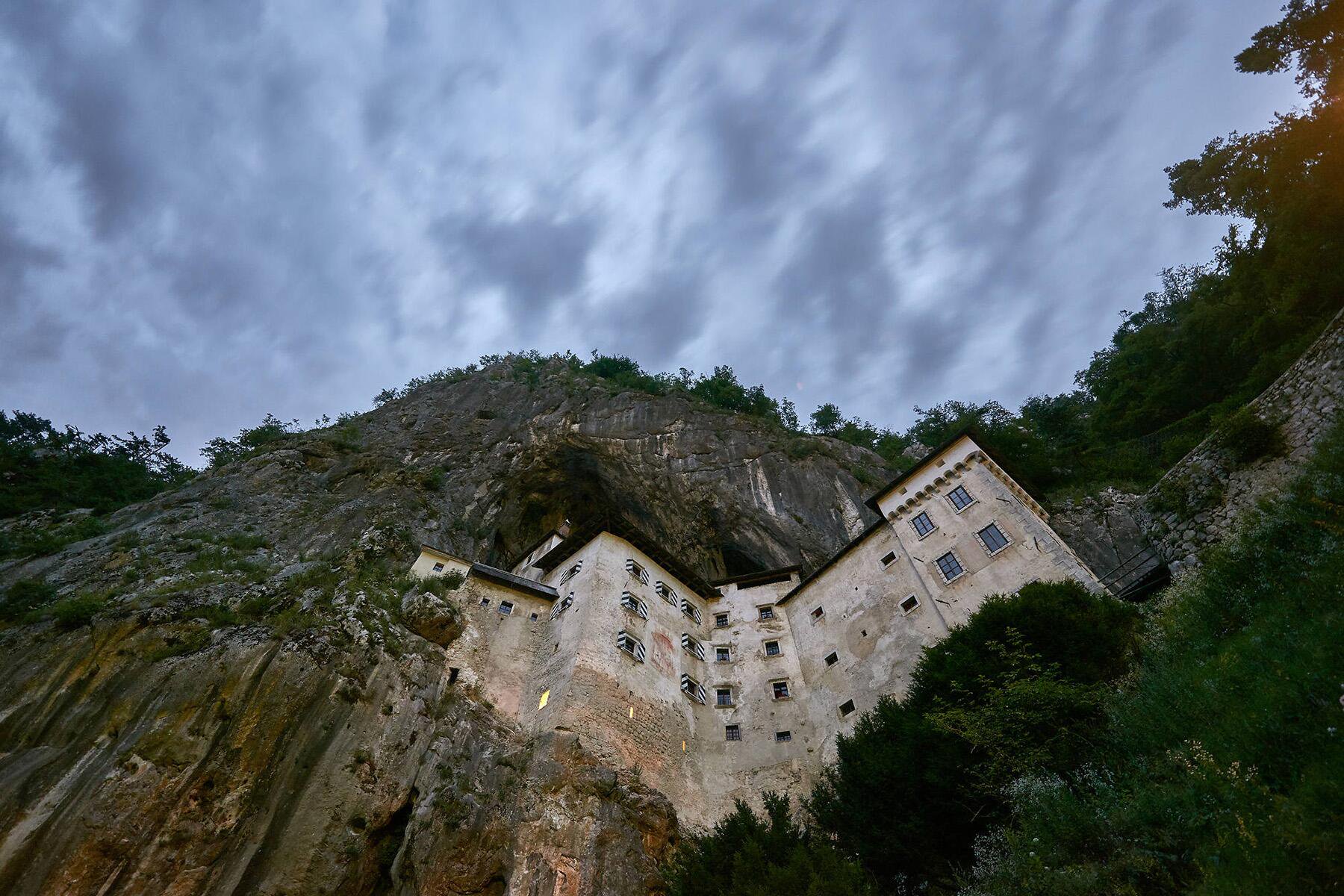
So many of Slovenia’s top experiences can be compared to other European destinations (Ljubljana instead of Dubrovnik, Piran instead of Amalfi, Lake Bled instead of Switzerland), but there’s one tourist experience where it remains unique: its impressive cave systems located in the Karst region. About 40 minutes southwest of Ljubljana, Postojnska Jama is one of the largest cave networks in the world, with 14 miles of underground passageways.
Your journey into darkness starts with a train ride that takes you 4½ miles into the cave system, where you’ll immediately be wowed with soaring ceilings of cathedral-like spires of stalactites and stalagmites. Upon exiting the train, you can walk on well-lit and well-marked paths through the rest of this strange underground world with its mix of otherworldly formations, including spaghetti ceilings. The caves are also home to eel-like olm, on view in an aquarium in the Great Hall. Eyeless and colorless because of countless millennia of life in total darkness, these amphibians can live for up to 60 years; when they were first discovered, they were thought to be baby dragons and, as you’ll see in the cave gift shop, this moniker has continued to be embraced.