The 1970 Chevelle holds a unique spot in muscle car history. It was the year Chevrolet finally put a 454 where the 396 used to fit, and it came with a sharper, more aggressive body that still turns heads. Here's what we know about this car today — and what you should check before you hand over cash. Whether you're a first-time buyer or a longtime fan, the details below will help you avoid the costly mistakes that haunt too many transactions.
A Redesign That Changed the Game
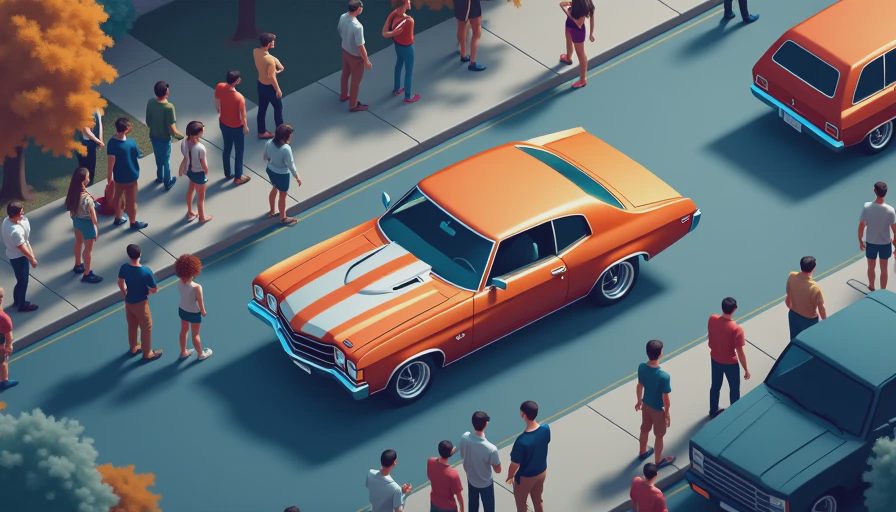
Chevrolet introduced the Chevelle back in 1964 as a mid-size family car. By 1970, it had grown into something much fiercer. The 1970 Chevelle arrived with a longer hood, a sleeker roofline, and a stance that looked fast even when parked. The SS package stopped being just a trim option and became a true performance model, and the big block 454 made its debut under the hood. For the 1970 Chevelle, Chevy offered everything from a base 250-cubic-inch inline-six to the legendary LS6 454, which carried a factory rating of 450 horsepower. That LS6 is the one collectors chase, but the smaller engines are the ones that actually moved the volume. The body change was a big deal at the time, and it still defines the car's visual identity today.
What to Inspect Before You Buy
These cars are old enough that rust is the first problem. A unibody design means the rear frame rails, trunk floor, rockers, and lower quarter panels are the usual failure points. Pull the carpet and look at the firewall. Check the cowl for water damage. If the seller won't let you put it on a lift, walk away. The mechanical parts are easier to find than sheet metal, and that's the real budget killer. Even a rough 1970 Chevelle can need $10,000 or more in metal work if the rust has spread to the frame. Get the VIN and trim tag decoded so you know what you're actually looking at. A car with a clean body but a tired engine is a better starting point than the reverse. Bring a magnet and a flashlight, and don't trust a fresh undercoating to hide anything.
Engines, Options, and the Ones Worth Paying For
Engine choice drives value more than anything else. A base 1970 Chevelle with a six-cylinder is a budget car, and a 307 V8 doesn't add much drama. The small-block 350 is the all-around pick for a driver. The money is in the big blocks: the SS396 (actually a 402) and the SS454. The LS5 454 cranked out 360 horsepower, while the LS6 version made 450 and came with a heavy-duty suspension, a 12-bolt rear axle, and a cowl induction hood as part of the package. Chevrolet only built a few thousand LS6 cars, and they bring serious money today. A four-speed car will always outprice an automatic, all else being equal. Air conditioning is a nice-to-have, but it doesn't add much value. Power windows and power steering matter more to comfort than to collectibility.
Prices in the Current Market
This is where the conversation gets real. A driver-quality car with a small block runs anywhere from $25,000 to $40,000 in the current market. A numbers-matching SS396 can go for $50,000 to $75,000. An LS6 454, especially a convertible or a well-optioned hardtop, can cross six figures at auction. Prices for the 1970 Chevelle have held steady over the past few years, even as the broader collector market cooled. That's a good sign if you're buying — and a good reason to buy the best example you can afford. Low-mileage cars with documented history sit at the top of the market, while project cars with rust issues sit at the bottom. The spread between a clean car and a fixer is wider than it's ever been, which means you pay for condition upfront or you pay for it later in restoration bills.

Common Pitfalls and How to Avoid Them
Rust is the obvious one, but there are others. Check the quarter panels for bondo and bad patch panels. Look at the door gaps — if they're uneven, the car may have been hit. A 1970 Chevelle with matching numbers is worth more, but many cars have been rebuilt or swapped. The biggest mistake buyers make is paying for an SS badge without the paperwork. Get the VIN, cowl tag, and any build sheets. If the car was converted to a 454, that's a downgrade in value, even if it's faster. Don't fall for a fresh paint job covering bad metal.
The parts market for these cars is deep. Reproduction sheet metal, trim, and interior pieces are all available from multiple suppliers. You can build a 1970 Chevelle from a catalog, but that doesn't mean you should pay for originality you aren't getting. A smart buyer budgets for a professional inspection. If you're not comfortable crawling under a car, pay a classic car shop a few hundred dollars to go through it. That's cheap insurance on a purchase that can easily reach six figures.
The Bottom Line: Should You Buy One?
Here's what we know — and here's what we don't. The 1970 Chevelle is a legitimate collector car with a strong following, an endless parts supply, and a place in every muscle car conversation. It's also old enough to be a project. If you want a weekend cruiser, a production 350 car with a clean body is a better buy than a tired SS clone. If you're chasing the LS6, budget for a six-figure purchase and a careful inspection. The 1970 Chevelle remains one of the most rewarding classic car buys there is. Start with the body, verify the numbers, and you'll do fine.



Travellers Write
No letters yet — be the first traveller to write.