The 2025 BMW X5 arrives with a familiar recipe: a turbocharged inline-six in the xDrive40i, a plug-in hybrid in the xDrive50e, and a cabin that still sets the benchmark for this segment. But before you sign anything, understand one thing: this SUV costs more to insure than most crossovers on the road. We ran the numbers, and here is what we know, and what we don't. The refresh is conservative, but the insurance implications aren't.
What Changed for the 2025 Model Year
The X5's 2025 refresh is a mild one, which is BMW's way of saying don't fix what isn't broken. The xDrive40i still uses a 3.0-liter turbocharged inline-six with a 48-volt mild-hybrid assist. The xDrive50e pairs a turbo six with an electric motor for enough grunt to hit 60 in around 4.6 seconds. On top is the X5 M Competition, which keeps the 4.4-liter V8 and makes over 600 horsepower. Inside, the curved display now runs the latest iDrive software, which means fewer buttons and more voice controls. It looks sharp in the showroom and works well in daily driving, but it's a single expensive part if it cracks.
Which 2025 BMW X5 Trims Move the Needle
If you're shopping insurance, the trim matters as much as the model. The 40i is the cheapest to cover, but cheap is relative when the average annual premium for a vehicle in this class sits around $2,600. The 50e plug-in hybrid can earn small green-car discounts from some insurers, but the battery pack adds cost to the comprehensive side of the policy. Then there's the X5 M Competition, which pushes premiums hard. High horsepower, expensive body panels, and a bigger repair bill after a fender bender all show up in the rate. Three numbers that explain what's happening: the 40i's parts list is pricey, the 50e's battery is pricey, and the M's performance stats are pricey.
Why Insurance Rates on the X5 Run High
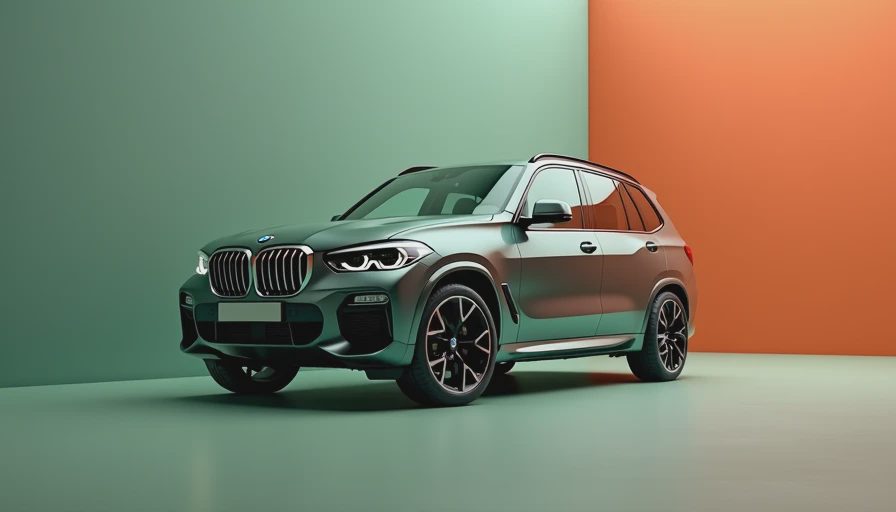
Let's be blunt: the 2025 BMW X5 is expensive to repair, easy to steal, and likely to generate higher claims than the crossover parked next to it in the driveway. Insurers don't care about the badge. They care about loss ratios. A luxury SUV that starts above $65,000 and uses aluminum body panels will produce bigger payouts than a $35,000 family hauler. BMW's parts pricing is steep. A single LED headlight can run over $1,500, and the curved display is one integrated unit that costs over $2,000 to replace. Collision coverage on this vehicle has to account for that. So does comprehensive coverage, because the X5 appears regularly on theft reports.
Safety Tech That Cuts Your Premium
Insurers give credit for safety equipment that is proven to reduce claims. The 2025 BMW X5 comes standard with forward collision warning, automatic emergency braking, lane departure warning, and blind-spot monitoring. That's not a differentiator anymore; even a $30,000 Honda has it. What moves the needle is the optional Driving Assistance Professional package. It adds adaptive cruise control with lane centering, traffic sign recognition, and a hands-free mode on divided highways. Many major carriers factor this kind of equipment into their rating. An X5 with that package can shave a few percentage points off the premium compared with a similar car without it. If you're ordering new, keep that box checked.
What a Real-World Quote Looks Like
Let's give you numbers you can actually use. For a 45-year-old driver with a clean record in Michigan, a 2025 BMW X5 xDrive40i with the standard safety package and a $500 deductible typically lands between $2,400 and $3,000 per year for full coverage. Move down to a $250 deductible and add about $300. Step up to the X5 M Competition and the same driver can see quotes past $4,000 a year. The 50e sits in the middle, but the high-voltage battery pushes comprehensive rates up. These are ballpark ranges, not quotes from one carrier, but they match the spread we've seen across multiple insurers over the past several months.

How to Lower Your X5 Insurance Costs
You don't have to accept the first number. Start by raising the deductible from $500 to $1,000; that alone can cut the premium by 10 to 15 percent. Bundle the X5 with a homeowners or renters policy and expect another 5 to 10 percent off. Take a defensive driving course if your state approves it; some carriers give a modest credit. Pay the policy in full every six months to avoid installment fees, which add up to $5 to $10 a month. And shop around at every renewal, because rates on German luxury SUVs move more than they do on average cars. The X5 rewards loyalty to the brand, not to the insurance company.
Bottom Line
The 2025 BMW X5 is still the SUV to beat if you want a genuine blend of sporty handling and luxury ride comfort. It is not the car to buy on a thin budget, because the insurance math is real and persistent. But if you choose the right trim, add the driver assistance package, take a higher deductible, bundle your policies, and compare quotes, you can keep the insurance bill from becoming the whole story. Here's what we know: the X5 is a great car. Here's what we don't: whether you'll love it as much after the first renewal notice.



Travellers Write
No letters yet — be the first traveller to write.