NHTSA puts the 2026 Tesla Model Y in the ADAS winner’s circle — and wants you to report the stuff it misses
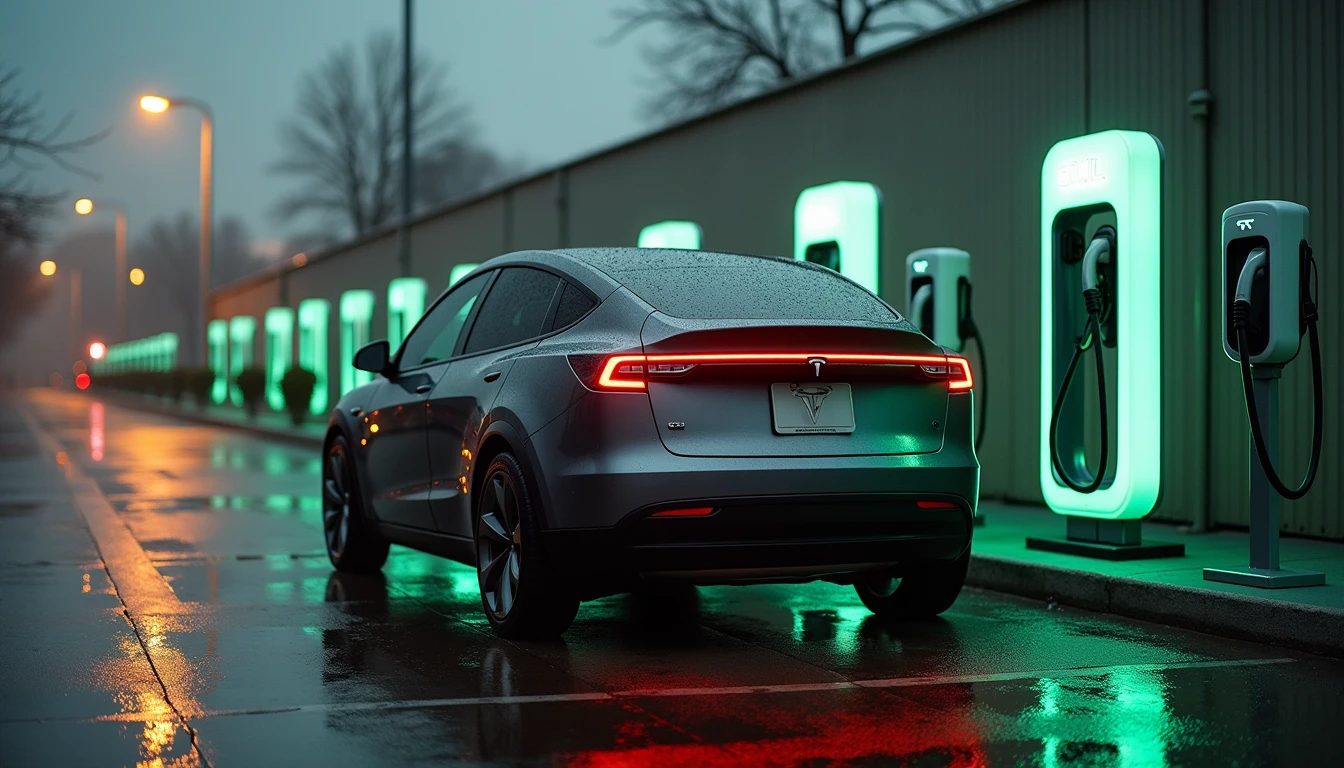
If you drive a Tesla — or you just like watching the industry scoreboard — here’s the headline: the 2026 Tesla Model Y is the first vehicle model to pass NHTSA’s new “Advanced Driver Assistance System” tests. That’s a notable milestone for a mainstream EV that’s already everywhere, and it’s a clear signal that the feds are getting more serious about putting driver-assist features on the kind of public, apples-to-apples exam buyers can understand.
At the same time, NHTSA is reminding owners of every brand that the agency’s safety net still depends heavily on real-world feedback. If you’ve experienced what you think is a safety defect involving a vehicle, tire, car seat, or equipment, NHTSA wants you to file a complaint so it can review it.
This is the push-pull of modern car safety in 2026: more automated assistance, more standardized evaluation, and a growing expectation that consumers report problems early — before the next “Briefing Room” update becomes an unpleasant surprise.
What Model Y’s ADAS pass actually tells us
NHTSA doesn’t hand out style points. When it says the 2026 Tesla Model Y is the first vehicle model to pass its new advanced driver assistance system tests, it’s highlighting a specific threshold: the vehicle met the agency’s requirements under this new test program.
The key word is “new.” The auto industry has spent years shipping increasingly capable driver-assist suites — but with a messy mix of marketing names, feature sets, and driver expectations. NHTSA formalizing an ADAS test program is the agency trying to bring order to that chaos, and Tesla getting the first “pass” plants a flag that will get noticed across engineering departments from Detroit to Stuttgart.
For enthusiasts, the practical takeaway is less about bragging rights and more about baseline credibility. Passing a federal test doesn’t make a system perfect, and it definitely doesn’t mean a driver can mentally check out. But it does mean the government is starting to grade the technology category, not just the crash structure around it. That’s a big shift in emphasis — because the next frontier of road safety isn’t only what happens when you hit something. It’s how often the car helps you avoid the hit in the first place.
NHTSA’s other message: complain early, complain often (seriously)
Right next to that ADAS news, NHTSA’s site is blunt about what it wants from the public: if you’ve experienced a safety issue that could be a defect — involving a vehicle, tire, car seat, or equipment — you can file a complaint and the agency will review it.
That matters because recalls don’t materialize out of thin air. They usually start as patterns: reports, warranty data, field investigations, and sometimes crashes. Consumer complaints can be the first visible thread.
And NHTSA is clearly trying to lower the friction. The agency is actively pointing people toward the “Report a Safety Problem” pathway, and it’s also promoting tools like downloading the SaferCar app and signing up for email alerts. Translation: if you’re the type of owner who actually reads TSBs and keeps a battery tender on the shelf, NHTSA is telling you there’s an official channel for the “this doesn’t feel right” moments.
The safety backdrop is still ugly
NHTSA also isn’t shy about the stakes. The agency says 39,254 lives were lost on U.S. roads in 2024. It lists 11,904 drunk-driving fatalities and 11,288 speeding-related traffic deaths.
Those aren’t abstract numbers. They’re the context for why NHTSA is simultaneously pushing seat belt messaging (“Click It or Ticket”), reminding drivers to share the road with motorcyclists, and rolling out new evaluation frameworks for driver assistance.
In other words: while the internet argues about whose software is best, the real world is still dealing with impairment, speed, distraction, and bad decisions. ADAS can help around the edges — sometimes more than that — but it’s being deployed into a national driving environment that is still brutally unforgiving.
What owners should do right now
If you’re a 2026 Model Y owner, the immediate action item isn’t celebratory. It’s the same boring advice that actually keeps you out of trouble: know what your driver-assist features do, and more importantly what they don’t do, and keep your attention where it belongs.
And if you’re dealing with an apparent safety issue — on a Tesla or anything else — don’t just vent about it in a forum thread and call it a day. NHTSA is explicitly asking you to file a complaint so it can be reviewed. That’s how defects become data, and data becomes action.
Finally, if you’re the type who wants to stay ahead of recalls, NHTSA is pointing to its recall-checking tools and alerts. In 2026, ignoring safety updates isn’t old-school cool; it’s just lazy ownership.