Age and Weight for Booster Seat: What Parents Should Check Before Skipping the Harness
The age and weight for booster seat question comes up when a child is too big for the harness but not quite ready for an adult belt. Here's what we know — and here's what we don't: a birthday alone does not make the seat belt fit. In most cars, the real test is whether the lap belt stays low on the thighs and the shoulder belt crosses the chest, not the neck. For many families, that means staying in a booster longer than they expected, usually until a child is around 4 feet 9 inches tall. A decent booster runs about $20 to $150, which is cheap compared with the price of getting it wrong.
Why the age and weight for booster seat rule is not the whole story
Most state laws give parents a floor, not a finish line. That is a useful distinction. A child can be old enough under the law and still slide around in a belt that does not fit. Safety groups generally point to the back seat for younger children and to proper belt fit before an adult belt alone. The reason is simple: the belt was built for a larger body. If the lap belt rides on the stomach, the belt can load soft tissue in a crash. If the shoulder belt cuts across the neck, kids do what kids do and start leaning out of it. The result is a setup that passes a casual glance and fails the real test. Brands such as Graco, Britax, Chicco and Diono all sell boosters in the mainstream price range, but the brand on the box matters less than the fit in your car.
The age and weight for booster seat benchmark most families use
The cleanest benchmark is usually height, with weight as the seat maker's minimum. The number that comes up most often is 4 feet 9 inches, and many kids do not fit that mark until somewhere between ages 8 and 12. That is not a law of physics; it is a reminder that a booster is there to lift the body into the belt path the car already has. Some high-back boosters start around 30 to 40 pounds, while backless versions often carry similar minimums but work best once a child can sit upright without drifting sideways or sliding down. If the child is barely meeting the lower end of the chart, the seat may technically be allowed but still be a poor fit. Read the car seat label, the vehicle manual and the state rule in that order. The internet is useful, but it has never seen the back seat of your crossover.
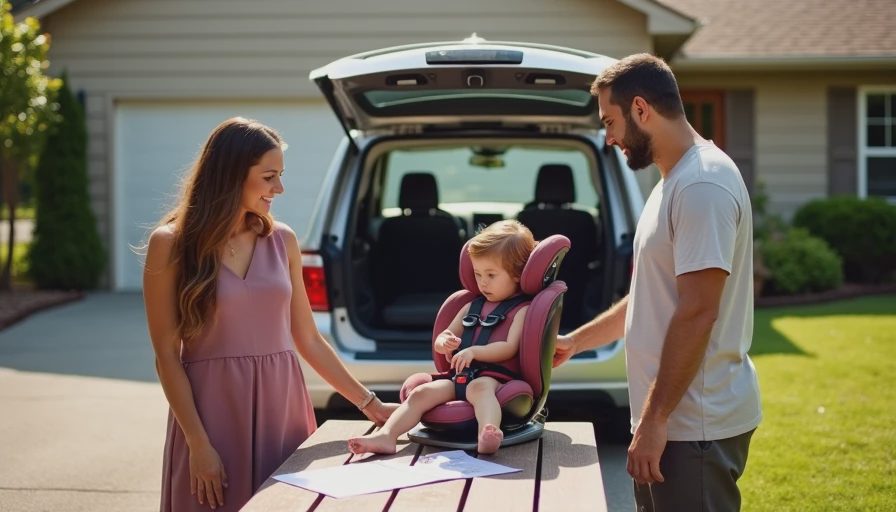
How to tell when the belt fits without guesswork
This part takes five minutes and saves a lot of bad assumptions. Put the child all the way back against the booster and the seatback. The lap belt should sit low and snug across the upper thighs, not the soft part of the stomach. The shoulder belt should cross the middle of the chest and rest on the shoulder, not the neck and not under the arm. The child should be able to sit that way for the whole trip without slouching, twisting, or pulling the shoulder belt behind the back. If the answer is no, the booster stays in the car. A high-back model can help in vehicles with short seatbacks or no adjustable head restraints. A backless model can work in a taller vehicle when the belt fit is solid and the child is old enough to hold position. There is no medal for ditching the booster a month early. The only score that matters is whether the belt lands where it should.
Common mistakes that make the back seat less safe
The biggest mistake is moving to an adult seat belt because the child looks tall enough in a parking lot. Tall in sneakers is not the same thing as properly restrained at highway speed. Another mistake is assuming a bigger SUV automatically solves the problem. Rear seat geometry varies more than most buyers expect, and the middle seat is not always the best seat if the belt path is awkward or the head restraint is missing. Some boosters also come with lower anchors to keep the seat from becoming a flying object when empty, but those anchors do not restrain the child; the vehicle belt does that job. That detail still seems to surprise people who buy one seat and never read the manual again. Replace a seat after a moderate or severe crash, and follow the manufacturer if the crash was minor. If you are shopping, mainstream models from Graco, Britax, Chicco and Diono usually run from about $40 to $200 depending on height support and belt guides. The cheap seat is not the bargain if it does not fit the car.
What to do when a child is between stages
If the child is right on the edge, do not force the switch just to check a box. Keep the harness longer if the child still slouches in a booster, if the vehicle has poor belt geometry, or if the trip is long enough that fatigue will turn good posture into a moving target. A lot of parents discover that the booster works fine for a short ride to school and falls apart on a two-hour highway run. That is not a reason to panic; it is a sign the child is not ready for that seat in that car. Try the setup in the actual vehicle, not just in the store aisle. If you are changing cars too, pay attention to rear-seat head restraints, belt height, and how easy it is to buckle without leaning. That is also a decent time to compare family-auto quotes, because the safest setup in the world does not help much if the policy is a mess. The clean answer to the age and weight for booster seat question is simple enough: fit first, age second, and the manual before the guesswork.



Travellers Write
No letters yet — be the first traveller to write.