
If you're sorting through **car recall vs safety alert** notices, the short version is this: a recall usually means the automaker must fix a safety-related defect, while a safety alert is often a broader warning that tells drivers to pay attention and take action if needed. That distinction matters because one can lead to a free repair campaign, while the other may point to a developing issue, a stop-drive warning, or guidance from NHTSA or the manufacturer. Here's what we know — and here's what we don't: not every alert becomes a recall, but every serious alert deserves a close look.
What a recall actually means
A vehicle recall is the formal one. In the U.S., recalls are typically filed with the National Highway Traffic Safety Administration when a manufacturer finds a safety-related defect or a vehicle doesn't meet a federal motor vehicle safety standard. Think faulty airbags, fuel leaks, brake problems, or software that can disable a rearview camera. Once that happens, the automaker is generally required to notify owners and provide a remedy at no charge.
That's the practical answer in the **car recall vs safety alert** debate: a recall has a defined repair path. Owners get letters, VIN lookup tools get updated, dealers receive repair instructions, and parts are allocated when available. Sometimes the fix is immediate. Sometimes the manufacturer admits the problem before it has enough replacement parts, which is less satisfying if you're the one driving the affected vehicle.
A recall also sticks with the vehicle history until it's completed. If you're shopping used, an open recall should be a bright yellow flag. Not always a deal-breaker, but certainly not something to shrug off.

What a safety alert means in plain English
A safety alert is more flexible and, frankly, more confusing. It can come from NHTSA, an automaker, or another official channel, and it doesn't always mean a formal recall has been launched. Sometimes it's an early warning about a trend under investigation. Sometimes it's a stop-drive or park-outside advisory tied to fire risk. Sometimes it's a consumer-facing message telling owners to watch for symptoms like smoke, loss of power steering assist, or a hood that may unlatch.
Reading between the lines of the press release, a safety alert is often the industry's way of saying: we see a possible hazard, we're not done sorting it out, and you should not ignore this. In **car recall vs safety alert** terms, the alert can be the first signal before a recall expands or becomes official.
This is why informed drivers should never dismiss an alert as PR noise. If an automaker says do not charge the vehicle indoors, park outside, or stop driving until inspection, that's not routine housekeeping. That's the kind of language that moves markets, rattles dealers, and should get your attention the same day.
The biggest differences for drivers and shoppers
For most people, the real-world difference comes down to obligation, timing, and cost. A recall generally triggers a free repair. A safety alert may not. It may advise caution, recommend a dealer inspection, or tell you to monitor the situation while engineers and regulators keep digging.
Three numbers that explain what's happening: zero dollars for a completed recall remedy, one VIN search on NHTSA's database, and several days or weeks of uncertainty if the issue is still under review. That's why **car recall vs safety alert** matters so much when you're deciding whether to keep driving, buy a used vehicle, or delay a road trip.
If you're shopping from CarMax, Carvana, a franchise dealer, or a private seller, ask for the VIN and run it yourself. Dealers may address open recalls before sale, but don't assume every unit on a lot is fully closed out. On a private-party deal, that five-minute search can save you from inheriting a problem you didn't price in.
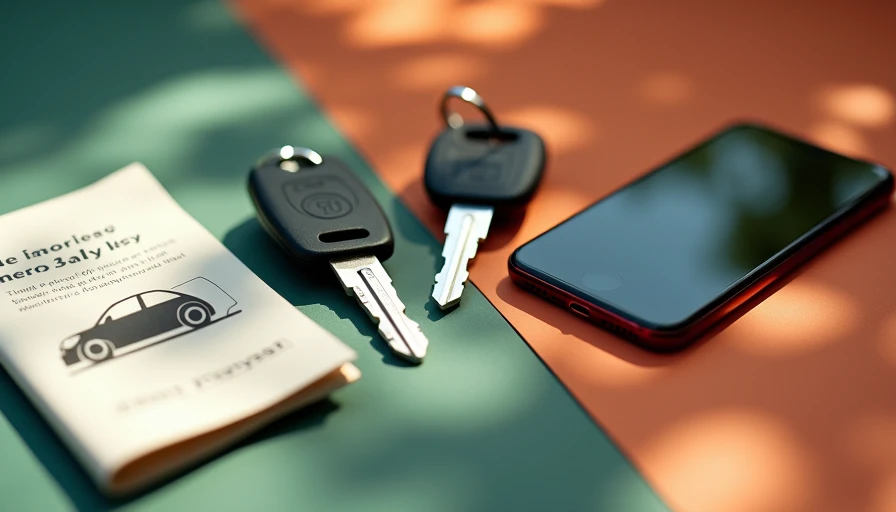
What to do when you get either notice
Start with the VIN. Use NHTSA's recall lookup tool and then check the manufacturer's owner site. If it's a formal recall, book the repair as soon as parts are available. If it's a safety alert, read every line, especially the verbs: inspect, park outside, stop driving, limit charging, or contact a dealer. Those instructions are the story.
Next, document everything. Save the letter, screenshot the alert, and keep records of dealer calls. If the issue causes out-of-pocket costs tied directly to the defect, ask the automaker or dealer about reimbursement policies. Not every expense gets covered, but some manufacturers do reimburse prior repairs that match the recall condition.
For insurance, don't overcomplicate it. A recall itself is not an insurance claim. Auto insurance covers crash damage and other covered losses, not routine recall remedies. The exception is when a defect contributes to a covered loss, and even then the claim and the recall are separate tracks. If your car is undriveable, ask about rental coverage under your policy rather than assuming the manufacturer will pick up the tab.
Why this matters more in the software-and-EV era
The **car recall vs safety alert** question has gotten messier because modern vehicles break in new ways. Software defects can affect braking logic, instrument displays, battery charging behavior, or camera systems. EVs add another layer: thermal events, charging restrictions, and over-the-air patches that fix some issues without a wrench ever touching the car.
That sounds efficient, and sometimes it is. Tesla normalized remote updates, and legacy brands like Ford, GM, Hyundai, and BMW are building similar capabilities. But software doesn't remove the need for clear safety communication. If anything, it raises the stakes. A buggy seat control module is annoying. A software error affecting propulsion or visibility is a different story.
So the bottom line is simple. In **car recall vs safety alert**, a recall is the formal repair campaign with a free remedy, while a safety alert is the warning shot that tells you risk may already be on the table. Treat both seriously, check your VIN, and act quickly when the language gets urgent. Filed under: stories the PR team didn't pitch.