An **electric car fire recall** is the kind of headline that gets attention fast, and for good reason. When an automaker or the National Highway Traffic Safety Administration flags a fire risk, the issue usually centers on a high-voltage battery pack, charging hardware, wiring, or software meant to manage heat. Here's what we know — and here's what we don't: not every EV recall means a car is likely to catch fire, but every fire-related recall deserves immediate attention. If your vehicle is affected, the smart move is simple: confirm the recall, follow the interim guidance, and book the repair before the story gets bigger than your service department's appointment calendar.
What an electric car fire recall usually means
In plain terms, an electric car fire recall means the manufacturer has identified a defect that could raise the risk of smoke, thermal events, or an actual fire. That does not automatically mean every vehicle is unsafe to drive that day. It does mean the problem is serious enough that the automaker, often working with NHTSA, has to notify owners and lay out a fix.
The most common root causes are familiar by now: battery cell manufacturing defects, damaged separators inside cells, coolant leaks near battery components, charging-system failures, or software that does not catch abnormal voltage or temperature behavior quickly enough. In some cases, the remedy is a software update. In others, it is a full battery module or pack replacement, which is costlier and slower.
For owners, the key distinction is between a recall and background noise. A technical service bulletin is dealer guidance. A recall is a formal safety action. If you see an electric car fire recall attached to your VIN, treat it like a real safety campaign, not just another app notification.

The vehicles and parts most often involved
Most fire-related EV recalls trace back to a handful of systems. The battery pack gets the headlines, but it's not the only place to look. Battery management software plays a major role because it monitors cell voltage, charging rates, and temperature spread across the pack. When that software misses a problem or uses overly loose thresholds, trouble can build quietly.
Charging components also matter. Onboard chargers, high-voltage cables, busbars, contactors, and connectors can create heat if tolerances are off or if insulation degrades. That's why some recall notices tell owners not to charge above a certain percentage, not to use DC fast charging temporarily, or to park outside until the fix is complete. Filed under: stories the PR team didn't pitch.
Brand names matter less than the pattern. GM, Hyundai, Ford, BMW, Porsche, Audi, Tesla, and others have all dealt with EV safety actions of one kind or another, though the causes and remedies differ. Reading between the lines of the press release, the important question is not who got recalled. It's whether the fix is software, hardware, or both, because that tells you how disruptive the repair may be.
What owners should do right away
Start with the VIN. Enter it at NHTSA's recall lookup tool or the automaker's owner site. Do not rely on social posts, forum screenshots, or a friend's summary from a dealer waiting room. Recall campaigns can be limited to certain production dates, battery suppliers, or assembly plants, and the VIN is what settles it.
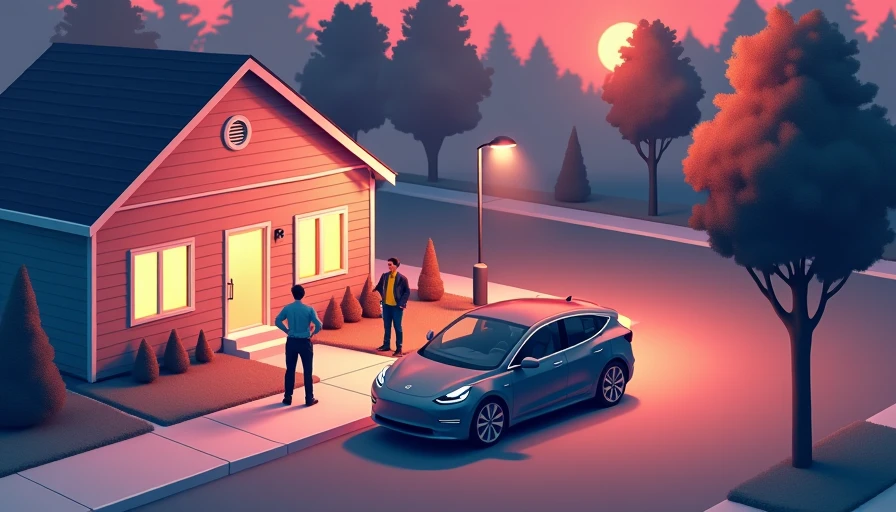
If your vehicle is included in an electric car fire recall, read the interim instructions closely. Some notices tell owners to park outside and away from structures. Others cap charging at 80% or recommend not leaving the vehicle plugged in overnight until repairs are made. These details are not legal filler. They are part of the risk-control plan until the permanent remedy is available.
Then call the dealer and ask three direct questions: Is the fix available now, how long will the vehicle be in the shop, and is a loaner or rental support offered? If a battery replacement is involved, timeline matters. Parts can take weeks, and service capacity can tighten quickly once owner letters land.
Where auto insurance fits into the story
An electric car fire recall is mainly a vehicle safety issue, but it has insurance implications too. If a fire damages your own car, comprehensive coverage is typically the part of an auto policy that handles non-collision losses such as fire, theft, hail, or vandalism, subject to your deductible. Liability coverage does not pay for damage to your own vehicle.
If the car is under a recall and the manufacturer has issued specific guidance, ignoring that guidance could complicate a claim review. That does not mean a claim is automatically denied, but insurers will look at the facts. The cleaner path is to document everything: recall notice, dealer appointment date, photos, charging records if relevant, and any instructions you followed.
This is also a decent moment to review your policy. EVs can cost more to repair because battery diagnostics, labor, and parts are specialized. Shopping carriers like Progressive, Geico, State Farm, Allstate, or USAA can still produce meaningful differences in premium, especially if you bundle home and auto or raise a deductible from $500 to $1,000. For many drivers, that can mean savings of a few hundred dollars a year.
How to read the recall without getting lost in PR language
Recall notices are often written in the careful language of lawyers, engineers, and communications teams sharing one keyboard. Cut through that by looking for three things: the defect, the risk, and the remedy. Three numbers that explain what's happening: the build dates affected, the charging limit if one is imposed, and the estimated repair time.
If the notice says a battery module can short internally, that's the defect. If it says an internal short may increase the risk of a fire while parked or charging, that's the risk. If it says dealers will update software or replace modules free of charge, that's the remedy. Everything else is context.
Also watch for sequencing. Sometimes the first step is a software patch designed to detect abnormal cells, followed later by hardware replacement for a subset of vehicles. That is not unusual in a large campaign. It is the industry buying time while suppliers ramp parts and dealers sort triage. The bottom line: if you get an electric car fire recall notice, act early, keep records, and don't wait for the second letter if the first one already tells you to change how you charge or park.
Bottom line for drivers shopping coverage and peace of mind
The headline risk around an electric car fire recall can sound bigger than the actual fleet-wide danger, but the response still needs to be quick. Check the VIN, follow the temporary instructions, schedule the repair, and review your insurance before a problem becomes expensive. That's the practical play.
If you're comparing coverage now, use the recall moment as a prompt to quote multiple insurers and verify that your comprehensive coverage, rental reimbursement, and roadside assistance fit an EV ownership profile. The market moves fast, and so do premiums. A five-minute quote check today can save real money while keeping you covered if the unexpected happens.
That is the part worth acting on now.