A ford explorer trim recall looks like trim-level news, but the real switch is the VIN. That is the part that decides whether a 2024 XLT, a 2023 ST, or a higher-content Platinum is covered by an open campaign. The badge helps narrow the search; it does not close it. If you own one, or you are staring at a used listing and trying to avoid a surprise in the service lane, the move is straightforward: run the VIN, check the open recalls, and make the dealer prove the fix is complete. Filed under: stories the PR team did not pitch.
Why a ford explorer trim recall is really a VIN question
Ford Explorer trim names matter because equipment changes across the lineup. An XLT does not always carry the same hardware as a Limited, and an ST-Line does not necessarily match an ST. That matters when a recall targets a part family, a software build, a seat component, or a specific production window. But the recall itself is still tied to the vehicle identification number, not the marketing name on the brochure. One Explorer can be affected while another of the same trim sits outside the campaign because it was built on a different day or with a different supplier lot.
Here is what we know, and here is what we do not: a trim badge can point you toward the right population, but it is not the final answer. A dealer can run the VIN through Ford’s system in a minute or two and tell you whether the vehicle has an open recall, a completed repair, or nothing at all. That is cleaner than guessing from forum chatter, which tends to multiply faster than parts shortages.
How to check a ford explorer trim recall without guessing
Start with the VIN on the lower left of the windshield, the door jamb label, or the registration paperwork. Then use the NHTSA recall lookup and Ford’s owner site or FordPass account if the vehicle is already in your driveway. If you are buying used, ask the seller for the VIN before you leave a deposit. A Carfax or AutoCheck report can help flag open recalls, but it is not a substitute for the actual lookup.
If the report shows an open campaign, call a Ford dealer service desk and ask for the recall number, the repair status, and whether the part is in stock. Some fixes are software flashes that can be done fast if the dealer has the appointment space. Others need a specific module, latch, fuel system component, or airbag-related part, and that can slow things down. The important part is to get the vehicle matched to the VIN, not to the trim name on the ad.
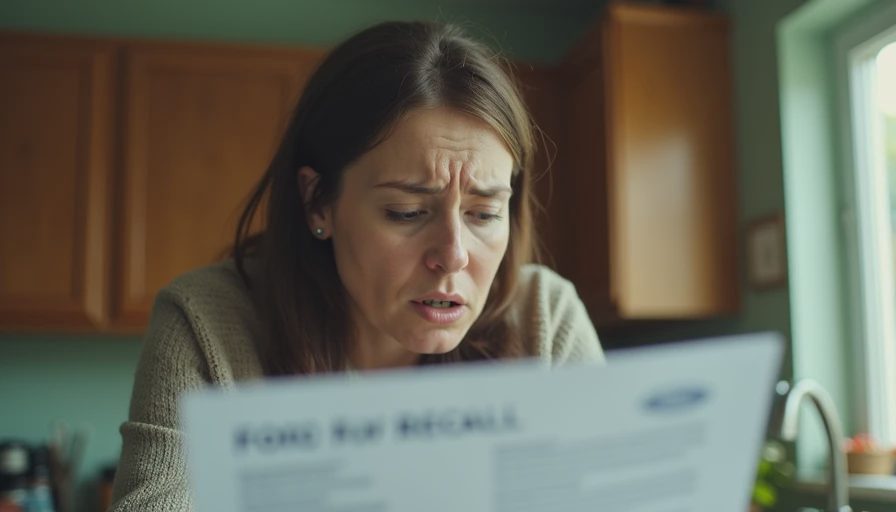
What the free repair process usually looks like
Once the dealer confirms the open recall, the repair should be free. No deductible, no insurance claim, no drama with your carrier. That is the whole point of a safety recall. The dealer submits the work under the manufacturer campaign, installs the approved part or software update, and closes the record in Ford’s system.
Timing is where owners get impatient. A simple module update can be finished in under an hour if the schedule is open. A hardware fix can take longer, especially if the part has to be ordered or the dealer is waiting on allocation. If the notice includes stop-driving language, do not try to outsmart it because the dashboard still lights up and the commute is inconvenient. Park it and call the dealer. If the vehicle is safe to drive, keep the appointment and keep the paperwork when the repair is done.
Why used buyers should care before signing
This is where a ford explorer trim recall turns from paperwork into money. Used shoppers often focus on trim badges, wheel size, and whether the cabin has leather or a bigger screen. That is fine, but an open recall can turn a clean-looking Explorer into a delayed handoff if the dealer has to wait on a part. It can also be a negotiating point with a private seller or an independent lot that has not bothered to close the loop.
If you are comparing an Explorer XLT, Limited, ST, or Platinum, ask for the VIN before you talk price. Check the recall status yourself. Then ask for proof of completion if the seller says the repair is already done. A completed recall should leave a paper trail: a repair order, a closeout note, or a dealer printout that shows the campaign number and date. That is the difference between a real fix and a sales pitch with better tires.

The signal for owners, dealers, and anyone shopping the used market
The cleanest read on a ford explorer trim recall is boring, which is usually a good sign in the recall business. Check the VIN, confirm the status, and get the repair done before the issue turns into a weekend errand. Trim badges can help narrow the search, but the VIN is the only thing that settles it. If you are buying, make the lookup part of the deal, not an afterthought. If you already own the vehicle, do the check now and keep the dealer receipt once the work is finished. In this line of work, the badge on the hatch is marketing; the VIN is what pays the mechanic.



Travellers Write
No letters yet — be the first traveller to write.