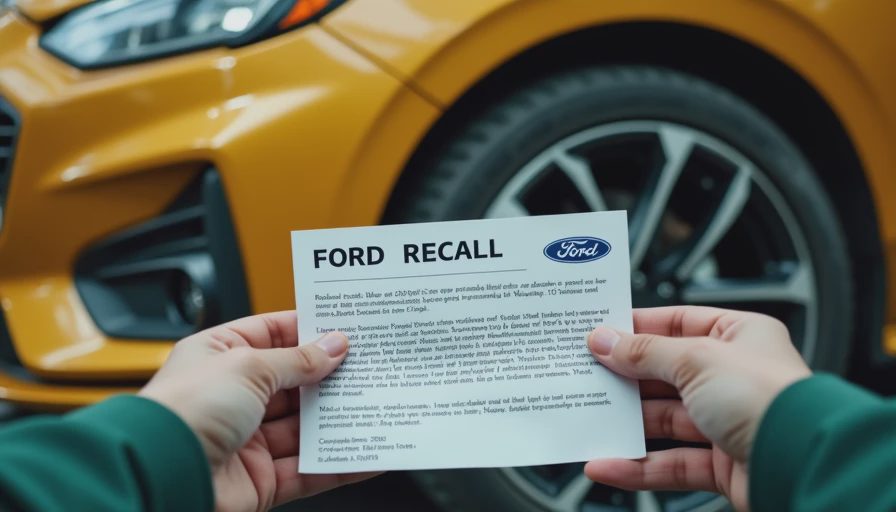
The pace of Ford recalls 2026 has been relentless so far, with the Blue Oval issuing multiple safety campaigns that collectively cover hundreds of thousands of vehicles. If you own a recent Ford or Lincoln, you need to pay attention. Here's what we know—and here's what we don't.
Major Recalls of 2026 So Far
Three recalls dominate the headlines this year. The largest involves the 2024-2025 Ford F-150: a brake hose defect that can cause reduced stopping power. Ford reports that roughly 280,000 trucks are affected in North America. Dealers will inspect and replace the hoses free of charge.
Then there's the Mustang Mach-E recall. About 45,000 units from the 2025 model year have a software glitch that can disable the rearview camera after a cold start. The fix is an over-the-air update, but Ford is notifying owners by mail.
Finally, a smaller recall for the Lincoln Nautilus (2026 model) involves loose front seat belt anchors. Only ~4,000 units are affected, but owners are asked to bring their vehicles in for inspection.
These are just the NHTSA-recognized actions. There are also two field service actions that haven't yet been classified as recalls but are likely to follow.
Why Ford's Recall Volume Matters
Ford recalls 2026 isn't a new headline—the automaker has topped the recall charts for several years. In 2024, Ford issued over 50 recalls covering more than 4 million vehicles. The trend hasn't slowed. For industry watchers, the question is whether these are growing pains from the EV transition or a deeper quality issue.
Recall frequency affects more than safety. It hits resale values. A vehicle with multiple open recalls is worth less on the used market, and dealerships can be stuck with inventory that can't be sold until repairs are completed. Insurance premiums can also edge upward if the recalls involve major safety systems.
Ford's CEO has acknowledged the problem and promised “a step change in quality starting in 2026.” But so far, the data suggests the improvements haven't fully filtered into production.
How to Check If Your Ford Is Affected
Don't wait for a letter. You can check your Ford's recall status right now. Visit the NHTSA website or Ford's own recall page. You'll need your 17-digit VIN (vehicle identification number). It's on the dashboard, driver's side door jamb, or your registration.
Enter the VIN. If there's an open recall, the system will show the NHTSA campaign number, a description of the defect, and the remedy. You can then schedule a free repair at any Ford or Lincoln dealership. Even if the recall is for an older car—like a 2015 Focus with the infamous DPS6 transmission issue—the fix is still free.
Ford also sends multiple notifications via mail and email. But if you bought the car used and the previous owner didn't update their address, you may miss them. Check manually at least twice a year.

What This Means for Ford Owners
If you're driving a Ford or Lincoln involved in a 2026 recall, here's the bottom line: get it fixed as soon as parts are available. Some remedies take weeks to arrive, especially for high-volume campaigns like the F-150 brake hose. Ask your dealer to put you on a priority list.
Don't ignore the recall, even if you haven't experienced a problem. Defects can worsen with mileage. And if you ever get into a crash and an unrepaired recall contributed, your insurance claim could become more complicated.
For those shopping for a new Ford right now, check the vehicle's recall history. A model with multiple recurring recalls—especially on safety-critical systems like brakes or steering—might be worth skipping until a proven fix is in place. The onus is on Ford to restore confidence, but as a buyer, you have options.
Looking Ahead
Ford recalls 2026 are likely to keep coming. The NHTSA is investigating two other potential defects—one involving a fuel pump in the Explorer, another concerning battery fire risks in the E-Transit. Formal recalls could arrive later this year.
For now, the best move is proactive: check your VIN, schedule repairs, and stay informed. We'll keep tracking the filings and report any new actions as they break.
Frequently Asked Questions About Ford Recalls 2026
**Q: Will a recall repair cost me anything?**
A: No. All safety recall repairs performed at a Ford or Lincoln dealership are free of charge, including parts and labor. You're entitled to the fix regardless of whether you're the original owner.
**Q: Can I still drive my car if it has an open recall?**
A: In most cases, yes. Unless the recall involves a critical safety risk—such as a fire or sudden loss of braking—you can continue driving. But you should schedule the repair as soon as possible. Check the NHTSA description to gauge urgency.
**Q: How long does a recall repair take?**
A: It varies. Simple software updates can be done in under an hour. Parts-dependent repairs, like the F-150 brake hose, may require a few hours and a follow-up appointment if parts are backordered. Your dealer can give you an estimate.
**Q: Does Ford offer loaner vehicles for recall repairs?**
A: Ford does not guarantee loaners, but many dealers provide them – especially for complex jobs. Ask when you schedule.
**Q: Can I sell a car with an open Ford recall?**
A: You can, but it may reduce the sale price. Many buyers check recall history. You're better off getting it fixed first to maximize resale value.
Three numbers that explain what's happening: 280,000 (F-150s recalled), 45,000 (Mach-Es), and one big question mark—can Ford reverse the trend by year's end?


Travellers Write
No letters yet — be the first traveller to write.