
How to fix a recalled car is usually less complicated than drivers think: confirm the recall by VIN, contact a franchised dealer for your brand, and get the repair done at no charge. That's the hard news up top. The catch is timing. Some recalls are stop-drive serious, while others involve software updates or parts that are not yet in stock. Here's what we know — and here's what we don't: the automaker must remedy a covered safety recall, but the speed and logistics can vary depending on the defect, the age of the vehicle, and dealer capacity.
Start with the VIN, not rumor or social media
If you want the clean answer on how to fix a recalled car, begin with the 17-character VIN. Do not rely on a Facebook post, a forum screenshot, or a headline that names your model year and sends everyone into a panic. Recalls are VIN-specific. The same vehicle line can have different suppliers, build dates, or assembly plants that change whether your car is included.
Use the NHTSA recall lookup tool or the automaker's recall page and enter the VIN exactly. You are looking for an open safety recall, not a technical service bulletin and not a customer satisfaction campaign. Those are different animals. A recall is tied to a safety defect or noncompliance issue and is repaired free of charge. A TSB is guidance to dealers on diagnosing or fixing a known problem, but it is not automatically free unless covered by warranty or another program.
Once you find an open recall, save the campaign number and description. That makes the next call faster and keeps the service advisor from playing twenty questions.
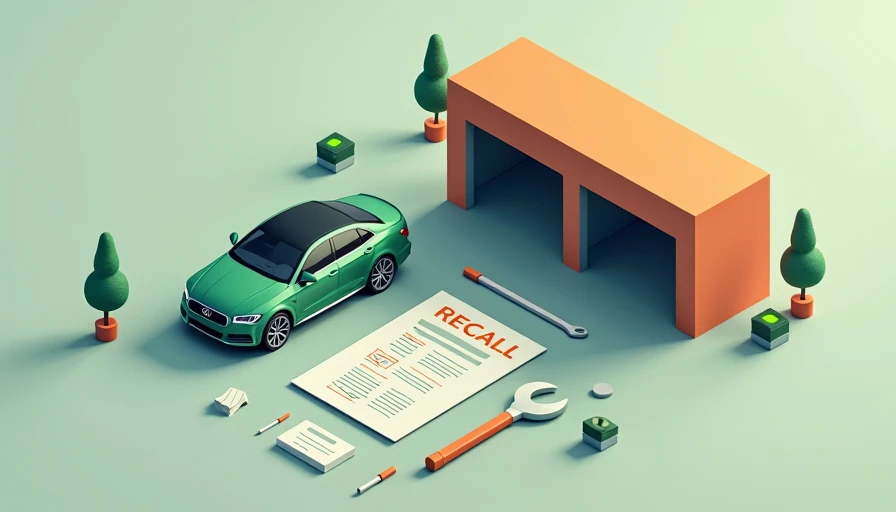
Call the right dealer and ask the two questions that matter
The next step in how to fix a recalled car is simple: call a franchised dealer for that brand. If you drive a Ford, call a Ford dealer. If it's a Chevrolet, call a Chevy dealer. Independent shops can be excellent for regular maintenance, but recall repairs generally run through the manufacturer's dealer network because the automaker pays for the remedy, parts, and labor.
Ask two direct questions. First: "Is the remedy available now?" Second: "Is this vehicle safe to drive until the appointment?" Those answers matter more than the hold music. Some recalls are routine and can be handled in under an hour. Others involve airbag inflators, fire risk, brake failures, or battery-related defects where the car should be parked immediately.
If the dealer says parts are backordered, ask to be placed on the notification list and request the earliest available appointment once inventory lands. If the recall notice mentions interim repairs or software updates, ask whether your VIN qualifies right away. Reading between the lines of the press release, many recall rollouts happen in phases, and dealers do not always have full parts supply on day one.
Know what the repair should cost: usually nothing
Here is the part people overcomplicate when asking how to fix a recalled car: the recall repair itself should be free. That generally includes the replacement part, software update, inspection tied to the recall, and labor. You should not be billed a deductible. This is not an insurance claim, and it is not treated like elective service.
That said, dealers may identify unrelated maintenance or wear items while the car is in the shop. Tires, brake pads, oil changes, and a weak battery are not magically folded into the recall. Separate the recall work from the upsell. Approve only what you actually want done.
If you already paid out of pocket for the same defect before the recall was announced, ask about reimbursement. Automakers often publish reimbursement instructions as part of the recall remedy program. You will usually need receipts, repair orders, and proof that the work addressed the recalled issue. Keep the paperwork. This is one of those times being organized saves real money.
What to do if parts are delayed or the car is unsafe
This is where how to fix a recalled car gets messy. Some recall campaigns launch before enough parts are available nationwide. That is frustrating, but not unusual in the auto business, especially with high-volume models or supplier bottlenecks. If the notice says "do not drive" or the dealer tells you the vehicle is unsafe, stop using it unless you have no alternative and there is a true emergency.
Ask whether the manufacturer offers towing, mobile repair, a loaner, or rental reimbursement. Not every recall comes with those benefits, but some serious campaigns do. Be polite and persistent. Escalate to the automaker's customer care line if the dealer shrugs and moves on.
Document every conversation: date, time, who you spoke with, and what they said. If the car is sidelined for weeks, that paper trail matters. If you believe the recall remedy is being mishandled, you can also file a complaint with NHTSA. That will not teleport parts to the dealer, but it does create a record regulators can review.
After the repair, verify the fix and keep the record
Once the work is complete, close the loop. The final step in how to fix a recalled car is making sure the repair order clearly lists the recall campaign number and states that the remedy was performed. Do not leave with a vague invoice that says "checked vehicle" and little else. You want documentation for resale, future warranty questions, and your own sanity.
Test the affected system if appropriate. If the recall involved software, confirm the warning messages are gone. If it involved latches, lights, brakes, or steering-related hardware, ask the advisor to explain what was replaced and whether any follow-up is needed. A good dealer will walk through it in plain English.
Then recheck your VIN online after a few days or a couple of weeks. Open recalls do not always clear instantly in every database. If the recall still shows as open after the dealer says it is done, call back with your repair order in hand.
The short version on how to fix a recalled car is this: verify by VIN, book the dealer visit, pay nothing for the recall remedy, and move fast if the defect affects safety. Skip the rumor mill. Get the campaign number, get the paperwork, and get it fixed.