The nhtsa car seat database is still the fastest way to sort a dizzying market that runs from infant carriers to 3-in-1 convertibles. If you are buying for a newborn, moving a toddler to forward-facing, or trying to figure out whether a booster is enough, start there and save yourself a Saturday of aisle-wandering and second-guessing. The real value is simple: it tells you which seats fit the child, how they install, and whether a recall is hanging over the model.
What the agency tool actually does
When you use the nhtsa car seat finder, you are not shopping a brand catalog. You are narrowing the field by age, weight, height, and seat type so you can compare options that make sense for your kid and your vehicle. That matters because the wrong seat is often not unsafe in some abstract way; it is unsafe in the practical, annoying way that leads to a loose install, a twisted strap, or a harness that sits too high on a small rider.
The site also points you to manuals, installation notes, and recall information. For buyers, that can be worth real money. A good infant seat from Graco or Chicco often starts around $120 to $200. Convertible seats from Britax, Evenflo, or Graco can run $180 to $400, and rotating models can climb higher. The price gap only matters if the seat fits the child and the vehicle on the first try. If not, the bargain becomes a shelf ornament.
How to match the seat to the child and the vehicle
The safe fit question has three moving parts: age, size, and vehicle geometry. Rear-facing is standard for infants and often for toddlers up to the upper limits of the seat. Forward-facing harness seats come next, and boosters are for kids who can sit correctly every ride and fit the vehicle belt across the chest and hips, not the neck and stomach. That sequence is not glamorous, but neither is a trip to the emergency room.
The nhtsa car seat guidance is useful here because it reminds you that the manual is part of the product. Lower anchors are convenient, but they have weight limits that include the seat itself and the child. Once you pass that limit, the seat belt usually becomes the better choice. Top tethers matter too on forward-facing seats; they reduce head movement and can make a clean install feel tighter. If a seat seems simple only after you have ignored the manual, it is probably not simple.
A good rule: test the seat in your own car before you buy if the retailer will let you. A compact sedan, a two-row crossover, and a pickup cab do not swallow the same shell. A seat that fits well in a Honda CR-V may feel crowded in a Mazda3 or next to another car seat in a row of three. Measure first, then spend.
Where most installs go wrong
Most bad installs are not dramatic. They are small mistakes that stack up: the harness is loose enough to pinch too much slack, the chest clip sits on the belly, the belt path is twisted, or the seat moves more than an inch at the base when you tug it side to side. That inch matters. So does reading the angle indicator on an infant seat instead of eyeballing it and hoping gravity is in a forgiving mood.
A quick check through the nhtsa car seat page before you leave the store can spare you a return trip. A technician check can be free through some hospitals, fire departments, or local safety clinics, and it is usually worth the drive. If you do it yourself, use the vehicle manual and the seat manual together. Do not mix and match advice from a forum thread with a model-year-specific instruction label. That is how a ten-minute job turns into a head-scratcher and, more important, a poor install.
If you are shopping on a budget, keep in mind that a higher sticker price does not guarantee an easier install. Some $150 seats are a headache in tight back seats, while a $90 model from a mainstream brand may fit like it was designed for your car. What you are paying for is often extra padding, rotating mechanisms, or easier harness adjustments, not a magic pass on physics.
Recalls, expiration dates, and when to replace a seat
A recall does not always mean the seat is junk, but it does mean you need the fix fast. Sometimes the repair is a new part, a label, or a clip. Sometimes the maker wants the seat retired. Register the product when you buy it, keep the model and serial number, and save the receipt if you can. That is boring paperwork until the day it matters.
The nhtsa car seat recall lookup is the easiest place to check whether a model has an open issue, but do not stop there. Manufacturer sites often post the same recall with specific instructions and replacement parts. If the seat has been in a crash, follow the maker's rules. Some allow continued use after a minor crash under narrow conditions; others tell you to replace it. The decision is not something to freestyle. A cracked shell or damaged harness is not a negotiation.
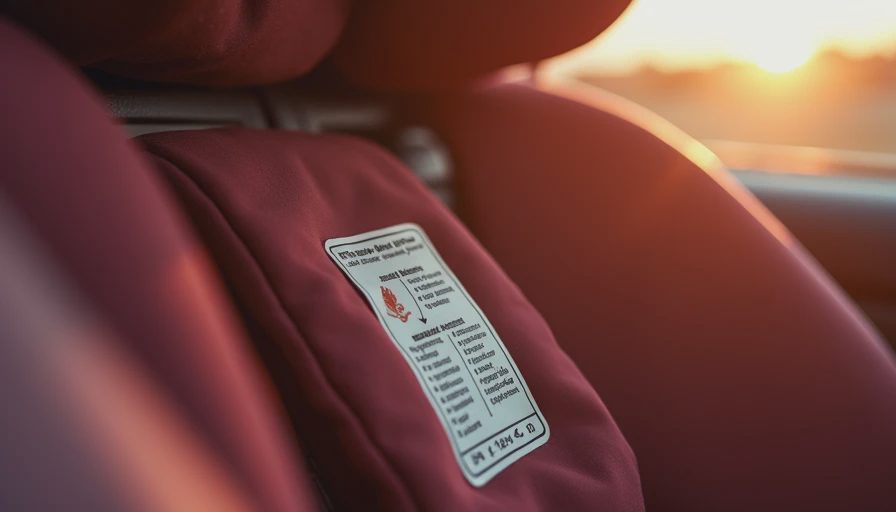
Expiration dates are another detail buyers ignore until they see the sticker. Many seats carry a life of six to ten years from manufacture, depending on the brand and model. Plastics age, standards change, and parts disappear. If you are inheriting a seat from a cousin or buying used, inspect the shell, the straps, the buckle, and every manual that comes with it. Missing pieces are not a collector's item.
A practical buying rule from the shop floor
If you want one clean process, use this: choose the right seat class, check the install method in your own car, look up recalls, then buy from a retailer with a decent return policy. That sequence is dull, which is exactly why it works. The big box shelf tag does not know whether your back seat has deep bolsters or whether your child is at the top end of the height chart.
There is one more reason the nhtsa car seat workflow beats gut instinct. It cuts through the false choice between cheapest and fanciest. For many families, the sweet spot is a well-reviewed convertible or booster from a known brand, bought new, installed carefully, and checked once by a technician. That usually beats chasing a bargain on a model that does not fit the car, or spending extra on features that never get used.
If you are doing this right now, start with the manual, then the seat finder, then a local installation check. That is how you avoid the showroom theater and get to the part that matters: a seat that actually does its job when the road gets ugly.


Travellers Write
No letters yet — be the first traveller to write.