An NHTSA recall check is the fastest way to know whether your vehicle has an open safety recall. The National Highway Traffic Safety Administration maintains a free online database where you can enter your VIN and see any unresolved recalls. In 2024 alone, automakers issued over 1,000 recall campaigns affecting millions of vehicles. If you have not run a check lately, you are driving blind.
Here is what we know about the process, the data, and what happens when a recall appears. The database includes recalls for all vehicles, motorcycles, RVs, and even trailers.
What Is an NHTSA Recall Check?
An NHTSA recall check means using the agency's VIN lookup tool to see if a specific vehicle has an unrepaired recall. You do not need a login or fee, just the 17-character VIN. The tool returns a list of recalls tied to that VIN, the date each was issued, and whether the repair has been completed. This is the same system dealers use when you bring a car in for service.
Because recalls are safety-critical, NHTSA requires automakers to report every campaign. When you run a check, you see the official record, not a third-party guess. That matters because some aftermarket services show only recent recalls or charge for information that NHTSA provides at no cost. The scope of the database is comprehensive, covering all recalls since 1966.
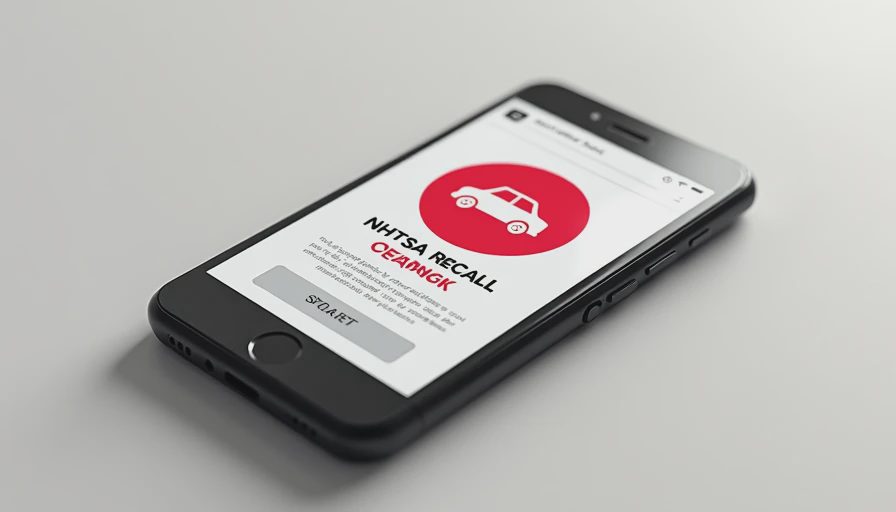
How to Perform an NHTSA Recall Check Step by Step
Running an NHTSA recall check takes about two minutes. You need the vehicle's VIN. Find it on the dashboard near the windshield, on the driver's side door jamb sticker, or on your registration card. Once you have it, go to NHTSA.gov/recalls. Enter the VIN in the search box and click "Search." The tool displays any open recalls, including the manufacturer, campaign number, and description of the defect.
If no recalls appear, the vehicle may still have outstanding campaigns that have not been reported to NHTSA yet. Automakers have a few days to notify owners, so check again in two weeks. You can also sign up for email alerts from NHTSA for future recalls tied to that VIN.
Why You Should Run a Recall Check Regularly
An NHTSA recall check is not a one-time task. Recalls happen throughout a vehicle's life. A car can be ten years old and still have a newly issued recall for a part that was never flagged before. For example, in 2023, Ford recalled over 1.3 million vehicles for a rearview camera issue, some of which were six model years old. If the original owner never brought the car in, the recall stays open no matter how many times the car sold later.
Dealers are required to fix open recalls at no charge, but only if you know about them. Running a check every six months is a cheap habit that can prevent a dangerous failure — or at least save you a repair bill. Many insurers now ask about open recalls during policy renewals, so a clean record can even help your premium.
What to Do If Your Vehicle Has an Open Recall
If an NHTSA recall check reveals an open recall, contact a dealership that sells that brand. You do not need to have bought the car there. Provide the VIN and ask to schedule the repair. The dealer performs the fix at no charge, and NHTSA requires the manufacturer to reimburse the dealer. If the dealer gives you trouble, call NHTSA's Vehicle Safety Hotline at 1-888-327-4236.
Some recalls require parts that are not immediately available. In that case, the manufacturer issues an interim notice, and the dealer will contact you when the part arrives. You can also check NHTSA's website for updates on remedy availability. Keep checking every month. Some automakers offer loaner vehicles or rental reimbursement during the wait. Ask.
How Often Should You Perform an NHTSA Recall Check?
A good rule: run an NHTSA recall check every time you renew your registration or get an oil change. If your vehicle is used or bought from a private seller, run a check the day you buy it. For fleet vehicles, check every quarter. NHTSA also sends alerts if you register your VIN on their site, but that system is not always instant. A manual check gives you the latest data.
The database includes all recalls since 1966. If you have a classic car, do not assume it is exempt. Parts age, and new research can uncover defects that were unknown when the car was built.
Frequently Asked Questions About the NHTSA Recall Check
Can I get a recall fixed if I bought the car used? Yes. Recalls are tied to the vehicle, not the owner. Any authorized dealer must perform the repair at no cost, regardless of where you bought the car or how many owners it has had.
What if the recall is for a part that is discontinued? The manufacturer must provide a remedy. Sometimes they buy back the vehicle or offer a trade-in credit. Contact NHTSA if the dealer says there is no fix.
Do recalls expire? No. The obligation to fix a safety recall is permanent. Even if the vehicle is 20 years old, the manufacturer must repair it if the required parts exist.
Will a recall show up on a Carfax report? Carfax and similar services often include recall information, but they may not be as current as NHTSA's database. Always verify with an NHTSA recall check before relying on a third-party report.
How long does the dealer take to complete the repair? Most recall repairs are done in a few hours, but some require waiting for parts. The dealer should give you an estimated timeline.
The Bottom Line
An NHTSA recall check is free, fast, and essential. There is no reason to skip it. Bookmark the NHTSA recall lookup page and make it part of your vehicle maintenance routine. If you have not checked yours in the last year, stop reading and do it now.

Travellers Write
No letters yet — be the first traveller to write.