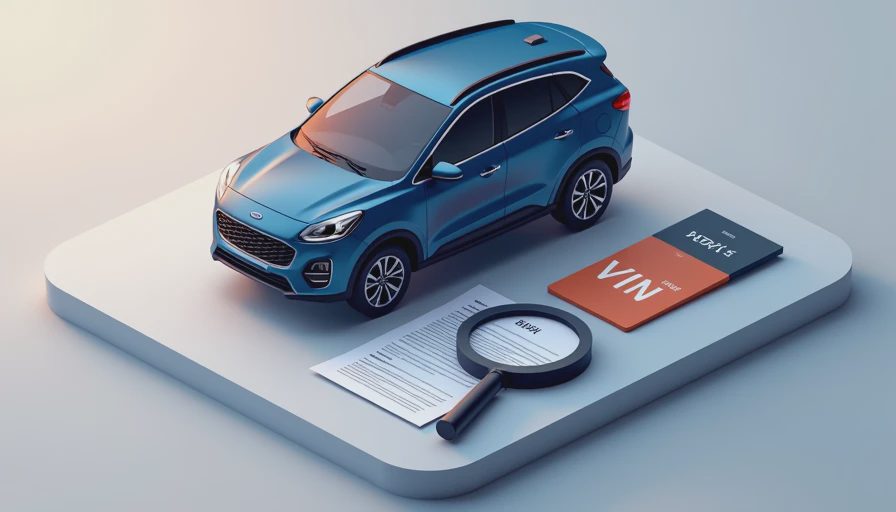
Checking **recalls by VIN number Ford** is the fastest way to know if your vehicle has an unrepaired safety defect. Every Ford, Lincoln, and Mercury vehicle has a unique 17-character VIN. NHTSA's free online tool lets you look up **recalls by VIN number Ford** in seconds. Here's what we know — and what you need to do next.
What Is a Recall by VIN?
A recall by VIN is the official method automakers and regulators use to identify specific vehicles affected by a safety defect. Instead of a blanket announcement for every car of a given model year, the recall is tied to individual VINs. That means your neighbor's 2020 Ford Explorer might be under a recall notice while yours is not. **Recalls by VIN number Ford** queries return only the campaigns that apply to your exact vehicle. The system is maintained by NHTSA and updated within days of a safety defect being reported.
How to Check Your Ford's Recalls by VIN
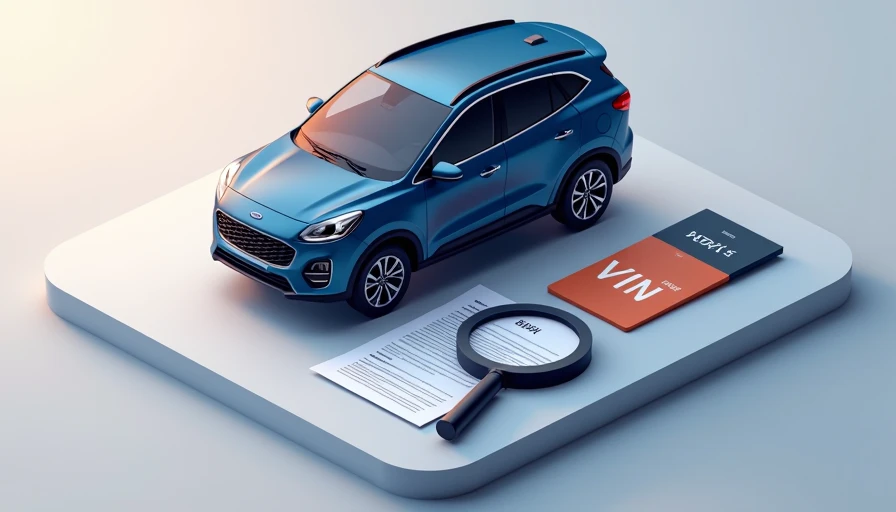
Go to NHTSA's recall lookup page and enter your 17-character VIN. You'll find the VIN on the driver's side dashboard (visible through the windshield) or on the door jamb sticker. The site returns any open recalls, including the issue description, the date issued, and the remedy status. If you'd rather use Ford's own portal, go to Ford.com and click the recall or owner support section. Both tools run the same NHTSA database, so the results are identical. Run a **recalls by VIN number Ford** check at least twice a year — new campaigns can be announced years after a vehicle is built.
What to Do If Your Ford Has an Open Recall
If your **recalls by VIN number Ford** check returns an open campaign, contact your nearest Ford dealership immediately. Federal law requires the automaker to fix the defect at no charge. You don't pay for parts, labor, or even a loaner vehicle while the repair is being done. The dealer may need to order parts if the recall is recent, but by law they must complete the repair within 60 days of your request. Some common Ford recalls include Takata airbag inflators, powertrain control module software updates, and door latch failures. In high-profile cases like the 2023 Explorer rear suspension bolt recall, parts were in short supply — dealers prioritized by risk severity.
Why Ford Issues Recalls (and Why You Should Act Fast)
Ford issues recalls for two main reasons: a safety defect that poses a risk of injury, or noncompliance with federal safety standards. The company is legally obligated to notify owners within 60 days of discovering the defect. NHTSA can also compel a recall after an investigation. **Recalls by VIN number Ford** are the only way to know if your vehicle is part of a campaign that began after you bought it. Ignoring a recall notice is not against the law, but driving with an unrepaired defect could lead to injury or accident liability. In 2024 alone, Ford recalled over 1.2 million vehicles for issues ranging from seat belt sensor failures to engine valve breaks.
Recent Examples: Ford Recalls You Should Know About
- **2023 Ford Explorer:** Rear suspension bolt can fracture, causing loss of control. NHTSA recall number 23V-456. Over 125,000 vehicles affected.
- **2020-2022 Ford Escape:** Engine block heater cable can short circuit. NHTSA 22V-700. Repair replaces the cord free of charge.
- **2021 Ford F-150:** Windshield wiper arm may fail. NHTSA 24V-001. Dealer replaces the arm assembly.
These are just a snapshot. To see if your specific vehicle is included, run a **recalls by VIN number Ford** check. The NHTSA database also lists the percent of vehicles already repaired, which can help you gauge how quickly dealers are completing the work.
How to Stay Ahead of Future Recalls
Ford offers free recall alerts via email or text if you register your VIN with their owner portal. NHTSA also provides a VIN-based notification service. But the most reliable method is a manual check every few months. Set a calendar reminder for January and July. If you sell or buy a used Ford, always run a **recalls by VIN number Ford** check before completing the transaction. An unrepaired recall can be a negotiating point — or a reason to walk away. Dealers are required by law to complete all open recalls before selling a new vehicle, but used car lots often skip this step.
Bottom Line
**Recalls by VIN number Ford** is the simplest tool to protect yourself and your passengers. The check takes less than a minute and costs nothing. If a recall is found, the repair is free. If no recall is found, you have peace of mind. Either way, you've done the baseline diligence that every Ford owner should do. This isn't coverage the PR team pitched — it's how the safety system actually works. Use it.


Travellers Write
No letters yet — be the first traveller to write.