If you own a 1967 Chevy Impala, the first question is not how shiny the chrome is. It is how the policy handles a car that may spend most of its life in a garage and can swing from a $15,000 project to a $70,000-plus restored cruiser. Standard auto coverage is built for commuting miles and fast depreciation, which does not fit a classic that can be worth more in trim pieces than some late-model sedans are on paper.
Here’s what we know — and here’s what we don’t: the right policy depends on value, use, storage, and whether the car has been modified. That is why classic-car shoppers, weekend drivers, and restoration-minded owners should read the fine print before they buy, not after a hailstorm or a parking-lot scrape.
Why a 1967 Chevy Impala is not ordinary auto insurance
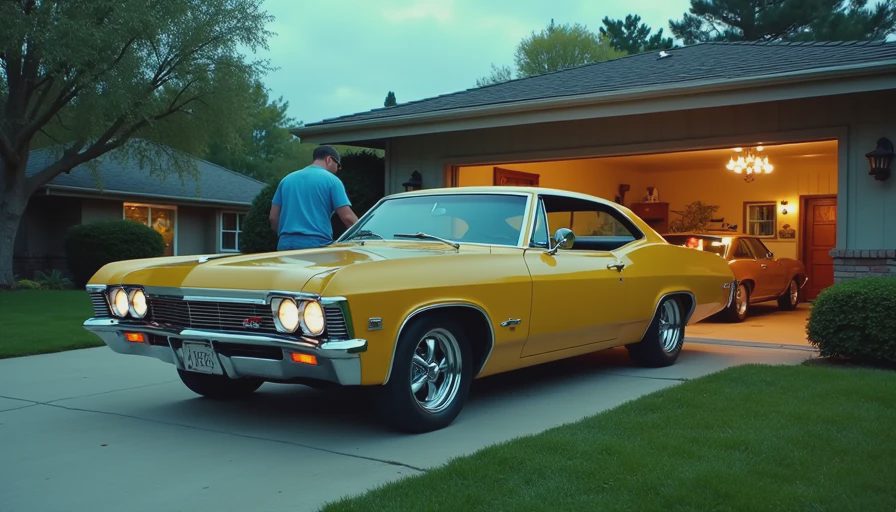
A 1967 Chevy Impala can be a survivor with worn upholstery, a clean driver with a rebuilt drivetrain, or a full build with fresh paint, upgraded brakes, and enough chrome to blind a traffic cop. Those cars do not price the same way. A factory-correct hardtop with a strong body is not the same risk as a rusty parts car or a custom cruiser with an engine swap.
The value driver is condition plus originality plus documentation. Numbers-matching parts, a known ownership history, and a stack of receipts can move the conversation fast. So can rust repair, rare options, and body style. If the policy assumes the car depreciates like a commuter, the settlement math can go sideways when a claim lands.
Agreed value and the 1967 Chevy Impala
Agreed value is usually the cleaner fit for a classic. You and the carrier set a number up front, and if the car is totaled, that figure is the baseline for a covered loss after the deductible. Actual cash value is the daily-driver model, where the insurer decides what the car was worth at the time of the claim. For a collector car, that can mean a fight nobody wants.
Specialty carriers like Hagerty, Grundy, and American Collectors built their business around that gap. Some mainstream insurers can still write collector coverage or a classic-car endorsement, but the policy details matter more than the logo. Ask whether the value is locked, whether spare parts are covered, and whether the policy allows periodic appraisals if the build changes.
Coverage that matters, and the parts you can skip
Liability coverage is the floor, not the bragging point. If you cause damage or injure someone, that is the coverage that pays first. Comprehensive matters too because theft, fire, hail, vandalism, and garage accidents do not care that the car only comes out on sunny weekends. Collision matters if the car actually gets driven, even sparingly.
A deductible in the $250 to $1,000 range is common, and the right number depends on how much pain you can absorb after a loss. Uninsured and underinsured motorist coverage is worth asking about if the carrier offers it. Roadside assistance can help with a flatbed tow, but rental reimbursement is less useful when the real backup plan is the other car in the garage.
How mileage, storage, and modifications move the price
A 1967 Chevy Impala that gets 3,000 miles a year, sleeps in a locked garage, and shares a household with another daily driver usually looks better to an underwriter than one parked on the street. That difference can shave a few hundred dollars off the premium, and sometimes more. Mileage caps are common, often in the 2,500 to 5,000 mile range for collector policies.
Modifications cut both ways. Modern disc brakes, better lighting, and seat belts are easy to explain. A big-block swap, nitrous, or a heavy custom build may push the car into a different rating bucket. Receipts, photos, and a clear build sheet matter here. If the car has been upgraded, the insurer should know exactly what changed and what it cost.
What to gather before you ask for quotes
Do not call for a quote with a vague estimate and hope for the best. Have the VIN, current mileage, clear photos from every angle, the interior, the engine bay, the trunk, and the underside if the body work was significant. If you have an appraisal, bring it. If you do not, paying a few hundred dollars for one can save a lot of grief later.
You should also know where the car is stored, how often it is driven, and whether there is another insured daily driver in the household. Many collector policies are built around that setup. If the carrier asks for a mileage cap, answer honestly. The claims department will not be impressed by creative arithmetic after a loss.
A quick claims reality check
This is the part most owners hope never to use, which is exactly why it matters. If the car is damaged, the first move is to document everything before anything gets moved. Photos of the car, the scene, the damage, and any related parts can make a real difference when the adjuster starts asking questions. Storage location matters too, especially if the car was in a locked garage or a secure facility.
Ask how the insurer handles repair-shop choice and whether it works with classic-car shops, not just body shops that do modern sheet metal all day. A car like this is not a bumper cover and a paint blend. It is trim, glass, alignment, interior parts, and sometimes a waiting list for hard-to-find pieces. The better the paper trail, the smoother that process usually goes.
When specialty classic-car insurance beats a standard policy
If the car is mostly stored, lightly driven, and well documented, specialty coverage usually wins on both price and claims handling. Premiums in the low hundreds to around $1,000 a year are not unusual for a well-kept collector car, though value, location, and use all move the number. A mainstream policy can cost more and still leave the value conversation unclear.
A 1967 Chevy Impala deserves a policy that matches the car in the driveway, not the commuter in the brochure. If you are shopping quotes, start with agreed value, storage details, mileage limits, and photos that prove what the car really is. That is how you get closer to the number that matters, and farther from the fine print nobody wants to read after a loss.



Travellers Write
No letters yet — be the first traveller to write.