How to Perform a Car Seat Recall Check (and Why It Matters)
Every year, the National Highway Traffic Safety Administration (NHTSA) issues hundreds of vehicle and equipment recalls. A car seat recall check should be part of your regular parenting routine. Here's what we know — and here's what we don't.
Why Car Seat Recalls Happen
Car seat recalls aren't random. They typically follow a pattern: a manufacturing defect, a design flaw that fails crash test standards, or a labeling error that leads to improper installation. NHTSA's Office of Defects Investigation tracks complaints and test results. When a pattern emerges, they work with the manufacturer to issue a recall. In 2024 alone, over 1.5 million child restraints were recalled in the U.S., covering everything from buckles that release in a crash to chest clips that break at extreme temperatures.
If you're waiting for a letter in the mail, don't. Many parents miss recall notices because addresses change or the seat was bought used. A proactive car seat recall check catches those gaps. The process takes less than five minutes, and it's free.
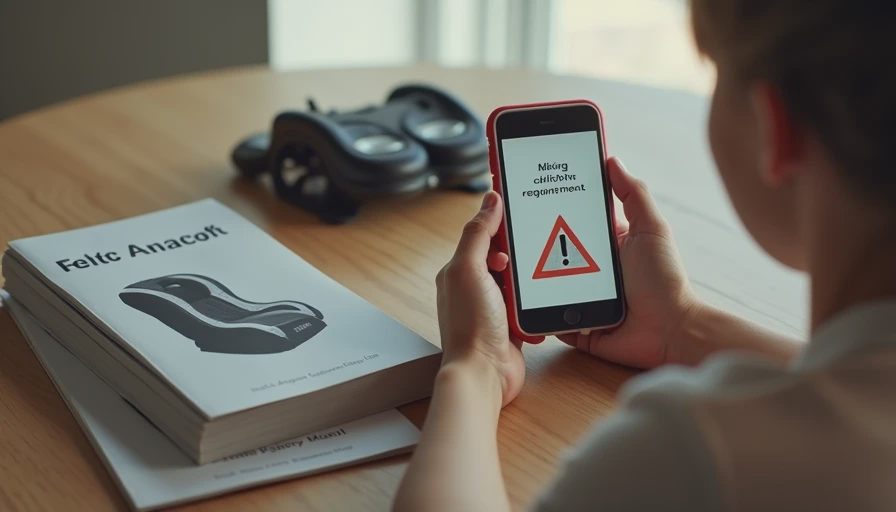
How to Perform a Car Seat Recall Check – Step by Step
Step 1: Locate the model number and manufacture date on your car seat. This information is printed on a label usually found on the side or bottom of the seat. You'll also need the brand name and model name.
Step 2: Go to NHTSA's SaferCar.gov website or use the NHTSA recall app. Enter the child restraint information into the recall search tool. The system checks against active recalls.
Step 3: If no recall is found, you're clear. But check back every few months. Recalls are announced on a rolling basis, and a seat that passed today could have a recall issued tomorrow. Set a reminder on your phone.
Step 4: If a recall does appear, NHTSA will tell you exactly what to do next. Write down the recall number and follow the manufacturer's instructions.
That's the entire car seat recall check process. Simple, but most parents never do it. A 2023 study found that only about 40% of recalled child seats are ever brought in for repair.
What to Do If Your Car Seat Is Recalled
First, don't panic. Most recalls involve a free repair kit or replacement part that the manufacturer will ship at no cost. Some high-severity recalls require you to stop using the seat immediately. NHTSA's announcement will make that clear.
Second, register your car seat with the manufacturer. This is the single best way to ensure you get recall notifications directly. Registration cards come with every new seat, but you can also register online. If you bought the seat used, you can still register it — just use your contact info.
Third, follow repair instructions exactly. Some repairs are as simple as cutting a harness adjuster tab or installing a new chest clip. Others require a return to the manufacturer. Never attempt a workaround that isn't part of the official recall remedy.
Finally, if you have trouble getting a manufacturer to honor a recall — or if you suspect a new problem — file a complaint with NHTSA. Complaints trigger investigations and future recalls.
Common Car Seat Recalls and What They Mean
Brands like Graco, Evenflo, Britax, and Diono have all had major recalls in recent years. Graco's 2012 recall affected 3.7 million toddler seats due to a buckle release issue. Evenflo recalled over 500,000 Big Kid seats in 2020 because the harness anchor labels instructed incorrect routing. Britax recalled several models of ClickTight seats in 2021 for a chest clip that could break.
These are not failures of whole brands. They show that any company can have a production run fall short. A car seat recall check is the only way to know if your specific unit is affected. Recalls are not condemnation — they are the system working.
Frequently Asked Questions About Car Seat Recall Checks
How often should I perform a car seat recall check?
At least once every three months. You can also subscribe to NHTSA email alerts for your seat's brand. Many manufacturers offer automatic notifications if you registered the seat.
Can a car seat recall check be done on a used seat?
Yes, and it is even more critical. Used seats often lack proper registration. Run a car seat recall check immediately before using a hand-me-down seat, and verify the seat is not expired or missing parts.
What if my seat is recalled but I cannot afford a replacement?
The recall remedy is free. The manufacturer must provide a repair kit, replacement part, or replacement seat at no cost. If you are refused, file a complaint with NHTSA.
Does a recall mean the seat is unsafe forever?
No. Once the remedy is applied, the seat is considered safe. The recall is a fix, not a condemnation. A car seat recall check ensures you apply that fix.
Conclusion: Make the Check Routine
A car seat recall check takes less time than scrolling through social media. It costs nothing. And it could save a child from injury or worse. Add it to your calendar every quarter. If you buy or inherit a used seat, run the check before the child ever rides in it. This is basic equipment maintenance, like checking the pressure in your tires. Do it.
Here's what we know: Recalls happen. Here's what we don't: Which seat will be next. The only way to stay safe is to check.

Travellers Write
No letters yet — be the first traveller to write.