A Hyundai recall can turn an ordinary commute into a paperwork problem, a dealer visit, or, in serious cases, a reason to park the vehicle immediately. The key question is not whether a headline sounds alarming. It is whether your specific vehicle identification number, or VIN, appears in an open safety campaign. Here's what we know — and here's what we don't.
Recalls are issued when a manufacturer or federal regulators determine that a safety-related defect exists in a vehicle or equipment. Hyundai reports recall information to the National Highway Traffic Safety Administration, which publishes campaign details, affected production ranges, risk descriptions, and remedy information. A recall is not the same thing as a technical service bulletin, warranty extension, or ordinary maintenance notice.
How to check a Hyundai recall by VIN
Start with the 17-character VIN. You can find it at the lower corner of the windshield on the driver's side, on the driver's door-jamb label, and on registration or insurance documents. Enter it into NHTSA's recall lookup tool, then compare the result with Hyundai's official owner website. Using both sources is sensible because the records serve different purposes: NHTSA is the federal public database, while Hyundai can provide dealer and remedy details.
Do not rely only on a model-year search. A 2022 Tucson, for example, can have a different engine, supplier part, production date, or software configuration from another 2022 Tucson. A VIN search narrows the result to that particular vehicle. If a recent Hyundai recall has been announced but the database does not yet show your VIN, the campaign may still be moving through the notification and parts-planning process.
Have the campaign number ready when calling a dealer. The notice should identify the defect, the safety consequence, the remedy, and whether parts are available. Recall repairs are generally completed without charge at an authorized dealership. Ask how long the work takes and whether a loaner or shuttle is available before making the appointment.

Which Hyundai problems deserve immediate attention?
The answer depends on the remedy language, not the drama of the social-media post. Some campaigns involve a warning light, software update, or inspection. Others involve possible fire, loss of braking assistance, steering failure, or unintended vehicle movement. If NHTSA or Hyundai tells owners to park outdoors, avoid charging, stop driving, or keep the vehicle away from structures, treat that instruction as an operating restriction rather than a suggestion.
Recent industry recall patterns have included battery-related concerns, engine-component failures, electronic control software, seat-belt hardware, and wiring or connector issues. The exact risk differs by model and campaign. An owner should read the official recall notice and follow its interim instructions instead of diagnosing the problem from a forum thread. A warning lamp, smoke, burning smell, unusual noise, or loss of power is a reason to stop in a safe place and request assistance.
A recall does not automatically mean every vehicle will fail. It does mean the identified risk has crossed a threshold that requires a corrective action. That distinction matters: ignoring a notice because the vehicle currently feels normal is not a reliable safety strategy.
What to do after receiving a notice
First, verify the VIN and campaign number. Second, read the remedy instructions carefully. Third, contact an authorized Hyundai dealer and ask whether the repair kit or software procedure is available. Parts shortages can delay completion, particularly when a campaign covers a large vehicle population. Get the appointment details in writing and save the repair order after the work is finished.
If the dealer says there is no open campaign, ask whether the repair has already been recorded under that VIN. A previous owner may have completed it. Also ask whether a separate campaign is pending but not yet ready for service. Do not pay an independent shop for a repair that is explicitly covered by a safety recall unless you have first confirmed the reimbursement process with Hyundai.
Keep receipts for towing, rental transportation, and related expenses. Reimbursement policies differ by campaign, and documentation is usually required. If a dealer refuses a qualifying recall repair or you cannot get a clear answer, contact Hyundai customer service and submit a complaint through NHTSA. A calm paper trail is more useful than an angry post with half the VIN visible.
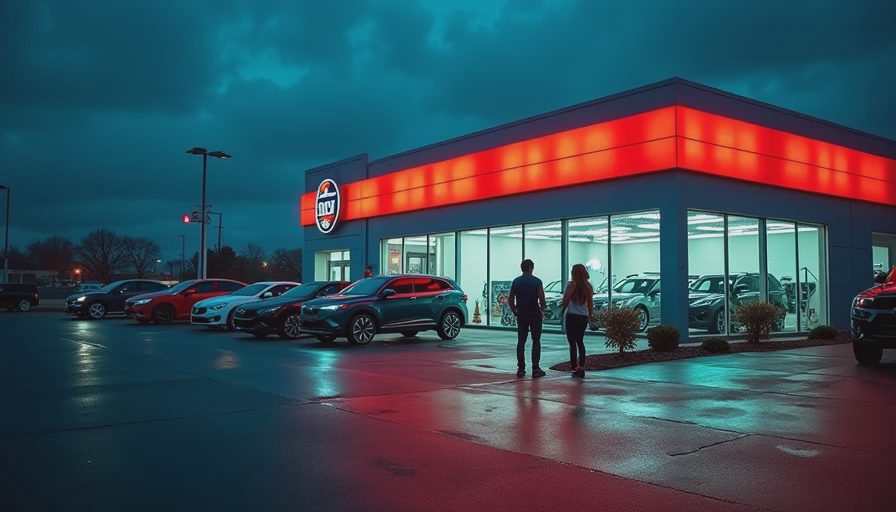
Does a Hyundai recall affect insurance?
A completed recall normally does not create a surcharge on an auto insurance policy. Insurers primarily price coverage using factors such as driving record, location, vehicle characteristics, claims history, coverage limits, and deductible. A recall itself is not the same as an at-fault accident or insurance claim.
The situation changes if a defect contributes to a crash, fire, theft, or other loss. Contact your insurer promptly after an incident and preserve repair records, photographs, and the recall notice. Comprehensive coverage can address certain non-collision losses, such as fire or theft, while collision coverage generally addresses damage from a crash, subject to the policy deductible. Liability coverage addresses damage or injuries for which the insured driver is legally responsible; it does not repair the insured vehicle.
When comparing quotes, be accurate about the vehicle's trim, mileage, garaging address, and safety equipment. Do not assume a recall makes a vehicle uninsurable. A carrier could have underwriting rules for a particular model or unresolved safety issue, but that is different from a blanket industry rule. Comparing several insurers can uncover meaningful price differences without sacrificing necessary coverage.
Buying or selling a recalled Hyundai
A recall does not automatically make a used Hyundai a bad purchase. It does make verification part of the transaction. Before paying a deposit, run the VIN through NHTSA and Hyundai, request the vehicle history, and ask for dealer repair invoices. An open campaign can be manageable if parts are available and the vehicle remains safe to operate. A campaign involving an instruction to stop driving deserves more caution and a written plan from the seller.
Sellers should disclose known safety issues and provide documentation for completed repairs. A buyer who discovers an open campaign after purchase may still receive the remedy at no charge, but the inconvenience and risk remain. Price negotiations should account for downtime, transportation, and uncertainty rather than treating an unresolved defect as a cosmetic issue.
An insurance quote before purchase is also useful. Enter the exact VIN, not merely Hyundai Santa Fe or Hyundai Elantra, because trim, engine, repair costs, and safety features can affect premiums. That quick check can prevent a surprising monthly bill after the sales paperwork is signed.
The practical takeaway for owners
Treat a Hyundai recall as a specific safety file, not a vague internet warning. Verify the VIN, read the official notice, follow driving restrictions, schedule the remedy, and keep every document. If the repair is complete, confirm that the dealer has closed the campaign in the manufacturer's system.
The best next move is usually simple: check the VIN today, call a dealer if the campaign is open, and compare insurance quotes after the vehicle's actual details are confirmed. A few minutes with the right records can separate a routine software update from a problem that should keep the car parked. That is the useful signal behind every Hyundai recall headline.

Travellers Write
No letters yet — be the first traveller to write.