Kia vehicles fire risks recall is not the kind of story you treat like routine maintenance. If your VIN is on the list, the practical questions show up fast: can you keep driving, where should you park it, who pays for the tow, and what happens if something does go wrong before the dealer fixes it? The answer depends on the exact recall, the model year, and your coverage, but the basics are not mysterious. Here's what we know — and here's what we don't.
The first step is to verify the VIN through NHTSA or Kia's owner portal, not a reposted social-media screenshot. Fire-related recalls usually involve a specific part, software issue, wiring fault, or fluid leak pattern, and the fix is handled by the manufacturer at no charge. That part is straightforward. What is less straightforward is the inconvenience between the recall notice and the repair appointment, which is where towing, rental reimbursement, and comprehensive coverage start to matter.
What the Kia vehicles fire risks recall usually means in practice
When a recall mentions fire risk, the language can sound dramatic because it has to. Regulators and automakers are trying to keep owners from parking a vehicle in a garage, next to the house, or under a carport if a defect could create heat, smoke, or ignition. In plain English: the car may be fine to move to a dealer, but it is not the sort of thing you ignore for six months and hope the service lane gets less busy.
For owners, the repair itself is usually free. The real costs are the side effects. You might need to schedule a loaner, pay for a rideshare, or leave the car with the dealer longer than expected if parts are backordered. That is where people get tripped up. A recall is not the same as a warranty claim, and it is not the same as a roadside failure after a crash. If the recall notice says to park outdoors, take that seriously. Dealers have seen enough scorched plastic to know this is not a theoretical exercise.
A good move is to save the recall letter, photograph the dash and engine bay before the repair, and keep every service receipt. If the dealer says the car is safe to drive until parts arrive, get that in writing. If it is not safe, ask whether the repair order can support a loaner or rental authorization. The paperwork matters more than the coffee in the waiting room.
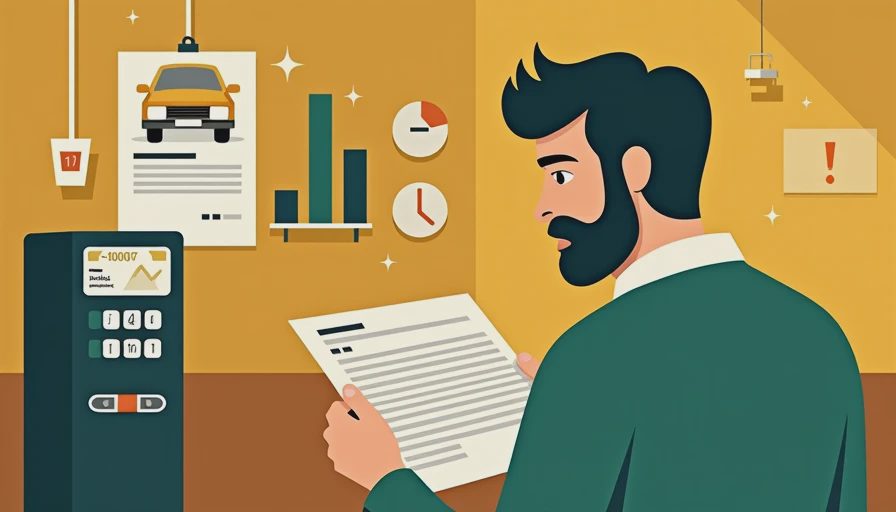
Insurance does not pay for the recall repair, but it may help with the mess around it
This is where a lot of owners assume the policy will behave like a blank check. It will not. Insurance generally does not pay to fix the recalled defect itself. The automaker does that. But if the car catches fire and damages the vehicle, comprehensive coverage is the part of the policy that usually applies, minus your deductible. If the fire starts after a collision, collision coverage may come into play instead. Liability coverage only helps with damage you cause to other people or property.
That distinction matters because the size of the deductible can change the decision. A driver with a $500 comprehensive deductible may get a very different outcome than a driver with a $1,000 deductible if the damage is limited to the engine bay, wiring, or smoke contamination. And smoke damage can be nasty. Upholstery, electronics, and harnesses do not always fail in a neat, photo-friendly way. Sometimes the car looks intact until the estimate lands at the body shop.
Some policies also include towing and rental reimbursement, which can soften the blow if the dealer needs the car for several days. Those coverages are usually inexpensive compared with the full premium, and they are worth checking before the next renewal. National carriers such as GEICO, Progressive, State Farm, Allstate, and USAA all sell versions of these protections, but the details depend on the policy, the ZIP code, and the vehicle itself.
How to handle the car before the dealer gets to it
If the recall warning is active, do the boring things first. Park outside if the notice says to do that. Keep the key away from the vehicle if the manufacturer recommends it. If you smell burning plastic, see smoke, or get a warning light that matches the recall description, do not turn the situation into an experiment. Call roadside assistance or the dealer and document the time and the advice you were given.
If the vehicle is still drivable, ask whether the dealer will tow it or whether you need to arrange transport yourself. Tow bills commonly run from roughly $75 to $150 for short local jobs, more if the car is disabled in an awkward spot or after hours. A diagnostic visit that turns into a storage fee can add another annoyance to the stack. That is why it helps to ask the service adviser up front who pays for what, and under what policy or program.
One thing to keep straight: if the fire risk recall involves an interim software update or a temporary inspection, that is not the same as a complete hardware fix. The dealer might clear the vehicle for short-term use, but that does not mean the problem is gone. Keep the recall number handy, and keep reading the dealer notes like you are looking for a loophole, because sometimes you are.
What used-car buyers should ask before signing
Used-car shoppers should treat open recalls as part of the deal math, not an afterthought. Ask for the VIN, check the recall status yourself, and confirm whether the repair has already been completed. A seller who waves off the issue with "the dealer will handle it" is handing you work and risk that should have been cleared before the test drive. If the car is priced attractively because of the open recall, that is fine only if you understand the timing and the exposure.
This is also where comprehensive coverage deserves a hard look. If you are financing a newer Kia or leasing one, the lender or leasing company may already require it. If you own the car outright, you are deciding whether the premium is worth the protection against fire, theft, hail, and other non-collision losses. For a vehicle with a known fire-related campaign, the answer is usually yes, especially if the car is parked near a home, garage, or apartment building.
There is a second layer here for shoppers who are cross-shopping insurance quotes. A vehicle with an open recall can still be insured, but the carrier will care about where it is parked, how it is used, and whether the owner has taken the recall seriously. That is a better conversation to have before the renewal notice lands than after the claim call.
The bottom line for owners who do not want surprises
Kia vehicles fire risks recall should push owners into action, not panic. Verify the VIN, book the repair, park the car the way the notice says, and make sure your policy has the coverages that matter when a defect turns into a claim. The dealer handles the fix. Your insurance handles the aftermath if the vehicle is damaged, and only if you bought the right protection.
For anyone shopping used cars, the smarter play is simple: check the recall history, ask for proof of completion, and compare insurance quotes before you sign. A few minutes on NHTSA and ten minutes with an agent can save you a lot more than a sleek brochure ever will. When the paperwork is clean, the car is just a car. When it is not, the recall becomes your problem fast.

Travellers Write
No letters yet — be the first traveller to write.