If you are sorting through a nhtsa ford recall list, start with the VIN and ignore the social-media noise. The federal database is the cleanest way to see whether a specific Ford has an open safety campaign, whether the fix is ready, and whether the dealer needs the vehicle back now or later. For owners of an F-150, Escape, Explorer, Bronco, Mach-E, or Super Duty, that matters more than the headline count. A recall is tied to a build range and a defect pattern, not to the brand as a whole. That is why the database exists, and why it beats rumor every time.
The listing pulls from filing data that tells you the affected models, build dates, defect summary, and the remedy Ford has proposed. It is not a scoreboard, and it is not the same thing as a technical service bulletin. If the filing shows an open recall, Ford must provide the repair at no charge. If the campaign is completed, the record should show that as well. The trick is knowing where to look and how to read the fields without getting lost in the usual alphabet soup.
How to read the nhtsa ford recall list without wasting time
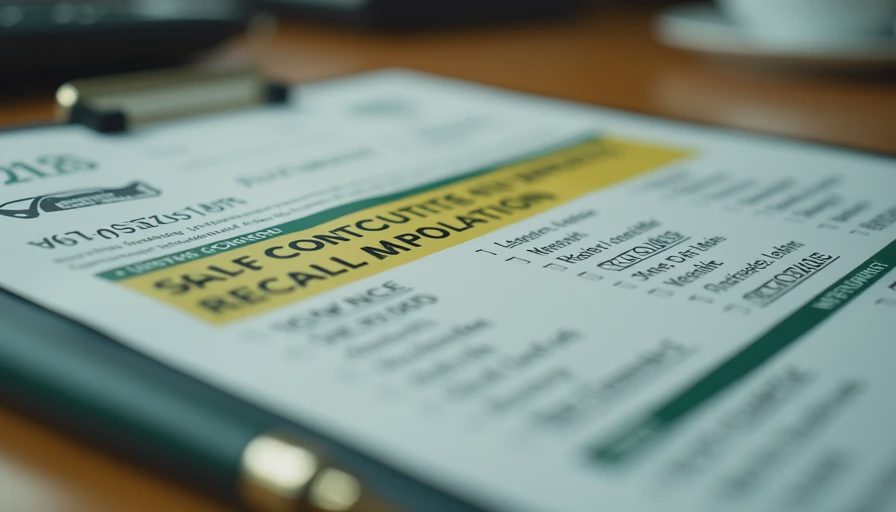
Start with the Vehicle Identification Number. NHTSA’s recall lookup uses the VIN to tell you whether your exact vehicle is open on a campaign, and Ford’s owner site does the same thing. That matters because two Escapes sitting in the same lot can have different build dates, different suppliers, and different recall status. The listing usually includes a recall number, the model years covered, and a short defect description. You are looking for three things: what can fail, how serious it is, and whether the fix is a software update, a part replacement, or both. If the remedy says interim, that means the brand still owes you a final repair later.
This is where the nhtsa ford recall list pays for itself. Instead of relying on a dealer rep reading from a screen, you can see the filing language yourself and compare it with the service appointment notes. If the issue involves a rearview camera, seat belt buckle, steering column, fuel delivery module, or brake software, you do not need a lecture. You need a plan and a repair date.
Why Ford shows up often enough to keep the database busy
Ford sells a lot of high-volume vehicles, and high volume brings a lot of recall exposure. That is simple math, not a conspiracy. The company’s lineup spans body-on-frame trucks, mainstream crossovers, commercial vans, and EVs, which means the parts bin is huge and the supplier chain is even bigger. One bad connector, one calibration miss, or one software logic error can spread across hundreds of thousands of units before the issue is pinned down. That is how a recall can touch an F-150 one month, a Bronco Sport the next, and a Mach-E after that.
A lot of today’s recalls are software heavy, and software recalls can be messy because a fix may require a dealer flash, a module replacement, or a later over-the-air update. In older days, the repair was a wrench and a waiting room. Now it can be a laptop, a service bay, and a second appointment. The upside is that the remedy is usually free. The downside is that parts delays still happen, and dealers are not magic.
What to do once your VIN comes back open
If your vehicle is listed, call the dealer and ask for the recall code and estimated repair time before you drive over. That sounds basic, but it saves a lot of useless mileage. Some fixes take thirty minutes. Others can take half a day if the dealer needs a module, a harness, or a redesigned part. If the issue affects steering, brakes, airbags, or a fire risk, Ford and NHTSA will usually want the vehicle repaired quickly. If the campaign is related to something like a camera glitch or trim issue, the urgency may be lower, but the repair is still worth doing because safety gear tends to fail at the worst possible time.
Keep the repair order when it is done. That paper trail matters if you ever sell the truck, trade the SUV, or need a second shop to verify what was replaced. A clean service history can help on the back end, especially on used Fords where buyers now check recall status before they even talk numbers. Reading between the lines of the press release, that is the real business case for handling recalls fast: less hassle, less depreciation drag, and fewer surprises later.
The difference between a recall and everything else in the file cabinet
A lot of owners lump recalls, service campaigns, and technical service bulletins together. They are not the same animal. A recall is a safety action with a free remedy. A TSB is a repair tip for technicians and does not automatically mean the brand will pay for the fix unless warranty coverage applies. You can have a Ford with no open recalls and still have a drivability complaint that shows up in a bulletin. You can also have a vehicle with multiple recalls, one completed and one still open, which is why the exact VIN matters more than the model badge on the tailgate.
The database helps separate noise from actual exposure. It shows whether the issue is still open, whether the vehicle was already repaired, and whether the remedy is ready. If you are shopping used, run the VIN before you sign. If you already own the vehicle, check again after every major model-year update because recalls can stack up as production changes. Filed under: stories the PR team did not pitch, but the service drive will happily confirm.

Bottom line for Ford owners and shoppers
If you want the short version, use the VIN, read the filing, and book the repair if it is open. That is the entire game. The nhtsa ford recall list is not there to scare you; it is there to tell you whether a specific vehicle needs attention and what Ford has committed to fix. In a market where people will spend thirty minutes debating wheel size and three seconds checking safety status, the recall lookup is one of the few tools that actually saves money and headache at the same time.
For shoppers, the rule is even simpler. A clean VIN is worth more than a shiny detail job. If a dealer says the recall is probably already handled, make them prove it on the record. If you are seeing multiple open items, negotiate accordingly or walk. The database is public for a reason, and in this business, public records beat parking-lot promises every day.


Travellers Write
No letters yet — be the first traveller to write.