nhtsa gov recalls: How to read the federal recall feed without wasting time
NHTSA gov recalls is still the quickest public record for figuring out whether a safety campaign is real, how broad it is, and whether the fix is already available. The site is plain, the search tools are blunt, and that is exactly why it works. If you have spent any time around dealer service drives, you know the federal page is where the paperwork starts, not where the story ends. Here's what we know — and here's what we don't.
What the federal database actually tells you
For nhtsa gov recalls, the headline is simple: the database tracks safety-related defects and noncompliance campaigns that automakers have reported to the federal government. It is not the same thing as a technical service bulletin, which is an internal repair note for technicians. A recall means the manufacturer has identified a safety issue, the government has a record of it, and the remedy is supposed to be free to the owner.
That sounds dry until you are the one with a steering issue, a fuel leak concern, a software glitch that kills the rear camera, or an air bag campaign that has been sitting open for years. The database gives you the campaign number, the affected population, the basic risk, and the remedy description. It also tells you whether the fix is ready or whether parts are still moving through the pipeline, which is often the part that matters most on the service lane.
The smart move is to use the site as a starting point, not a finish line. If the recall is active, call the dealer with the VIN and ask whether the remedy is available today, not in some vague future quarter.
How to search it without wasting a morning
A clean nhtsa gov recalls search starts with the 17-digit VIN, not a guess based on trim level. That matters because a single model line can have multiple build dates, different supplier parts, and different recall exposure. If you only search by year and model, you can miss the campaign that applies to your exact vehicle. The database also lets you search by make and model when you do not have the VIN handy, which is fine for a quick pass and not fine for a purchase decision.
If you are looking at a used car, check the dashboard, the door jamb sticker, and the title paperwork so the VIN matches across all three. That is basic stuff, but it catches more headaches than people admit. I have seen more than one auction sheet or online listing that was loose with the details, and nhtsa gov recalls is unforgiving in the best possible way: if the VIN is wrong, the result is wrong.
One more practical note. Open recall status can change after a dealer visit, after a software update, or after a follow-up campaign expands the affected range. Re-checking before you sign matters more than most people think.

How to read the notice like a service writer
When you open a recall entry, do not stop at the campaign title. Read the defect description, the safety risk, and the remedy language. That is where the useful detail lives. If the notice says the issue can cause a crash, a fire, or a loss of drive power, that is not marketing language. That is the real reason the campaign exists, and it is why dealers and automakers move so fast when the risk is obvious.
A lot of people scan the page and look for a yes-or-no answer. Real life is messier. Some recalls have a software flash that takes an hour. Others need a part replacement that can take a day, a week, or longer if the supplier chain is stretched. Some campaigns ship with an interim fix, then a final remedy later. If the dealer tells you the part is on national backorder, that is not a brush-off. It is usually the same supply problem everyone else is staring at.
This is also where nhtsa gov recalls helps separate a real repair from a promise. If the notice says the remedy is available, you should be able to get a repair order, a parts estimate of zero dollars, and a clear timeline. If a shop tries to charge you for the recall itself, stop there.
Why this matters for used cars, auctions, and EVs
nhtsa gov recalls matters when you are buying used because open campaigns follow the vehicle, not the seller’s mood. A franchised dealer can often close an open recall before delivery, and many do because it is easier than dealing with a complaint later. Private-party sales are looser. That is where a buyer can walk into a deal thinking the price is right and walk out owning somebody else’s unfinished maintenance history.
At auction, the issue is even starker. A car can look clean on a lane sheet and still carry an unrepaired campaign that turns into a service-appointment headache a week later. For EVs, the stakes are different but not smaller. A lot of the recent recall activity has involved battery modules, charging systems, camera software, and control-unit updates. Over-the-air fixes can solve part of the problem, but they do not erase the need to confirm that the recall is actually closed in the federal record.
That is why I keep coming back to nhtsa gov recalls instead of relying on a seller’s assurance. The record is slower than a sales pitch and a lot more useful.
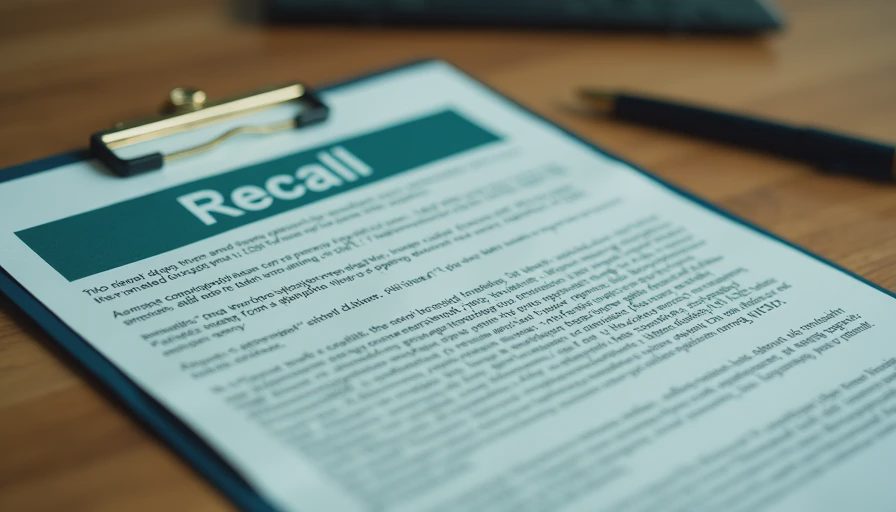
The five checks I would do before I bought, sold, or serviced a car
Start with the VIN and search the record yourself. Then compare the result with the dealer’s service printout, because the database and the shop paperwork should tell the same story. Next, read the campaign summary and the remedy status line, since that tells you whether the fix is available now or whether you are joining a queue. After that, ask the dealer to show you the repair order if the recall is supposedly complete. Finally, save a screenshot or PDF for your records, because paperwork has a way of disappearing right when you need it.
If the vehicle is under warranty, under a recall, or both, the repair should not cost you anything for the recall-related work. If you are told otherwise, ask the service advisor to point to the exact campaign and line item. That usually clears the fog fast. A good dealer will not mind. A sloppy one will suddenly become very interested in the fine print.
If you are shopping, listing a car for sale, or trying to settle a title issue, start with nhtsa gov recalls and keep the printout handy. It is the fastest way to turn a vague safety conversation into something concrete. In this business, concrete is worth more than a polished pitch.


Travellers Write
No letters yet — be the first traveller to write.