The ages for car seats and booster seats are not a simple calendar rule. A child’s height, weight, development, and the limits printed on the seat matter more than a birthday. Here’s what we know — and here’s what we don’t: there is no universal age when every child should move to the next stage. The safest transition is the one that happens only after the current seat is outgrown.
That approach tracks guidance from the American Academy of Pediatrics and the National Highway Traffic Safety Administration. Both emphasize keeping children rear-facing as long as possible, then using a forward-facing harness, followed by a booster until the vehicle’s seat belt fits correctly. State laws establish minimum requirements, not necessarily the safest choice.
Rear-facing seats: start here and stay here
Infants and toddlers should ride in a rear-facing seat from the first trip home. That seat may be an infant carrier, a convertible seat, or an all-in-one model. The key point is orientation, not the marketing label on the box.
The ages for car seats and booster seats often begin with a rough expectation that a child will remain rear-facing through at least age 2, but the better benchmark is the seat’s maximum rear-facing height or weight. Many convertible seats now allow rear-facing use to 40 or 50 pounds, which can keep a toddler in the position well beyond the minimum legal threshold.
Rear-facing seats support the head, neck, and spine during a frontal crash. Never place one in front of an active passenger airbag. Read the vehicle owner’s manual and the child-restraint manual together, because lower-anchor locations, center-seat rules, and allowable installation methods differ by vehicle.
Installation should be tight enough that the seat moves less than an inch at the belt path when tested side to side and front to back. That is a practical check, not a substitute for the instructions. A certified child passenger safety technician can inspect the setup, often through a local public safety program or hospital.
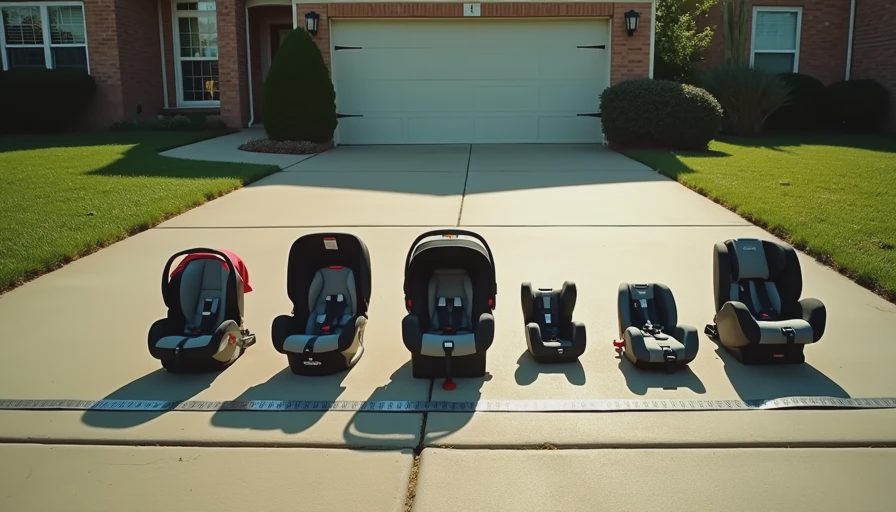
Forward-facing harness seats: the next stage
A child moves to a forward-facing seat only after exceeding the rear-facing limits of the specific restraint. Age 2 is not an automatic switch date. Some children remain rear-facing until age 3 or 4, depending on their growth and the seat’s design.
Forward-facing seats use an internal five-point harness. The harness should sit at or just above the shoulders according to the manufacturer’s instructions, with the chest clip at armpit level. The straps should lie flat against the body. Bulky coats can create slack, so use a thin layer and place a blanket over the harness if the vehicle is cold.
The ages for car seats and booster seats are useful as a planning guide, but harness limits control the decision. Many forward-facing seats accommodate children up to 65 pounds, while some combination seats offer higher limits. Once a child exceeds either the harness height or weight limit, the next step is usually a belt-positioning booster, provided the child can sit correctly for the entire ride.
A child who leans forward, slips the shoulder belt behind the back, or repeatedly unbuckles is not ready for a booster transition. Maturity is part of the safety equipment, even if it does not appear on the product label.
Booster seats and the seat-belt test
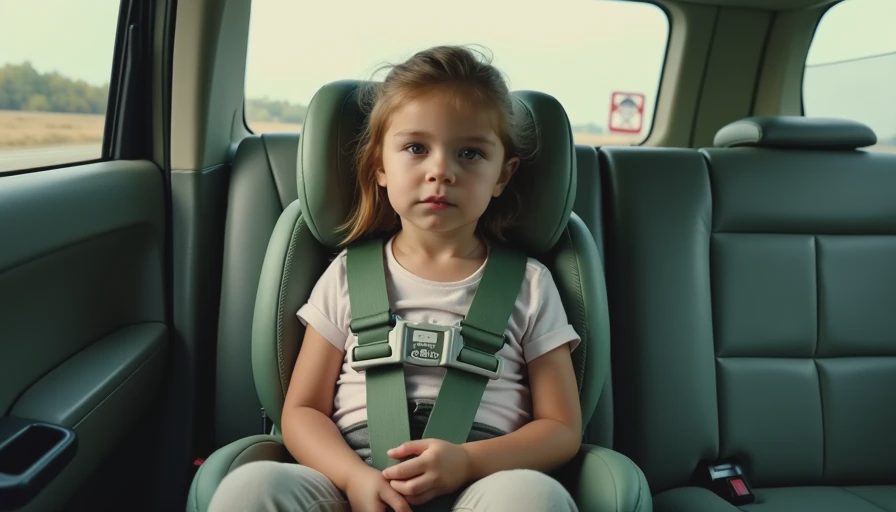
Booster seats raise a child so the vehicle’s lap and shoulder belts cross the strongest parts of the body. The lap belt should lie low across the upper thighs, not the stomach. The shoulder belt should cross the chest and shoulder, not the neck or face. It should never sit behind the back or under the arm.
The ages for car seats and booster seats commonly extend through the elementary-school years. Many children need a booster from around age 5 or 6 until somewhere between ages 8 and 12, but height and belt fit are more reliable than age. A frequently used height reference is 4 feet 9 inches, though some children reach a safe belt fit earlier and others do not.
The five-part belt-fit test is straightforward. A child should sit all the way back against the vehicle seat, keep knees bent naturally at the edge, place both feet on the floor, keep the lap belt low on the thighs, and keep the shoulder belt centered across the chest. The child must maintain that posture for every trip, including a 10-minute ride to school.
If any part fails, continue using a booster. Backless boosters can work when the vehicle provides head support and the seat belt fits properly; high-back boosters can offer belt guides and additional support in vehicles with low seatbacks.
What state laws do — and do not — tell you
Child-restraint laws vary by state. Some specify rear-facing ages, forward-facing requirements, booster ages, or a child’s height. Others use a broader requirement that children be secured in an appropriate restraint. These statutes are minimums, and moving a child as soon as the law permits can leave safety margin on the table.
The ages for car seats and booster seats should therefore be checked against three documents: the state law, the seat manufacturer’s manual, and the vehicle owner’s manual. If those sources appear to conflict, ask a certified technician or contact the manufacturer before changing the setup.
Also check expiration dates and recall notices. Plastic, harness webbing, and padding age over time, and a used seat with an unknown crash history is difficult to evaluate. Registering the seat helps the manufacturer send recall information. Do not use a seat that has been involved in a crash unless the manufacturer specifically confirms it remains acceptable under its replacement guidance.
Choosing a seat for the vehicle you actually drive
A large SUV does not automatically make installation easier. Seat contours, fixed headrests, buckle stalks, and limited second-row space can create problems. Before buying, measure the seating position and confirm whether the seat can be installed with the vehicle belt, lower anchors, or both as allowed by the manuals. Do not use lower anchors and a seat belt together unless the manufacturer expressly permits that configuration.
Families comparing a $150 convertible seat with a $500 premium model should focus first on fit, usable limits, installation clarity, and the child’s ability to remain properly restrained. A less expensive seat installed correctly is safer than a feature-heavy model installed loosely. If a vehicle is frequently used by grandparents or a babysitter, consistency matters too; every caregiver should know how to buckle and tighten the restraint.
The ages for car seats and booster seats also matter when reviewing a household’s transportation plan. A growing child may need a convertible seat now, a booster later, and a different arrangement when another child joins the second row. Planning ahead prevents rushed purchases after a growth spurt or vehicle change.
A short checklist before the next drive
Start by recording the child’s current height and weight, then compare both numbers with the limits on the seat label and manual. Confirm the seat’s expiration date, check for recalls, and inspect the harness for damage. Install it in the position recommended by the vehicle and restraint makers.
Next, run a hands-on check. Test movement at the belt path, confirm the harness is snug, verify the chest clip position, and look for twists in every strap. For a booster, perform the complete belt-fit test and watch whether the child can remain seated correctly without reminders.
The ages for car seats and booster seats should be revisited after a growth spurt, a new vehicle, a move to another state, or a crash. Do not wait for the next birthday to evaluate the setup.
Safe transportation is one part of responsible vehicle ownership. While reviewing your family’s car setup, it is also a good time to compare liability limits, collision coverage, and roadside assistance. A quick auto insurance quote can identify coverage gaps before the next school run or road trip.



Travellers Write
No letters yet — be the first traveller to write.