
The Cadillac Escalade IQ review starts with the obvious headline: GM has taken its most recognizable luxury SUV nameplate and turned it into a very large EV with very large ambitions. That matters because the Escalade is more than a product. It is a profit center, a status symbol, and now a test of whether buyers who love full-size luxury SUVs are ready to go electric without giving up space, presence, or towing muscle. Here's what we know — and here's what we don't. On paper, the Escalade IQ looks like a serious entrant. In the driveway, on the road, and on a charging stop, the details matter more than the press release.
First impression: this is not just an electric Escalade
The first thing to understand in any Cadillac Escalade IQ review is that this is not a lightly electrified version of the gas Escalade. It rides on GM's dedicated EV architecture, which changes the proportions, packaging, and driving character in meaningful ways. The styling still says Escalade from 50 feet away, but the execution is smoother and more aero-minded, with a bluff nose toned down just enough to help efficiency.
Inside, Cadillac is chasing the high-end EV crowd with a wide digital display layout, upscale materials, and the kind of second-row and cargo-room promise buyers in this segment expect. The cabin presentation is clearly aimed above mainstream three-row SUVs and directly at affluent households cross-shopping premium badges. Reading between the lines of the press release, GM also wants this vehicle to say that Cadillac can play in the same conversation as other six-figure electric luxury SUVs without apologizing for being big, American, and unapologetically expensive.
Range, battery, and charging: the numbers buyers will actually watch
Three numbers that explain what's happening: battery size, charging speed, and real-world efficiency. In a Cadillac Escalade IQ review, those matter more than the giant wheel design or the ambient lighting color menu. Cadillac has positioned the Escalade IQ around headline range, and that is the right call for a vehicle this size. Buyers stepping out of a V8 SUV are not interested in making extra charging stops just to preserve the image of effortless travel.
A large battery pack should help this SUV post strong EPA range for the class, and fast DC charging is essential if Cadillac wants road-trip credibility. The challenge is physics. A heavy, tall, full-size SUV can carry a massive pack and still burn through energy quickly at highway speeds, especially with passengers, luggage, and climate control working hard. So yes, the range target is important, but the better question is how much range it keeps at 75 mph, in winter, with real people aboard.
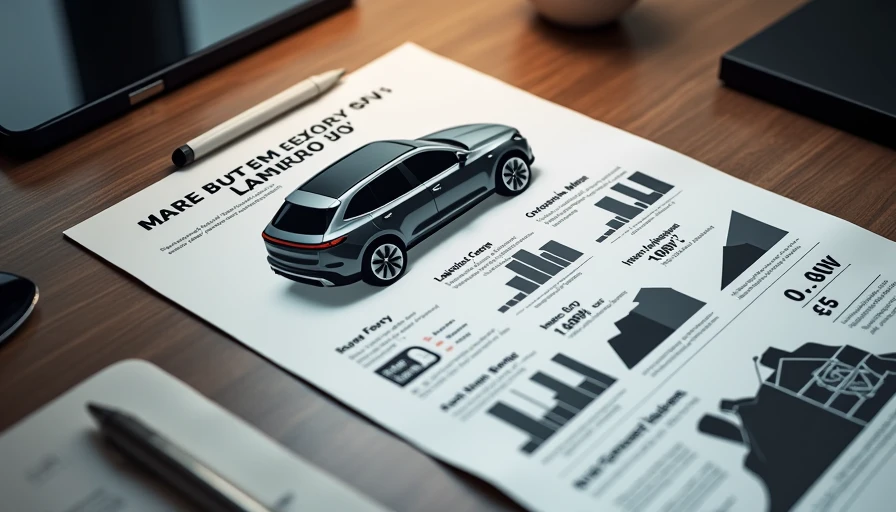
Charging performance also needs to be judged beyond peak numbers. If the Escalade IQ can hold strong charging rates for a useful stretch of the curve, that matters more than a flashy top-end figure that lasts a few minutes. For shoppers comparing premium EVs, that is where the ownership experience becomes either seamless or annoying.
On the road: quiet, quick, and still unmistakably huge
The good news is that a dedicated EV platform should suit a vehicle like this. In most Cadillac Escalade IQ review scenarios, the likely win is refinement. Electric propulsion tends to improve the luxury-SUV brief by delivering instant torque, smooth acceleration, and low-speed silence that a large gas SUV struggles to match. If Cadillac has tuned the suspension well, the Escalade IQ should feel calmer and more substantial than its size suggests.
That does not mean small. This is still a full-size three-row SUV, and drivers will feel that in tight parking decks, narrow suburban lanes, and crowded school pickup lines. Rear-wheel steering and camera systems can help, but they do not repeal dimensions. The likely customer will accept that tradeoff because the Escalade has never sold on restraint.
What matters more is whether Cadillac has matched the serene powertrain with steering and brake tuning that feel natural. That is a recurring EV challenge, especially in heavy vehicles. If the brake pedal calibration is smooth and the body control stays disciplined, the Escalade IQ will feel like a genuine luxury flagship rather than a battery-powered science project wearing a famous badge.
Interior, tech, and practicality: where Cadillac has to earn the price
Luxury buyers at this level are not just paying for screens. They are paying for ease, space, and the sense that every row matters. In that respect, the Cadillac Escalade IQ review comes down to execution. Does the third row fit adults for more than a short hop? Is cargo space usable with all seats occupied? Are the controls intuitive, or is the cabin another monument to touch-sensitive overreach?
Cadillac's recent interiors have improved, and the Escalade IQ needs to feel polished from the front seats to the rearmost cupholder. Materials, seat comfort, sound isolation, and software responsiveness all count. If one screen lags, if a common climate function is buried, or if the second-row experience feels half-finished, buyers notice quickly at this price point.
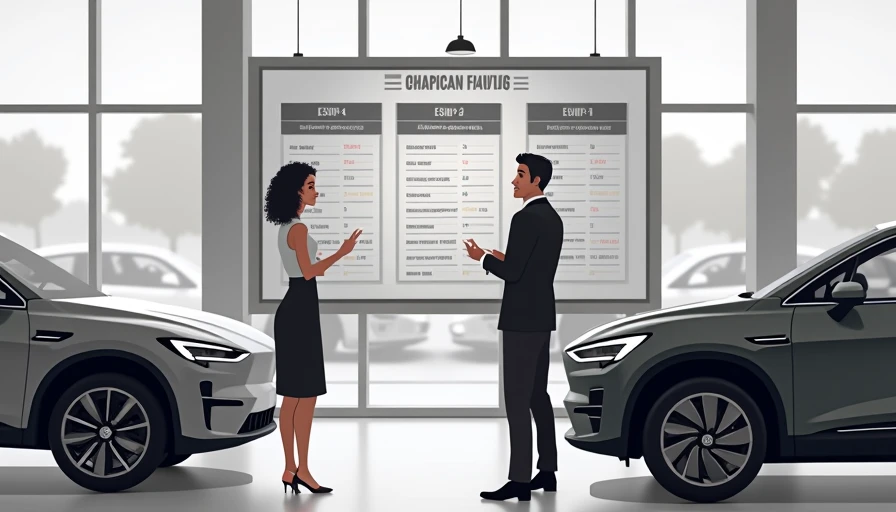
There is also the practical EV angle. Storage solutions, charging-port placement, and route-planning software matter more in an electric SUV than in a traditional luxury truck. A big front trunk, useful second-row access, and dependable infotainment could turn this from an impressive showroom piece into a convincing daily family vehicle.
Towing, pricing, and the market reality check
This is where any Cadillac Escalade IQ review has to stop admiring the spec sheet and ask harder questions. Escalade buyers often tow boats, trailers, or weekend toys. EV torque helps at launch, but towing remains a range test, not a brochure contest. Anyone planning to tow regularly should expect a noticeable drop in range, as with virtually every electric pickup or SUV now on sale.
Then there is pricing. A large, high-content electric SUV from Cadillac is not entering the market as a value play. Expect a six-figure conversation once trims, options, and destination charges are counted. That puts the Escalade IQ into a narrower customer pool: buyers who want size, luxury, and EV status in one package, and who have home charging or reliable access to fast charging.
The upside for Cadillac is clear. If it delivers on range, ride quality, and interior execution, the Escalade IQ could become one of the most persuasive arguments yet that EV adoption does not have to mean downsizing. The risk is equally clear: if software glitches, charging frustrations, or price shock dominate the ownership story, shoppers will keep one foot in the gasoline world.
Final verdict
So here is the short Cadillac Escalade IQ review verdict: the concept makes sense, the hardware looks promising, and the mission is bigger than one model. Cadillac is trying to protect one of its strongest franchises while pushing its luxury business deeper into the EV era. That is the real story.
For buyers, the pitch is straightforward. If you want a three-row luxury SUV with serious presence, strong projected range, and the smoother character EVs naturally deliver, the Escalade IQ belongs on the shortlist. If your priorities are lower price, easier charging logistics, or frequent long-distance towing, the questions get tougher.
My take: this looks less like a gimmick and more like a strategic vehicle Cadillac actually needs. The badge gives it instant attention. The battery and software will decide whether it deserves lasting respect.