
A Chrysler recall affects your vehicle only if its identification number is included in the campaign; the fastest way to find out is to run that 17-character VIN through the National Highway Traffic Safety Administration’s recall lookup or Chrysler’s owner site. A model name and year alone are not enough. Recall coverage can depend on where and when a vehicle was built, which components it received, and whether the repair has already been completed.
A specific new campaign cannot be verified here, so don’t assume a headline describes your vehicle or that a recent list is complete. Here’s what we know — and here’s what we don’t: a VIN search can identify open safety recalls, but the campaign documents and your dealer are needed to establish the remedy and parts status.
How to check a Chrysler recall by VIN
Find the VIN at the base of the windshield on the driver’s side, on the driver’s door-jamb label, or on your registration or insurance documents. Enter it at NHTSA.gov/recalls. Chrysler’s recall lookup is another useful check, particularly when you want to contact an authorized dealer about the repair.
Read each result separately. A vehicle can have more than one open campaign, and a completed repair for one issue does not close another. Save the recall number and the description before calling the service department; those give the dealer a precise starting point.
A clean search result is not proof that every mechanical problem has been fixed. VIN lookup tools generally show unrepaired safety recalls reported by manufacturers, not every service bulletin, warranty extension, or maintenance item. Newly announced campaigns can also take time to appear for individual vehicles. If a notice or a dealer identifies an issue that the lookup does not yet show, ask the dealer to check the VIN and campaign status directly.
What the recall notice actually tells you
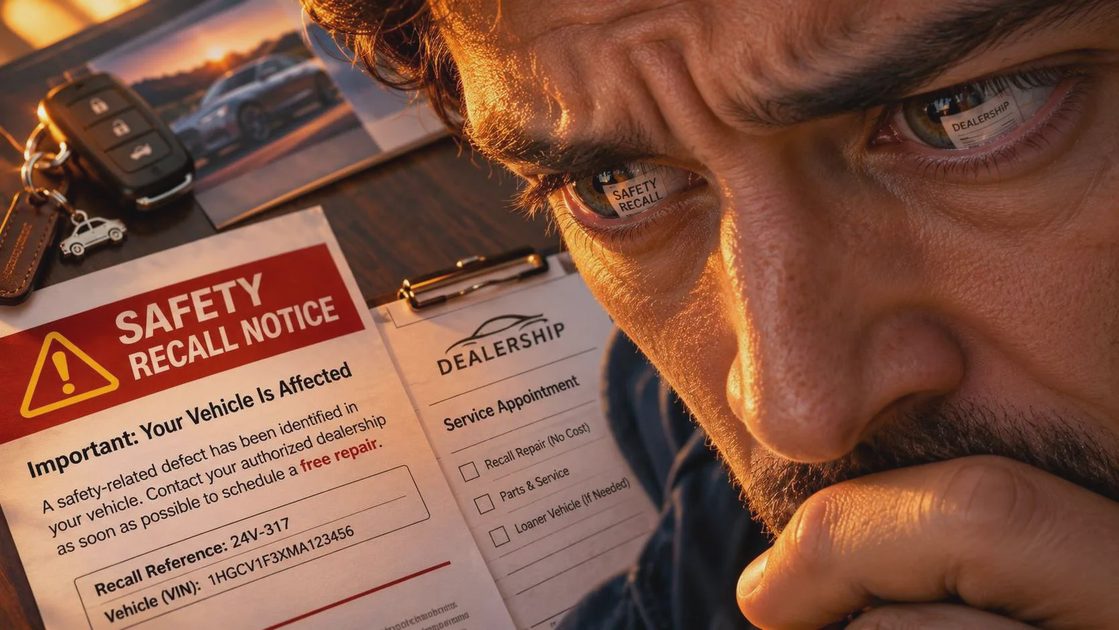
A Chrysler recall notice should identify the affected vehicle, describe the safety defect or noncompliance, explain the risk, and provide instructions for obtaining a remedy. It may also describe warning signs, but the absence of a symptom is not evidence that the vehicle is unaffected.
The NHTSA campaign page can add useful context. Look for the safety recall report and related manufacturer communications. The report typically identifies the affected population, production dates, the suspected cause, and the proposed remedy. Those documents help separate three things that often get blurred in headlines: vehicles potentially covered, vehicles estimated to have the defect, and vehicles already repaired.
Production dates are a screening tool, not a substitute for a VIN check. Two vehicles of the same model and model year may have different suppliers, components, or assembly dates. Likewise, a campaign involving a Stellantis vehicle is not automatically a campaign involving every Chrysler, Dodge, Jeep, or Ram vehicle.
Pay attention to whether the remedy is available. An initial notice may say a fix is under development or that parts are not yet ready. A later notice can provide repair instructions. Until then, follow any interim guidance in the notice, especially restrictions on driving, parking, or charging. Don’t invent your own workaround for a safety defect.
What to do when a repair is available
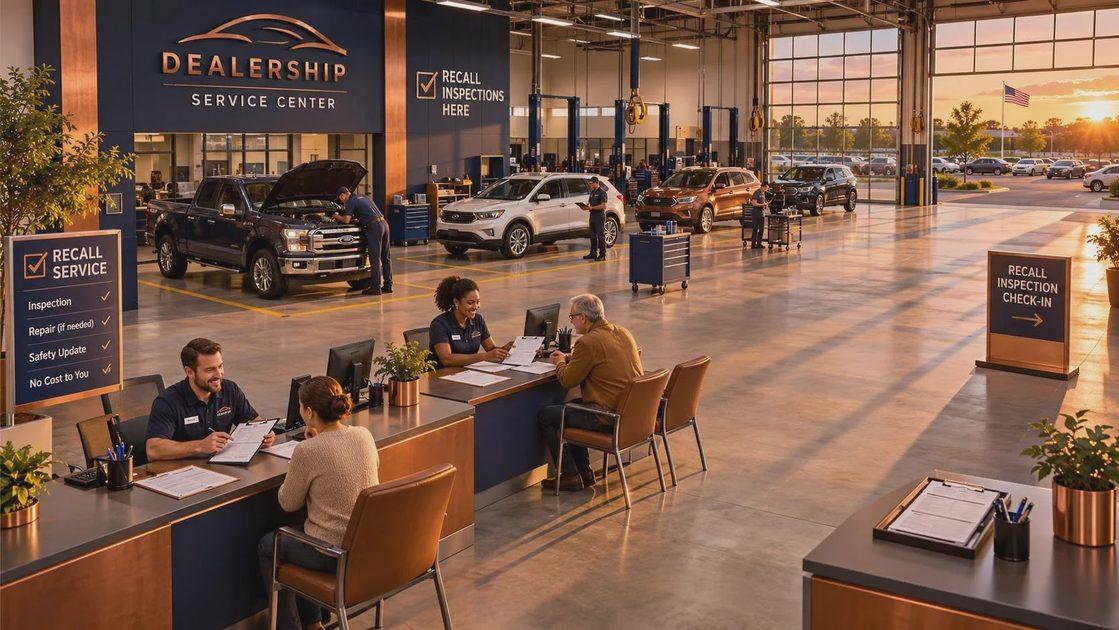
Contact an authorized Chrysler dealer, provide the VIN and recall number, and ask whether the required parts are in stock. Request an appointment and ask how long the vehicle will need to remain at the shop. If the notice describes a serious immediate risk, mention that when scheduling and ask how to comply with any instructions in the notice while awaiting service.
Safety recall repairs are generally performed free of charge at an authorized dealer. Ask the service department to confirm the campaign and document the work on the repair order. Rules and eligibility can differ for older vehicles and particular circumstances, so resolve any proposed charge with the dealer and manufacturer before authorizing work.
If you paid for a repair related to the defect before the recall was announced, keep the invoice and proof of payment. Recall documents may explain reimbursement eligibility and how to submit a claim. Prior payment does not automatically guarantee reimbursement; the repair, timing, and documentation matter.
Once the work is complete, retain the final invoice even if the balance is zero. The online record may not update immediately. If it still shows an open campaign after a reasonable processing period, contact the dealer and ask it to verify that the repair was submitted under the correct VIN and recall number.
When parts are unavailable or the dealer cannot help
For a Chrysler recall without a ready remedy, ask the dealer what the manufacturer has authorized in the meantime and how you will be notified when parts arrive. Don’t assume a loaner, rental reimbursement, or towing is included; ask whether any assistance applies to your situation and get the terms before incurring a cost.
If a dealer cannot schedule the work, contact another authorized dealer. You can also contact Chrysler customer care using the information in your notice or on its official owner site. Keep a record of the campaign number, dates, and the answers you receive. That paper trail matters if the delay becomes a dispute.
NHTSA accepts vehicle safety complaints and can help direct owners dealing with recall problems. A complaint is not the same thing as a repair appointment, and it does not automatically open a new recall. It does, however, give the agency a record of the issue you experienced.
Buying or selling a vehicle with an open campaign
Run a Chrysler recall search before buying a used vehicle, including one sold privately. Ask for repair records and verify the VIN yourself rather than relying on a seller’s statement that the vehicle is clear. If a remedy is available, arrange for completion before taking a long trip or depending on the car for daily use.
If the campaign has no available fix, read the interim instructions before deciding whether the vehicle fits your needs. An open recall is not necessarily a reason to reject a vehicle, but an unresolved safety risk and an uncertain parts timeline belong in the buying decision. Sellers should disclose the notice and pass along any repair documentation; the buyer can then confirm the status independently.
Travellers Write
No letters yet — be the first traveller to write.