A damaged glass roof is more than an irritating rattle. It can leak, shatter, detach, or interfere with visibility, depending on the failed component and the vehicle's design. If you are searching for a ford moonroof recall nhtsa record, the fastest route is to verify the vehicle identification number rather than rely on a forum post or a generic model-year list.
The National Highway Traffic Safety Administration maintains the federal recall database, while Ford provides owner notices and dealer repair information. Those sources work together, but neither replaces a VIN search. A recall can cover only certain production dates, roof configurations, or vehicles built at specific plants. Two nearly identical Ford Explorers, Fusions, Escapes, or Mustangs can have different recall status.
What a Ford moonroof recall usually involves
A moonroof recall may concern the glass panel, mounting hardware, a wind deflector, drain system, shade, motor, wiring, or the surrounding roof structure. The word “moonroof” is often used broadly, even though a fixed panoramic roof and a powered sliding panel have different parts and failure modes.
The safety question is the key issue. A recall exists because Ford and federal regulators determine that a safety defect or noncompliance affects a defined group of vehicles. A service campaign, customer satisfaction program, or technical service bulletin is different. Those programs can address a known noise, water leak, or difficult operation without meeting the legal threshold for a safety recall. They may also have different coverage rules and expiration dates.
That distinction matters when reviewing a ford moonroof recall nhtsa result. A complaint describes an owner's experience. A recall notice identifies a formal remedy. A technical bulletin gives technicians a repair procedure. They are useful clues, but they are not interchangeable documents.
How to run the NHTSA and Ford VIN checks
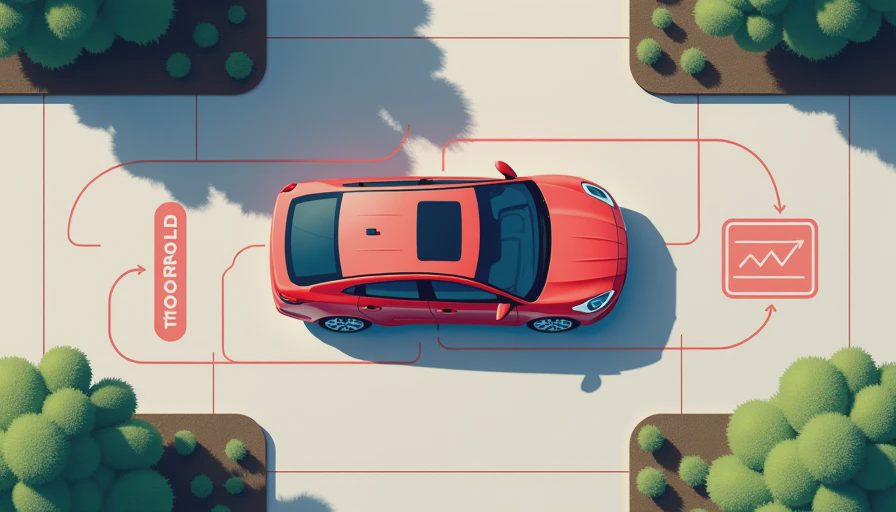
Start with the 17-character VIN. It appears on the driver's-side dashboard near the windshield, the driver's door-jamb label, registration paperwork, and often the insurance ID card. Enter it into NHTSA's vehicle recall lookup tool and compare the results with Ford's owner support recall page.
Read the notice instead of stopping at the campaign number. Confirm the affected model, model year, build range, component, defect description, consequence, and remedy. A result that mentions the vehicle but not the moonroof may be unrelated to the roof system. Search the NHTSA recalls and complaints database by year, make, and model only as a secondary step.
Ford dealers can also run an internal VIN search. Ask for the recall number, repair parts status, and whether the remedy is currently available. Recall repairs are generally performed without charge by an authorized dealer. If parts are backordered, request a written estimate of the expected repair timing and ask whether Ford has issued interim driving guidance.
For a ford moonroof recall nhtsa search, save screenshots or print the notice. Keep the VIN, campaign number, dealer notes, photographs, and repair order together. That paper trail becomes useful if the same defect returns or if you later sell the vehicle.
What to do if the moonroof is leaking, stuck, or cracked
Treat water intrusion seriously. Moisture can damage headliner fabric, seat belts, airbags, electrical connectors, and cabin electronics. Do not operate the roof repeatedly to “see if it clears up.” If glass is cracked, cover the opening temporarily with weather-resistant material without pressing on the panel, and keep passengers away from loose fragments.
Call the dealer before authorizing a glass shop to remove the roof assembly. An independent shop may be appropriate for ordinary glass damage, but removing a panoramic roof can affect seals, drain routing, trim clips, and calibration. If an active recall covers the defect, an unauthorized repair can complicate reimbursement even when the underlying problem is legitimate.
A recall does not automatically make every related repair free. For example, a dealer may repair the recalled mounting defect while separately quoting damage caused by a collision, vandalism, neglected drain blockage, or an unrelated cracked panel. Ask the service adviser to separate recall work from customer-pay work on the repair order.
If the roof is opening unexpectedly, shedding glass, or allowing substantial water inside, avoid highway driving until a technician assesses it. A short trip to a nearby dealer is one thing; continuing a long commute while hoping the mechanism behaves is another.
How insurance fits into a moonroof problem
Auto insurance and a safety recall address different risks. Comprehensive coverage often applies to sudden, non-collision damage such as hail, falling objects, theft, vandalism, or some forms of glass damage, subject to the policy deductible. It generally does not replace a free manufacturer recall remedy or pay to correct a design defect.
Collision coverage can apply when a crash damages the roof. Liability coverage pays for injury or property damage you cause to others; it does not repair your own moonroof. A warranty, recall, or dealer goodwill program may be the better path when the failure traces to manufacturing or assembly.
Before filing a claim, obtain the NHTSA notice and the dealer's diagnosis. A $500 comprehensive deductible can make a small repair uneconomical, while a large panoramic-roof assembly can quickly reach several thousand dollars. Do not assume a claim is required simply because the roof is expensive. First establish whether Ford is responsible.
Your insurer should receive accurate information if a claim is filed. Misstating the cause as storm damage or collision damage can create problems during claim review. If the issue began after a documented recall repair, provide both the old and new repair orders.
Reading complaints without confusing them with proof
NHTSA complaints are valuable for spotting patterns: repeated leaks, shattered glass, failed shades, broken tracks, or dealers declining a repair. They are not, by themselves, a finding that Ford violated a safety standard. Complaint volume also needs context because popular models naturally generate more reports than low-volume vehicles.
When reviewing a ford moonroof recall nhtsa listing, look for the chronology. Did the owner report the issue before a recall? Did the failure happen while parked or driving? Was there a storm, impact, aftermarket tint, roof rack, or prior glass replacement? Those details help distinguish a manufacturing issue from external damage.
Photos should show the roof from inside and outside, the VIN label, warning messages, and any visible cracks or displaced trim. Do not edit the images in a way that removes dates or damage details. A concise complaint with a repair invoice is more useful than a long account built around speculation.
The practical checklist for owners
Confirm the VIN and run both NHTSA and Ford searches. Record every open recall and its remedy status. Call an authorized dealer and describe the symptom precisely, including leaks, wind noise, loose glass, shade movement, or electrical failure. Ask whether the vehicle is safe to drive and whether parts are available.
Next, inspect the cabin after rain without operating the roof. Photograph wet headliner areas and note the date. Check whether your policy includes comprehensive glass coverage and identify the deductible, but do not file a claim before learning whether the condition is recall-related. Keep receipts for towing, temporary protection, and diagnostic work.
Finally, confirm completion before leaving the dealer. The repair order should identify the recall campaign, parts installed, and any remaining concern. Recheck the roof for leaks after the first substantial rain and report recurring trouble promptly.
Here's what we know — and here's what we don't: a search result alone cannot determine whether your particular roof is unsafe. A VIN-specific notice, a qualified inspection, and a clear repair record can. If your search for ford moonroof recall nhtsa information turns up an open campaign, schedule the free recall repair before the next road trip, not after the first storm.

Travellers Write
No letters yet — be the first traveller to write.