The 2020 Kia Telluride arrived as a serious three-row contender, not another bargain-bin crossover wearing a large grille. For used-vehicle shoppers, the 2020 kia telluride still offers strong road manners, useful space, and a relatively modern cabin. The insurance question is less glamorous but just as important: trim, location, driving record, repair costs, mileage, and coverage choices can move the premium substantially.
What the 2020 Kia Telluride brought to the market
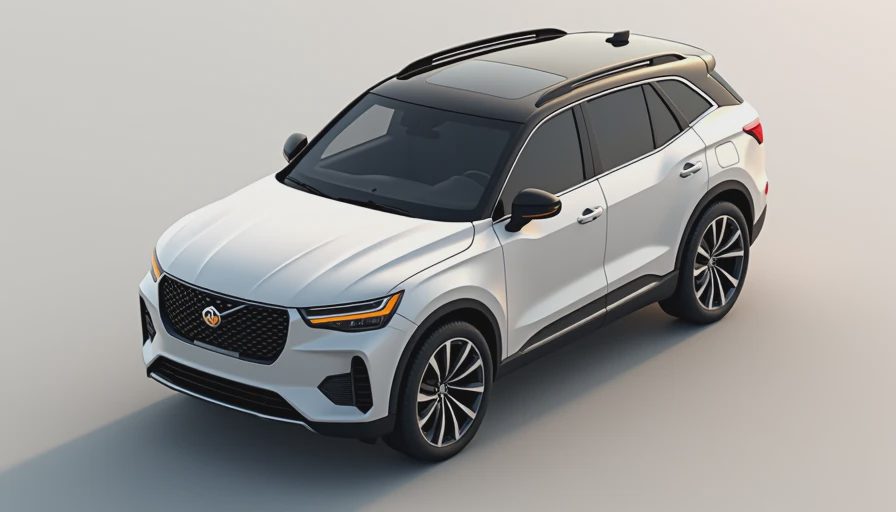
Kia launched the Telluride for the 2020 model year with a 3.8-liter V6 producing 291 horsepower and an eight-speed automatic transmission. Buyers could choose front-wheel drive or all-wheel drive, along with seven- or eight-passenger seating depending on the second-row configuration. That combination made the 2020 kia telluride a practical alternative to the Honda Pilot, Toyota Highlander, Ford Explorer, and Subaru Ascent.
The formula was straightforward: upright styling, generous passenger room, a comfortable ride, and enough engine for highway merging with a loaded cabin. Trim levels ran from the well-equipped LX through S and EX to the upscale SX. Higher trims added features such as a larger touchscreen, heated and ventilated seats, a surround-view camera, premium audio, and more advanced driver assistance hardware.
The vehicle was not engineered as an off-road specialist. Its strengths are family transport, long-distance cruising, and towing capability when properly equipped. The official maximum tow rating can reach 5,000 pounds with the appropriate equipment, while some configurations are rated lower. Buyers should verify the exact door-jamb label and equipment package rather than relying on a generic online listing.
Safety equipment and insurance implications
Safety equipment can influence how an insurer evaluates a vehicle, but it does not guarantee a lower rate. The 2020 kia telluride came with standard driver-assistance features including forward collision warning, automatic emergency braking, lane-keeping assistance, and a driver-attention warning system. Blind-spot monitoring and rear cross-traffic alert were available on certain trims or packages.
Those features can help reduce crash risk, yet insurers price the entire claim picture. A three-row SUV carries more mass, more repairable sensors, and often a higher replacement value than a compact sedan. A cracked bumper may involve radar sensors, cameras, brackets, calibration, and paint work rather than a simple plastic cover. That complexity can raise collision claim costs even when the vehicle has a strong safety reputation.
For a used 2020 kia telluride, comprehensive and collision coverage are usually worth comparing if the vehicle still has meaningful market value or is financed. Collision pays for damage from a crash after the deductible. Comprehensive addresses non-collision losses such as theft, hail, falling objects, and animal strikes. Liability coverage protects others when the policyholder causes an accident and is required at minimum levels set by the state.
Used pricing, trims, and replacement cost
A used Telluride’s insurance premium depends partly on the trim. An LX with front-wheel drive generally represents less insured value than a loaded SX with all-wheel drive, premium equipment, and a higher original sticker price. The difference is not always dramatic, but it can affect both the premium and the cost of a total-loss settlement.
Ask for quotes using the exact vehicle identification number when possible. “Telluride SUV” is not enough if the vehicle is an SX Prestige with optional equipment. A VIN-based quote can also expose differences in body style, safety systems, prior damage, and vehicle history. Progressive, GEICO, State Farm, Allstate, and regional carriers may rate the same vehicle differently because each company weighs territory, claims history, credit-based insurance information where allowed, and driving records through its own model.
A reasonable shopping exercise is to compare a $500 collision deductible with a $1,000 deductible. The higher deductible can reduce the premium, but it leaves the owner responsible for more after a covered loss. If a driver has little emergency savings, the cheaper monthly price may not be the better financial choice.

Recalls, service history, and VIN checks
The 2020 kia telluride is now old enough that condition matters as much as the original window sticker. Before buying, run the VIN through the National Highway Traffic Safety Administration recall database and ask a Kia dealer to confirm open campaigns. Recall status can change as manufacturers add remedies, and a vehicle history report will not always tell the full service story.
Inspect the tires, brakes, windshield, suspension, and underbody. A set of four tires can cost roughly $700 to $1,200 depending on size and brand. Brake work can add several hundred dollars per axle, while damaged wheels or missing sensors create extra expense. These are ownership costs, not automatically insurance claims, but they matter when calculating the real purchase price.
Look for evidence of regular oil changes and transmission service where recommended. Check whether the power liftgate, climate controls, infotainment screen, parking sensors, and driver-assistance alerts work correctly during the test drive. A warning light that disappears before the appointment is not a repair record. It is a reason to scan the vehicle professionally.
How to shop for coverage before purchase
Start with the vehicle price, then estimate annual miles and the drivers who will use it. A household with a clean record and moderate mileage might see a very different quote from a household with a youthful driver, a recent ticket, or an urban garaging address. Bundling an auto policy with homeowners or renters insurance can reduce the combined bill, although the best result still requires comparing the total price and coverage limits.
Request quotes with the same liability limits, medical payments or personal injury protection selection, uninsured motorist protection, comprehensive deductible, and collision deductible. Comparing a bare-minimum policy against a full-coverage policy does not reveal which insurer is cheaper; it only compares different products.
Ask about rental reimbursement, roadside assistance, original-equipment replacement parts, and glass coverage. These options can be useful after a claim, but they add cost. If the Telluride is financed, the lender will typically require comprehensive and collision until the loan is paid off.
Is the 2020 Kia Telluride still a smart buy?
The 2020 kia telluride remains compelling when its service history is clean, its recall work is complete, and its price reflects current mileage. Its strengths are clear: a strong V6, roomy seating, a quiet ride, useful standard safety technology, and a cabin that does not feel like an apology for buying used.
The weak points are equally practical. Fuel consumption is higher than in smaller crossovers, replacement parts and sensor calibration can be costly, and a neglected example can erase the value of a low purchase price. Insurance should be quoted before signing, not after the dealer has already collected a deposit.
Here's what we know — and here's what we don't: the badge alone cannot predict the premium. Get the VIN, verify the vehicle history, check open recalls, compare at least three insurers, and price realistic deductibles. That process turns the 2020 kia telluride from an attractive listing into a purchase decision grounded in actual ownership costs.


Travellers Write
No letters yet — be the first traveller to write.