The right car seat for 3 year old passengers is less about a trendy label and more about fit, installation, and staying within the seat's limits. At this age, most children still need a forward-facing seat with an internal five-point harness, while some can safely remain rear-facing if they have not reached the seat's rear-facing height or weight limit. Here's what we know — and here's what we don't: there is no single best seat for every vehicle or child.
Start with the child, not the marketing copy
A three-year-old's age is only one part of the decision. Check the child's height, weight, torso length, and maturity. A child who can sit correctly for an entire trip still needs a restraint designed for that stage. Booster seats are generally intended for children who have outgrown a harness and can sit upright with the vehicle's lap-and-shoulder belt positioned correctly. Many three-year-olds are not ready for that transition.
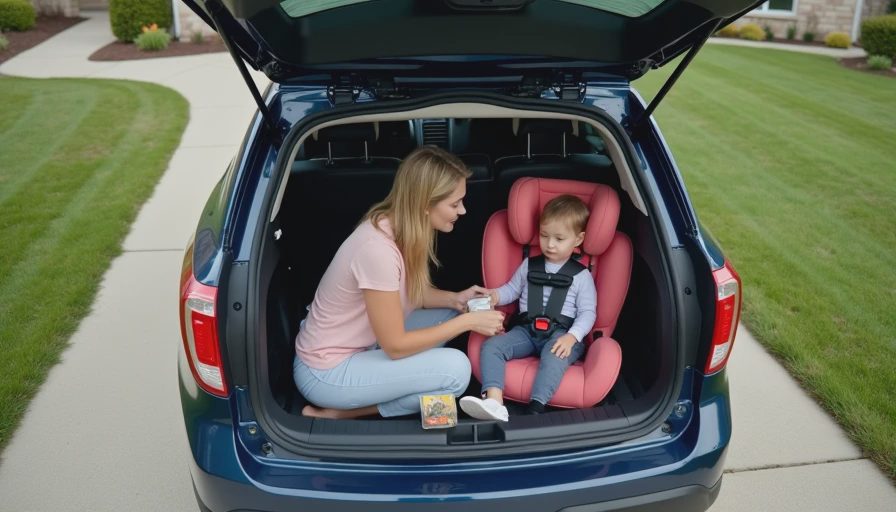
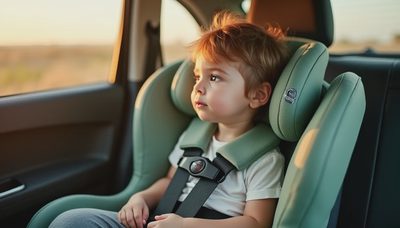
For a car seat for 3 year old children, the five-point harness should sit snugly across the shoulders and hips. The chest clip belongs at armpit level, and the harness should pass through slots at or above the shoulders when the child rides forward-facing. Remove bulky coats before buckling; use a thin layer or blanket over the secured harness instead. The buckle should not be twisted, and you should not add aftermarket padding unless the manufacturer specifically approves it.
Rear-facing travel remains worth considering when the child fits the seat's limits. The American Academy of Pediatrics recommends keeping children rear-facing as long as possible within the seat's stated limits. That advice is not a demand to buy an expensive rotating model. It is a reminder that a seat's printed instructions matter more than a neighbor's upgrade story.

Installation is where good intentions usually fail
A technically capable car seat can still provide poor protection if it moves too much or is routed incorrectly. Read both the vehicle owner's manual and the seat manual before installing. They identify approved lower-anchor positions, tether points, seat belt paths, and whether a center position is allowed. The lower anchors are not automatically safer than a seat belt; a properly installed method is the goal.
For a forward-facing car seat for 3 year old riders, always use the top tether when the vehicle and seat permit it. The tether limits forward movement in a crash. Pull the harness tight enough that you cannot pinch slack at the shoulder, then check the seat at the belt path. It should not move more than about one inch side to side or front to back when tested there. Movement at the top of the shell is normal; movement at the belt path is the concern.
Installation appointments can be useful, but do not assume every hospital, police station, or retail store offers certified checks. NHTSA's child passenger safety resources can help locate inspection options, and many certified technicians will explain the installation rather than simply tighten the seat for you. A ten-minute inspection can expose a twisted belt, an unused tether, or a recline angle that looks fine but is not permitted.
Models worth comparing in the real world
The Graco Extend2Fit is often considered by families who want extended rear-facing capacity without moving immediately into a premium price bracket. The Chicco NextFit is known for guided installation features and a broad recline range. The Britax One4Life targets buyers who want a longer-use convertible design, while the Evenflo Revolve line appeals to shoppers who prioritize rotation for loading and unloading. These are starting points, not automatic endorsements.
A practical car seat for 3 year old use should fit the vehicle's rear bench, leave room for the front passenger, and work with the family's routine. A $180 convertible that is installed correctly is a stronger choice than a $500 model that cannot sit securely behind a tall driver. Measure the available space, especially in compact cars, small electric vehicles, and three-row SUVs where second-row width varies more than showroom photos suggest.
Prices commonly range from roughly $150 to $400 for mainstream convertible seats, with rotating or premium models often higher. Check the expiration date, return policy, and recall status before purchase. Avoid a used seat if its crash history, expiration date, or parts are unknown. Replacement harnesses, covers, and padding should come from the manufacturer, not an online marketplace with uncertain sourcing.
Safety choices can affect insurance conversations
Auto insurance does not usually offer a standard discount simply because a family buys a particular child restraint. The bigger financial issue comes after a crash. A damaged car seat should generally be replaced, even when visible damage is absent. Some insurers reimburse replacement after a covered collision, but the policy language, deductible, and claim circumstances control the result.
That is why it helps to photograph the seat, model label, serial number, and purchase receipt when it is new. Store the manual in the vehicle or save a digital copy. If a collision occurs, tell the claims representative that a child seat was installed and ask what documentation is required. Do not promise yourself a payment before reviewing coverage; collision claims can involve a deductible, and replacement rules differ among insurers.
The same documentation habit helps when comparing coverage. Progressive, GEICO, State Farm, Allstate, and regional carriers price policies using factors such as location, driving record, vehicle, mileage, coverage limits, and deductible. A higher liability limit can matter more to a family budget than chasing a small safety-feature discount that may not exist. Get quotes with the same limits so the comparison is real, not just a lower number on a thinner policy.
A final pre-drive checklist
Before the first trip, confirm that the seat is approved for the child's direction of travel and size. Verify the recline position, route the belt or lower-anchor strap exactly as shown, and attach the top tether for forward-facing installation. Buckle the child without a winter coat, place the chest clip at armpit level, and check for harness slack at the collarbone.
Then inspect the vehicle itself. Make sure the seat does not interfere with an active front passenger airbag, fold-down seat, or access to another restraint. If three car seats share a row, test all three positions with the doors closed and the front seats adjusted as they will be during daily driving. Convenience matters because a seat that is difficult to buckle often gets used incorrectly when everyone is late.
The best car seat for 3 year old travel is the one that fits the child, fits the vehicle, and can be installed correctly every time. Buy based on measurable limits and usable design rather than influencer hype, document the purchase for your records, and compare auto insurance with coverage limits that protect the whole household. That is the unglamorous answer, but safety rarely needs a press release.

Travellers Write
No letters yet — be the first traveller to write.