A gm vehicles recall is not just a headline for owners to skim past. It is a formal safety action involving a specific defect, a defined population of vehicles, and a remedy that General Motors is required to provide at no charge. The difficult part is separating a broad model reference from the question that matters: Is your vehicle actually involved?
Here's what we know — and here's what we don't. A recall announcement can name thousands of Chevrolet, Buick, GMC, or Cadillac vehicles, but model year, production date, trim, and equipment often determine whether a particular SUV or truck is affected. Owners should verify the vehicle identification number, or VIN, before assuming the news applies to their driveway.
Start with the VIN, not the headline
The 17-character VIN is the most reliable way to check a gm vehicles recall. You can find it on the driver's-side dashboard through the windshield, on the driver's door-jamb label, and on registration or insurance documents. Enter it into the official GM recall lookup tool and the National Highway Traffic Safety Administration's recall database. Both resources can show whether a safety campaign remains open for that vehicle.
A model-level article is useful for awareness, but it is not a final diagnosis. For example, a recall involving Chevrolet Silverado pickups could cover only certain model years or a particular batch of brake components. The same logic applies to a GMC Acadia, Cadillac Lyriq, Buick Envision, or Chevrolet Bolt EV. A vehicle built before or after the affected production run may be clear even when its name appears in every news alert.
If the lookup returns an open campaign, save the recall number and read the remedy description. A dealer normally performs the specified repair without charging for parts or labor. Call ahead before driving across town; parts availability and technician scheduling can turn a supposedly simple visit into a longer wait.
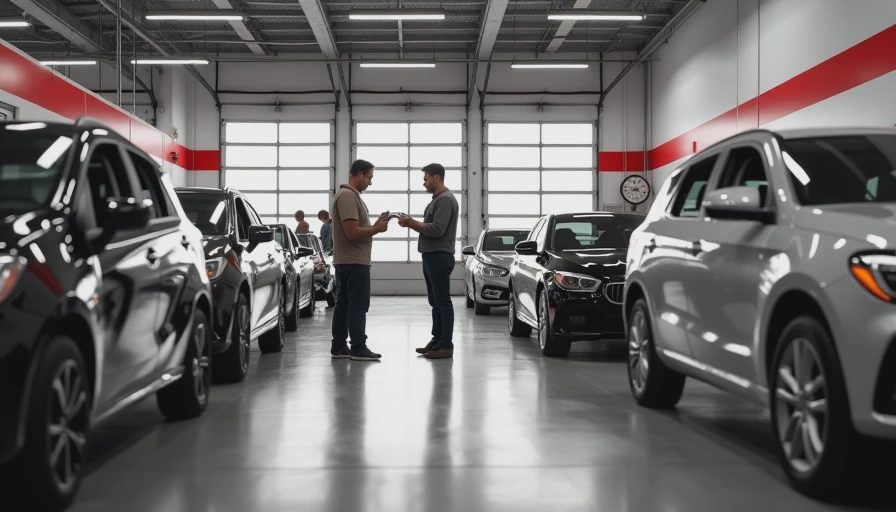
What the recall notice actually tells you
A gm vehicles recall notice usually identifies the defect, the safety consequence, the affected population, and the planned remedy. It may also include a risk description such as increased crash potential, fire risk, loss of propulsion, steering difficulty, or reduced braking performance. Those phrases are not interchangeable, and the recommended driving response depends on the defect.
Some notices say owners should stop driving immediately. Others advise parking outdoors, avoiding charging, reducing vehicle use, or contacting a dealer promptly. Follow the official instruction rather than guessing from social media posts or owner-forum anecdotes. If a notice involves smoke, fire, fuel leakage, or a severe loss of control, move away from the vehicle and contact emergency services when appropriate.
The recall remedy is also important. A software update may take less than an hour, while a replacement harness, airbag component, fuel-system part, or battery-related repair could require more time. Dealers may need to inspect the vehicle first. Keep the repair order after service; it documents the completed campaign and can help with future sale or trade-in questions.
Recall notices sometimes arrive months after an owner first experiences a symptom. That does not automatically prove the vehicle caused a specific incident. Keep photographs, invoices, tow records, and diagnostic paperwork, then report safety concerns through NHTSA or GM's customer channels. A clear paper trail is more useful than a dramatic post with no dates or documentation.
Recall, service bulletin, or warranty repair?
A gm vehicles recall is different from a technical service bulletin, commonly called a TSB. A recall addresses a safety defect or a failure to meet a federal safety standard and generally carries a free remedy for affected vehicles. A TSB gives dealership technicians diagnostic or repair guidance for a recurring issue; it does not automatically mean every owner receives free work.
Warranty coverage is another category. A defective component might qualify for warranty repair if the vehicle is within the applicable time and mileage limits, even when no recall exists. Conversely, a recall remedy usually remains tied to the campaign and the affected VIN, not to a general promise that GM will repair every related complaint forever.
Reading between the lines of the press release matters here. A company may announce a recall while regulators continue investigating related complaints. That does not establish additional defects, and it does not mean every similar symptom has the same cause. Look for the NHTSA campaign number, filing date, remedy status, and owner notification timeline.
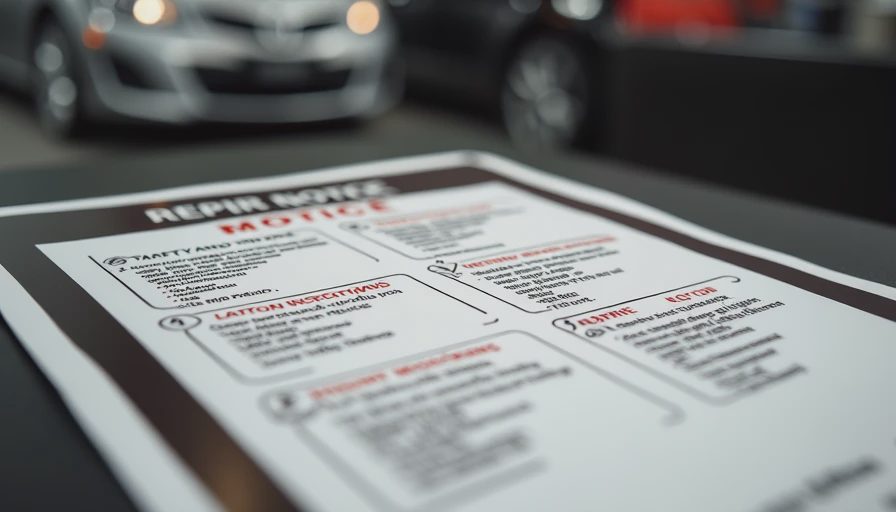
What owners should do before visiting a dealer
Use this short process after finding an open gm vehicles recall:
- Write down the VIN, recall campaign number, and the wording of the safety instruction.
- Check whether the vehicle is safe to drive, needs limited use, or should be parked.
- Contact an authorized GM dealer and describe the campaign, symptoms, and warning lights.
- Ask whether the remedy parts are in stock and how long the appointment should take.
- Remove personal items before service and request a completed repair order.
- Confirm the campaign shows as closed in the GM owner account or recall lookup after the work.
Do not pay an independent shop to perform a recall remedy that an authorized dealer is required to provide at no cost. An independent mechanic can still help with unrelated maintenance or an urgent diagnosis, but the official campaign repair should be documented by the GM network.
How a recall can affect ownership costs
A recall does not automatically raise a driver's insurance premium. Auto insurers generally price coverage using factors such as driving history, location, vehicle characteristics, claims history, and selected limits. However, ignoring a serious defect can create practical and financial trouble. A collision involving a known unresolved safety issue could lead to difficult questions about maintenance, causation, or whether the driver followed an official stop-drive instruction.
Comprehensive and collision coverage can address covered damage under the policy, subject to deductibles, but insurance is not a substitute for a recall repair. Liability coverage protects against covered damage or injuries a driver causes to others; it does not repair a known mechanical defect in the owner's vehicle. Compare quotes after major vehicle changes, but do not cancel needed coverage because a manufacturer campaign is pending.
When a recall involves an electric vehicle, battery system, charging equipment, or high-voltage components, use only the instructions supplied by GM and the dealer. Do not improvise a battery repair in a home garage. The cost of a professional repair is one thing; an avoidable fire or damaged charging system is another.
The practical takeaway for GM owners
The useful response to a gm vehicles recall is quick verification, not panic and not dismissal. Check the VIN through GM and NHTSA, read the remedy and driving instructions, schedule the authorized repair, and retain the paperwork. That process works whether the vehicle is a decades-old Chevrolet sedan, a full-size GMC pickup, or a new Cadillac EV.
Three numbers explain what's happening: the VIN identifies the vehicle, the campaign number identifies the defect, and the dealer repair order confirms the remedy. Keep all three together. If the database shows no open campaign, continue checking occasionally and maintain the vehicle according to its owner manual. Recall coverage can change as investigations develop and additional filings appear.
Auto news moves faster than dealership parts counters. The best owner is not the one who memorizes every alert; it is the one who verifies the information and acts on the actual vehicle in the garage.

Travellers Write
No letters yet — be the first traveller to write.