A Kia recall is not automatically a reason to panic, but it is a reason to stop guessing and check the vehicle identification number. Recalls can involve anything from a software update to a fire risk, and the remedy, deadline, and driving guidance depend on the specific campaign. Here's what we know — and here's what we don't: a headline about a model does not prove that every vehicle in that model line is affected.
Start with the VIN, not the model name
The most reliable first step is the National Highway Traffic Safety Administration's recall lookup tool at NHTSA.gov. Enter the 17-character VIN, usually visible through the windshield on the driver's side or on the registration card. Kia also provides owner support and recall information through its official website and dealer network.
A Kia recall notice typically identifies the affected model years, the defect, the potential safety consequence, and the planned repair. It can also list a remedy that is not yet available. That distinction matters. An open campaign with parts in stock is a scheduling problem; a recall awaiting a remedy can require different instructions, including parking outside or avoiding certain charging equipment. Do not rely on a social-media screenshot when the VIN lookup is available.
If a used vehicle is under consideration, run the VIN before paying a deposit. A dealer may disclose an open recall, but an independent check gives the buyer a paper trail and a clearer negotiating position. Recall repairs are generally performed at no charge by an authorized dealer, even when the vehicle is outside its basic warranty.
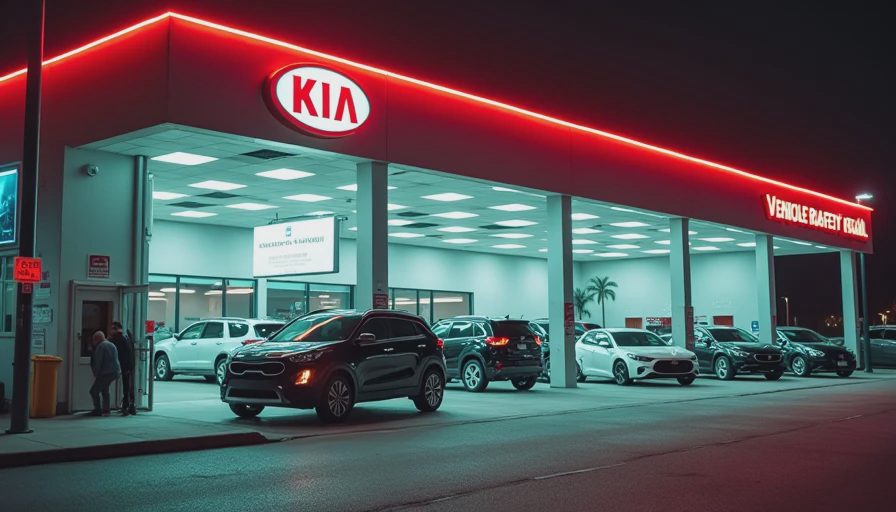
What a Kia recall can mean for your daily drive
The practical question is not simply whether a Kia recall exists. It is whether the vehicle is safe to operate before the repair. Some notices describe a condition that only appears under narrow circumstances. Others involve braking, steering, airbags, fuel systems, high-voltage batteries, or electrical components that justify immediate caution.
Read the owner's letter carefully. Words such as “park outside,” “do not drive,” or “stop charging” are instructions, not dramatic copywriting. If the notice says to contact a dealer, call the service department and ask whether the parts and technician procedure are available. Record the appointment date and keep the repair order after the work is completed.
A recall is different from a technical service bulletin, or TSB. A TSB gives technicians a recommended diagnostic or repair procedure for a recurring issue; it does not necessarily mean the manufacturer has identified a federally reportable safety defect. A warranty extension is different again. It can cover a known component problem for a defined period without being classified as a recall.
The paperwork that protects you
Save the recall letter, VIN lookup result, dealer appointment confirmation, and final invoice. Even a free repair should generate documentation showing the campaign number and the date completed. That record helps during a private sale, a trade-in appraisal, or a later dispute about whether the remedy was performed.
If a dealer says the vehicle is not eligible, verify the VIN digit by digit. Imported vehicles, repaired salvage vehicles, and cars with incomplete records can create confusion. Ask the service adviser to print the campaign status rather than relying on a verbal answer. If the remedy is unavailable, ask when the parts are expected and whether Kia has issued interim driving instructions.
Owners who experience smoke, an electrical smell, warning lights, loss of power, or a sudden change in braking should move away from traffic when possible and contact roadside assistance. A recall does not guarantee that every symptom comes from the recalled defect. A technician still needs to diagnose the vehicle.
How a recall intersects with auto insurance
A Kia recall and an insurance claim are separate matters. The manufacturer is responsible for the safety remedy, while your policy responds according to its coverage and the facts of a loss. If the recalled condition causes a crash, fire, or other damage, notify your insurer promptly and preserve photos, tow records, repair estimates, and the dealer's paperwork.
Comprehensive coverage generally addresses non-collision losses such as fire, theft, hail, or certain animal impacts, subject to the policy deductible. Collision coverage generally addresses damage from striking another vehicle or object. Liability coverage addresses damage or injuries you cause to others; it does not repair your own Kia. A recall alone does not create coverage, and an insurer may investigate whether a loss involved a defect, maintenance issue, collision, or another cause.
Do not cancel coverage because the car is waiting for a recall repair. A parked vehicle can still be stolen or damaged by weather. If the dealer provides a loaner, ask whether your policy extends coverage to it and whether the dealership's insurance applies. The answer depends on the agreement and policy terms, so get the details before leaving the lot.
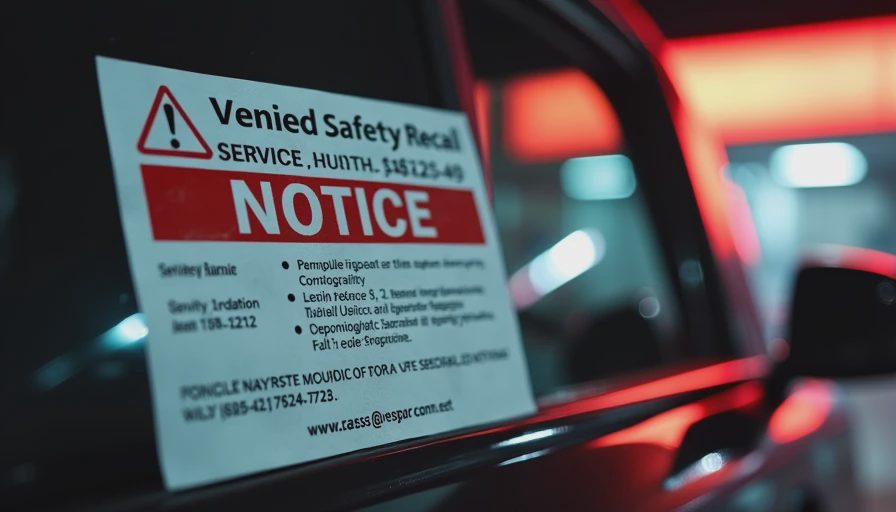
What to do if the repair is delayed
Parts shortages and high dealer demand can stretch the time between a notice and a completed remedy. Start a simple timeline: date you received the notice, date you called, dealer response, appointment date, and any driving restrictions. If the vehicle is not safe to operate, ask the dealer whether towing or alternate transportation is available under the campaign instructions.
Do not pay an independent shop for a recall repair before confirming reimbursement rules. An outside repair may be necessary in unusual circumstances, but the manufacturer usually controls the approved remedy. Keep every receipt if you must pay for towing, inspection, or temporary transportation, then ask Kia for its written reimbursement policy.
Owners can report unresolved safety problems to NHTSA. Include the VIN, mileage, repair history, warning messages, and dates. Specific records are more useful than a general complaint that the vehicle “feels unsafe.” NHTSA uses consumer reports alongside manufacturer filings and other investigative information.
A practical checklist for Kia owners
Check the VIN on NHTSA.gov and Kia's owner site. Read the entire notice, including interim instructions. Call an authorized dealer and confirm parts availability before driving across town. Ask for the campaign number on the repair order. Photograph warning lights or damage before a tow. Keep the completed invoice with the title and maintenance records.
Then review your insurance declarations page. Confirm comprehensive and collision deductibles, roadside assistance limits, rental reimbursement, and the liability limits required in your state. If you are shopping for coverage, compare quotes from providers such as State Farm, GEICO, Progressive, and regional insurers using identical limits. The cheapest premium is not useful if a $1,500 deductible makes a recall-related fire loss difficult to manage.
The headline may change as investigations develop, but the owner process stays straightforward: identify the VIN, follow the official instructions, document every contact, complete the remedy, and keep the insurance in force. That is the signal beneath the noise around every Kia recall.


Travellers Write
No letters yet — be the first traveller to write.