A recall by VIN search can tell you whether a specific vehicle has an unresolved safety defect, not merely whether its model appeared in a headline. That distinction matters. Automakers issue recalls by production range, assembly plant, component batch, and sometimes a narrow sequence of vehicles. Your 17-character vehicle identification number is the quickest way to separate a real open campaign from internet noise.
The official starting point is the National Highway Traffic Safety Administration’s VIN lookup tool at NHTSA.gov. Enter the VIN exactly as it appears on the dashboard plate, driver-side doorjamb label, registration, or insurance documents. The result generally shows unrepaired safety recalls reported by participating manufacturers during the relevant record period.
Why a recall by VIN search beats a model-year search
A model-year search is useful for learning about a vehicle’s history, but it cannot confirm whether one particular car is included. A 2018 Ford F-150, for example, might share a name with thousands of trucks built across several plants and months. A defective fuel-line fitting could affect only a portion of that production run. One truck may need a repair while another does not.
A recall by VIN result usually provides the campaign number, a description of the defect, the potential safety consequence, and the proposed remedy. NHTSA records can also show whether the manufacturer has supplied a repair procedure. Read the wording carefully: “recall incomplete” means the vehicle is still flagged for action, while “recall completed” indicates that the recorded remedy was performed. A completed record does not guarantee that every later repair was done perfectly, but it gives you a useful paper trail.
Dealerships can often run the VIN through the automaker’s internal system, which may include information not yet visible in a public database. That is particularly useful for recently announced campaigns, used vehicles transferred between dealers, or vehicles with incomplete service histories.
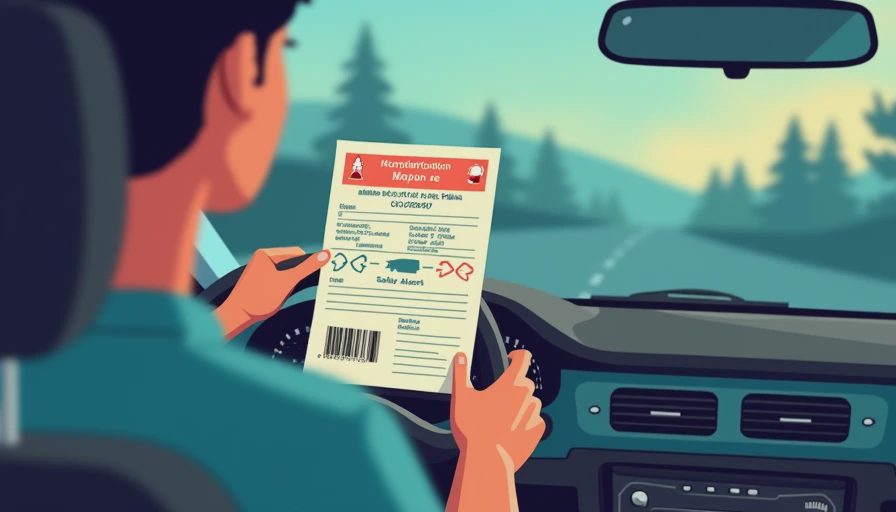
How to perform a recall by VIN check
Start by locating the VIN and checking every character. The letters I, O, and Q are not used in standard VINs because they can be confused with numbers. A single mistaken character can return no result or point to the wrong vehicle. Confirm the VIN against two sources before treating a clean search as final.
Run the number through NHTSA’s recall lookup, then visit the manufacturer’s owner portal. General Motors, Ford, Stellantis, Toyota, Honda, Hyundai, Kia, Volkswagen, BMW, Mercedes-Benz, Subaru, and other automakers provide owner-facing recall pages. Enter the VIN again rather than relying on a broad model search. If the listings disagree, call an authorized dealer’s service department and ask for a VIN-specific campaign review.
The repair itself should be free when it is part of a safety recall. The dealer may need to order a part, schedule special equipment, or hold the vehicle for several hours. Ask whether the vehicle is safe to drive while waiting. Some defects involve airbags, fire risk, steering, braking, or loss of propulsion; those warnings deserve more urgency than a routine scheduling inconvenience.
Reading the result without overreacting
A recall notice identifies a safety risk, not proof that your vehicle has already failed. Still, it is not a document to file under “later,” especially when the remedy is available. Check the risk description and interim instructions. For an airbag campaign, the notice could advise avoiding a passenger seat. For a fire-related defect, the manufacturer might recommend outdoor parking until the repair is completed.
The phrase “remedy not yet available” is also important. It means the automaker has identified the affected vehicles but has not supplied a complete fix. Keep the notice, update your contact information with the manufacturer, and check periodically for a dealer appointment. A service advisor may place you on a notification list, but the owner remains responsible for following the interim guidance.
A recall is different from a technical service bulletin, or TSB. A TSB gives technicians diagnostic or repair guidance for a known condition; it does not automatically create a free repair for every owner. Warranty coverage, goodwill assistance, and recall remedies are separate matters. That difference prevents a lot of wasted time at the service counter.

What a recall means for a used-car buyer
Run a recall by VIN search before signing a purchase agreement, not after the vehicle is parked in your driveway. Ask the seller for the VIN, a current service printout, and permission to contact a franchised dealer. A private seller who refuses a basic VIN check is supplying useful information of the unpleasant kind.
An open recall does not automatically make a vehicle unbuyable. The practical question is whether the repair is available, how serious the defect is, and whether the dealer can complete it before delivery. A compact sedan with a minor campaign and an appointment already scheduled is a different proposition from an SUV under a do-not-drive warning with no replacement part in sight.
Check for additional signs of neglected maintenance: mismatched tires, warning lights, incomplete oil-change records, or a title history that raises questions. The recall database is one layer of due diligence, not a substitute for an inspection and vehicle-history report. If the seller says the repair was completed, request documentation rather than relying on a verbal assurance.
Recalls, insurance, and your next move
An open safety recall generally does not create an automatic premium increase. Auto insurers price policies using factors such as driving history, location, vehicle characteristics, coverage choices, and claims experience. However, ignoring a serious defect can increase the chance of a crash or roadside loss, and insurance does not replace a manufacturer’s recall remedy.
After a recall repair, keep the dealer invoice with your registration and policy records. The invoice should identify the campaign and describe the work performed. If you are comparing insurance quotes for a newly purchased vehicle, complete the recall by VIN check first and disclose relevant vehicle information accurately. Collision and comprehensive coverage address different risks; neither is a substitute for a free safety repair from the manufacturer.
Here’s what we know — and here’s what we don’t: a clean result today does not promise that no future campaign will be announced. Manufacturers and NHTSA add recalls as investigations develop. Recheck before a long trip, before selling the vehicle, and whenever you receive a mailed notice. The few minutes spent on a recall by VIN search can identify a repair worth far more than the time it takes to look it up.

Travellers Write
No letters yet — be the first traveller to write.