A Subaru vehicle recall fire risk notice is not something to file under routine dealership paperwork. It can mean an electrical short, leaking fuel, overheating component, or another defect creates a credible ignition hazard in a specific group of vehicles. The important distinction is between a confirmed safety recall, a preliminary investigation, a technical service bulletin, and an online rumor. Each calls for a different response.
Here's what we know — and here's what we don't. A recall applies to vehicles identified by the manufacturer and the National Highway Traffic Safety Administration, or NHTSA, as presenting an unreasonable safety risk. The remedy is generally provided at no charge. Until the repair is completed, owners should follow the notice carefully, including any parking or charging instructions.
How to tell whether a Subaru recall is real
Start with Subaru's official recall lookup and NHTSA's VIN search. You will need the vehicle identification number, a 17-character code usually visible through the windshield on the driver's side or printed on registration documents. A model-year search can identify broad campaigns, but a VIN search is more useful because it shows whether a particular vehicle is included and whether the remedy remains open.
Search results should be read closely. A recall number, affected production dates, defect description, hazard explanation, remedy, and owner-contact information should be present. If the notice says parts are not yet available, the recall is still active even if the dealer cannot complete it today. Save the notice and ask the retailer to place your VIN on its contact list.
A Subaru vehicle recall fire risk report circulating on social media is not proof that every vehicle of that model has the same problem. Photos of burned cars can establish that an incident occurred, but they do not establish the cause. Fire investigators, automakers, insurers, and regulators may need to examine the vehicle before anyone can connect it to a defect.
Do not confuse a technical service bulletin with a recall. A bulletin gives dealer technicians a recommended procedure for a known symptom; it does not automatically mean the repair is free or that the vehicle is unsafe to drive. A complaint filed with NHTSA is also not a recall. It is one data point that regulators can review when deciding whether further action is warranted.
What owners should do after a fire-risk notice
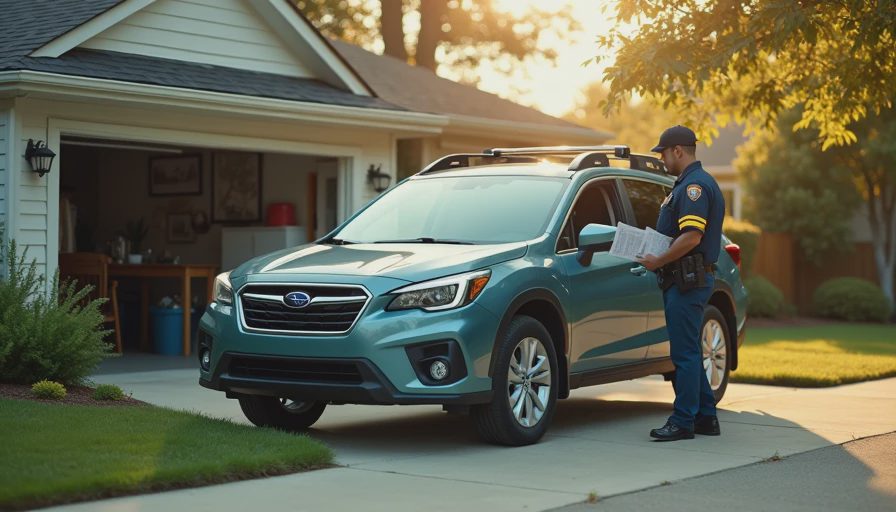
Read the owner letter before starting a long trip. If it says to park outdoors and away from structures, follow that instruction. If it says not to charge, operate, or use a feature, stop using that feature. Do not improvise a repair by disconnecting wiring, removing a fuse, or applying an aftermarket part. That can create another hazard and complicate the inspection record.
Contact an authorized Subaru retailer and describe the notice exactly. Ask whether the remedy is available, whether the vehicle can be driven to the appointment, and whether towing is recommended. If the dealer cannot schedule the repair promptly, call Subaru customer assistance and keep records of dates, names, repair orders, towing invoices, and alternate transportation costs.
A Subaru vehicle recall fire risk involving a parked vehicle deserves particular caution. Keep combustible materials away from the car, avoid parking in an attached garage when the notice advises outdoor parking, and make sure household members know not to use the vehicle. If you smell fuel, see smoke, hear unusual electrical crackling, or notice heat without an obvious source, move away and call emergency services rather than opening the hood.
If a fire starts, leave the area. Do not retrieve belongings or attempt to extinguish a vehicle fire unless emergency professionals direct you and conditions are clearly safe. Afterward, avoid disturbing the vehicle. Fire damage can destroy evidence needed by the manufacturer, fire department, regulator, or insurer.
What the recall means for auto insurance
A recall itself is not normally an insurance claim. The manufacturer is responsible for the safety remedy, while your policy addresses covered losses under its own terms. Comprehensive coverage commonly applies to fire damage that is not caused by a collision, subject to the deductible and policy conditions. Liability coverage does not repair your own vehicle; it generally pays for damage or injuries you cause to others, up to the selected limits.
Suppose a covered Subaru catches fire while parked and the repair estimate is $9,000. With a $500 comprehensive deductible, the insurer could pay the covered amount above that deductible, subject to its investigation and the vehicle's value. If the car is a total loss, the settlement is typically based on actual cash value rather than the original purchase price. A lender or leasing company may have an interest in the payment, and gap coverage can matter when the loan balance exceeds the vehicle's value.
A Subaru vehicle recall fire risk can also raise questions about subrogation. If an insurer pays a covered claim and later determines that a manufacturer or supplier may be legally responsible, the insurer can pursue recovery. That process does not guarantee a larger payment to the owner, but accurate records, photographs, the recall letter, and the fire report can help preserve the facts.
Do not assume a claim will be rejected simply because a recall exists. Do not assume it will be approved either. Report the loss quickly, protect the vehicle from further damage when safe, and cooperate with the adjuster's inspection. Ask whether rental coverage applies; it is usually available only when the policy includes the relevant coverage and the loss qualifies.

How to document the problem before the appointment
Create a file on your phone and keep every relevant item together. Photograph the VIN, odometer, warning lights, damaged components, parking location, and any visible smoke or residue. Save dashboard messages and write down when the symptoms appeared. If the vehicle has telematics or a charging app, preserve available alerts rather than deleting them.
Keep the dealer repair order even when the visit ends with “no problem found.” Ask for the concern and diagnostic results to be written clearly. If a component is replaced, record the part description and date. These details can matter if a second failure occurs or if an insurance adjuster needs a timeline.
Avoid posting a definitive cause online before the inspection. “The car burned down because of the recall” is a conclusion, not an observation, unless an investigator has established it. A more useful record says where the vehicle was, what happened first, whether it was operating or parked, and what warning signs appeared.
When to escalate a Subaru safety concern
If the remedy is unavailable, the dealer will not document the complaint, or the vehicle presents a continuing hazard, contact Subaru customer service and NHTSA. NHTSA's complaint system allows owners to report incidents, injuries, fires, and recurring defects. Include the VIN, mileage, dates, and supporting documents. One report does not prove a defect, but a well-documented report is more useful than a vague post.
A Subaru vehicle recall fire risk should also be raised with your insurer if damage has occurred, even when the cause is still under investigation. The insurer can explain coverage, arrange inspection, and identify deadlines. Policy language controls, so get important instructions in writing.
The bottom line is straightforward: verify the notice by VIN, follow the manufacturer's parking or operating restrictions, schedule the remedy, and document everything. Recall labels can sound alarming, but the disciplined response is not complicated. Treat the hazard seriously, separate confirmed facts from internet noise, and let the dealer, regulator, fire investigator, and insurer establish what happened.
Travellers Write
No letters yet — be the first traveller to write.