Ford Recalls 254,640 SUVs After Software Glitch Blinds Drivers in Traffic
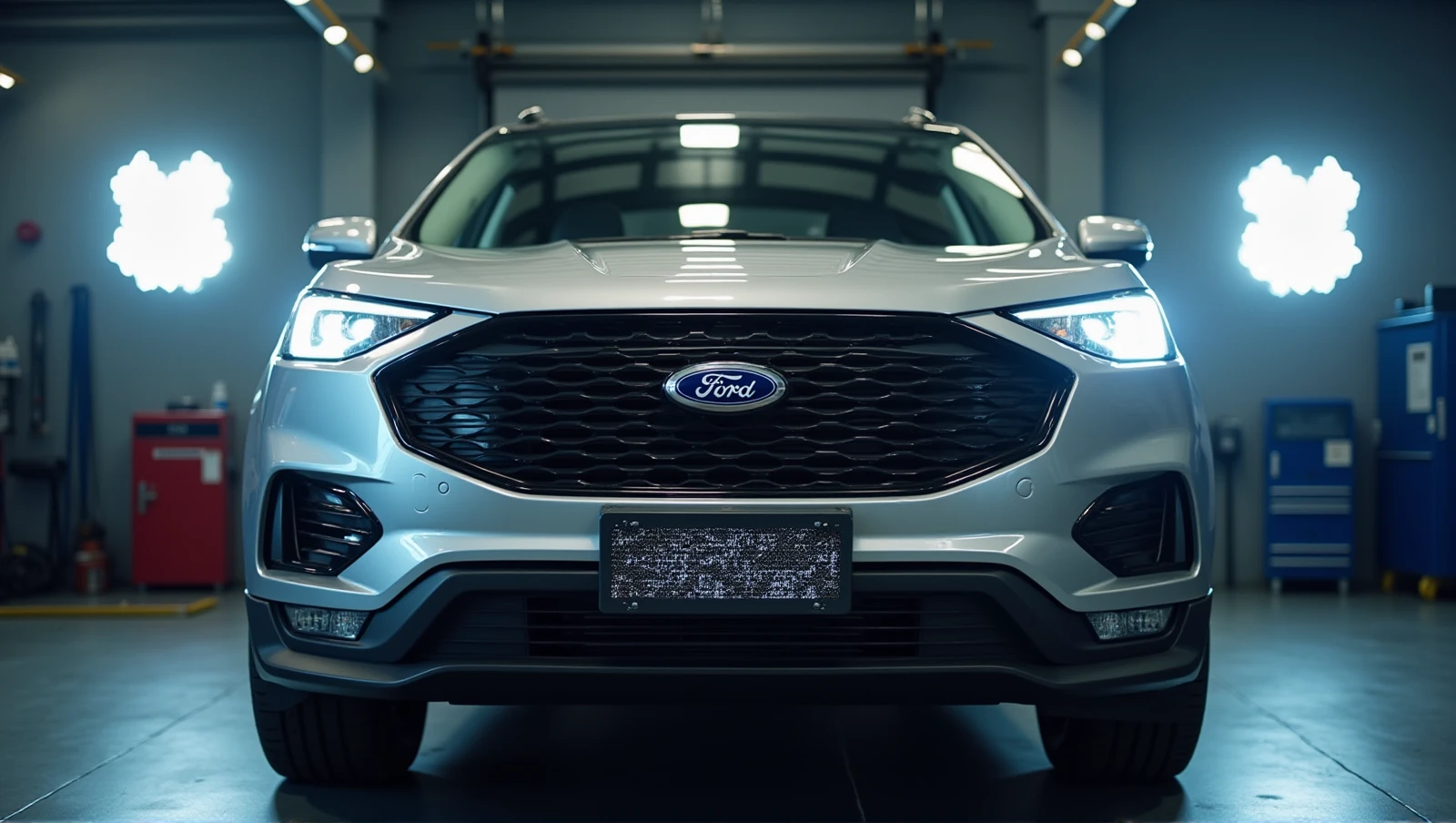
Modern vehicles are supposed to see more than their drivers do. That's the entire promise of advanced driver-assistance systems (ADAS). But what happens when the car's eyes shut because there's simply too much to see? Ford is finding out the hard way. The automaker is recalling 254,640 SUVs in the U.S. after a software defect was found to disable rearview cameras and critical safety features precisely when drivers need them most.
According to filings with the National Highway Traffic Safety Administration (NHTSA), the issue isn't a broken wire or a failed sensor. It's code. The defect stems from an unexpected reset of the vehicle's image processing software. When the system gets overwhelmed tracking a high volume of moving objects—think dense urban traffic—the Image Processing Module A (IPMA) can crash. When it reboots, the rearview camera image fails, and ADAS features like pre-collision assist, lane-keeping assist, and blind-spot monitoring go dark.
Regulators warn that losing these systems reduces a driver's ability to detect hazards, increasing the risk of a crash. For a lineup dominated by large, family-hauling SUVs, that's a significant liability. Ford says it is not aware of any crashes, injuries, or fires related to the defect so far, but the potential is there.
The recall covers a swath of Ford's premium Lincoln brand alongside its volume-selling Explorer. Affected models include:
- 2022–2025 Lincoln Navigator
- 2024–2025 Lincoln Nautilus
- 2025 Lincoln Aviator
- 2025 Ford Explorer
When Urban Traffic Overloads the Brain
The technical specifics here are telling for anyone following the industry's shift toward software-defined vehicles. The IPMA isn't failing due to heat or vibration. It's choking on data. In complex driving environments, the module attempts to track too many objects simultaneously, triggering a system reset. In some cases, repeated resets over multiple ignition cycles lead to a persistent loss of functionality.
Drivers won't be left guessing when this happens. The vehicle will light up the dashboard with warnings such as "Front Camera Fault," "Pre-Collision Assist Not Available," or "Lane-Keeping System Off." Blind-spot indicators may also illuminate without cause. While a reboot might temporarily clear the issue, the underlying software vulnerability remains until patched.
This isn't just a nuisance glitch. Rearview cameras are federally mandated safety equipment on all new cars sold in the U.S. Disabling them puts the vehicle out of compliance until fixed. It also highlights the growing pains of relying on software to power core safety systems. When hardware fails, it's usually isolated. When software fails, it can take down an entire suite of safety nets across hundreds of thousands of vehicles simultaneously.
For Lincoln owners, the stakes feel higher. The Navigator and Aviator sit at the top of the food chain in terms of pricing and luxury expectations. Buyers paying premium MSRP figures expect seamless technology, not safety systems that buckle in city traffic. The inclusion of the 2025 Ford Explorer brings the issue into the mainstream, affecting one of the best-selling SUVs on the road.
The Fix and Timeline for Owners
Ford plans to fix the issue through a software update to the IPMA system. The update will be provided either through over-the-air (OTA) updates or at dealerships free of charge. This dual approach should speed up remediation, allowing owners with connected vehicles to patch the bug without scheduling a service appointment.
However, the timeline for notification is specific. Owner notification letters are expected to be mailed beginning March 30, 2026. Affected vehicle identification numbers will be searchable on NHTSA's website starting March 25. Consumers can check whether their vehicle is included in the recall by visiting NHTSA's website or contacting Ford customer service.
The delay between the announcement and the mailed notifications suggests a phased rollout, likely prioritizing OTA capabilities before moving to physical mailers. For owners of the 2025 Explorer or the latest Lincoln Nautilus, keeping an eye on the vehicle's message center for OTA prompts might be the fastest route to a fix.
This recall underscores the complexity of modern automotive engineering. As vehicles become more reliant on code to manage safety, the definition of a "defect" expands beyond mechanical failure to include logic errors and processing limits. For Ford, managing this update efficiently will be crucial to maintaining trust in its driver-assist branding. For owners, the advice is simple: monitor your dashboard warnings, check your VIN status, and don't assume the car sees everything around it—even if it's supposed to.