
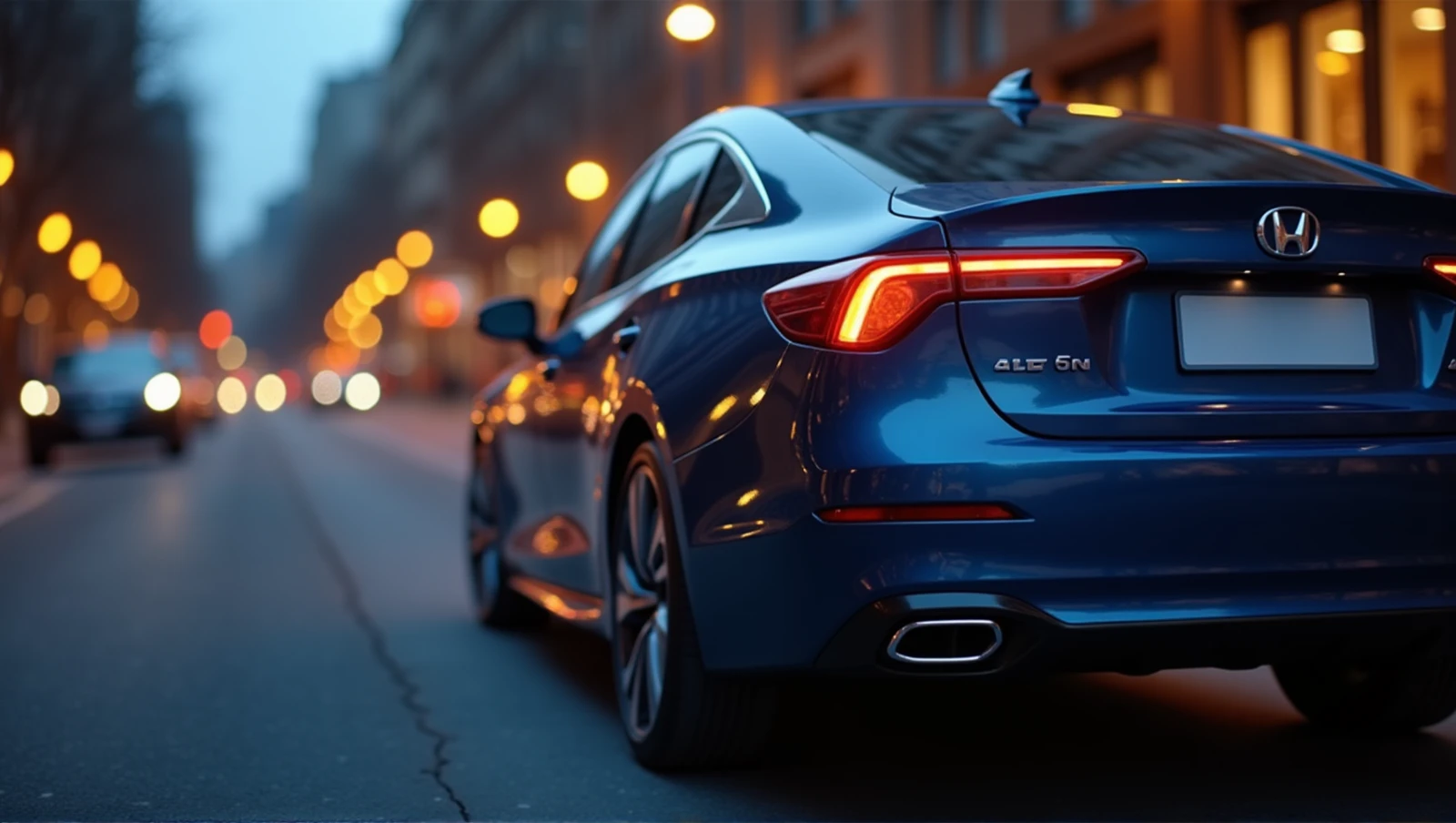
2026 Reality Check: EV Growth Stalls as Hybrids and Solid-State Tech Take the Wheel
The dream of an all-electric driveway hit a speed bump this year. While the last decade promised a swift purge of the internal combustion engine, 2026 is shaping up to be the year of the pragmatic pivot. According to industry analysis released this February, the worldwide shift to electric cars is slowing, forcing manufacturers to rethink their roadmaps amidst trade tensions, infrastructure gaps, and stubbornly high costs.
It turns out that convincing the average buyer to ditch gas entirely is harder than tweaking a press release. The optimism of the early 2020s has collided with the reality of supply chain issues and geopolitical friction, specifically ongoing trade tensions between China and the West. Competition with Chinese EVs remains fierce, but infrastructure challenges—namely the availability of charging stations—are keeping many customers on the fence.
- EV growth slowing in 2026 due to cost and infrastructure hurdles
- Manufacturers pivoting back to hybrid models for adaptability
- Solid-state batteries emerging to replace traditional lithium-ion units
- Supply chain issues persist as a negative trend for the year
- AI, 5G, and VR/AR integration redefining the customer experience
The Hybrid Resurgence
So, where is the industry going if not full steam ahead into electrification? Back to the middle ground. Automotive manufacturers are expected to switch to producing hybrid models in significant numbers. The reasoning is purely economic and practical: hybrids are cheaper to produce and more adaptable to current consumer needs than pure BEVs.
For a car that runs on a battery, having a combustible battery is a rough start, but the chemistry is improving. The source data indicates that battery technology is evolving rapidly. The limitations of traditional lithium-ion batteries are being addressed by the introduction of solid-state batteries. These new units promise higher energy density, improved safety, better stability, and crucially, cost-effectiveness. This isn't just a lab experiment; it's becoming a necessary evolution to make electric propulsion viable without subsidizing every sale.
The market is voting with its wallet. High costs of electric vehicles' manufacturing translate to high prices for customers, and in 2026, value is winning over virtue signaling. The hybrid electric vehicle (HEV) segment is growing because it offers the efficiency gains buyers want without the range anxiety or charging infrastructure dependency that plagues the pure EV sector.
The Computer on Wheels
While the powertrain debate rages on, the vehicle itself is undergoing a quieter, yet more substantial change. For the past 100 years, carmakers were largely focused on enhancing manufacturing to become more efficient at scale. Today, the focus is redefining the role of the vehicle—now it's rather a smartphone or computer on wheels.
New technology in the automotive industry opens up new opportunities beyond just how the car moves. AI, additive manufacturing, the Internet of Things, and 5G have become sources of product innovation and manufacturing efficiency. This digital transformation is leading to revolutionary changes in customer experience. We are seeing immersive VR/AR technologies being integrated into the buying and ownership experience, alongside advanced safety features that rely on deep connectivity.
However, building a connected car is only half the battle. Keeping the project on track is another. Automotive manufacturers are increasingly adopting PMO software to standardize the execution of complex projects with globally distributed teams. This ensures compliance with industry standards when you have engineers in three different time zones trying to make a single car talk to a cloud server.
The Bigger Picture
Despite optimistic forecasts from previous years, 2026 will be marked by EV's slowdown. It's a correction, not necessarily a failure. The ongoing supply chain issues are one of the negative trends that continues in 2026, affecting everything from chip availability to final assembly.
The future appears to be all about accessible mobility: mobility solutions will be more flexible, individualized, and compatible. Trends like Electrification, Self-driving cars, Connectivity, Sustainability, and Mobility-as-a-Service are long-term and are expected to continue shaping the auto industry in the near future. But the path there is winding.
As we move through the year, expect to see showrooms filled with more hybrids than anticipated, backed by solid-state tech that finally makes sense on a spreadsheet. The revolution isn't canceled, but it has decided to take the scenic route.