
Dealers Are Done Relying on New Car Sales to Pay the Bills in 2026
If you think the showroom floor is where the rent gets paid, you haven't looked at a dealership P&L sheet lately. The front end is often a loss leader, a shiny bait to get customers into the ecosystem where the real money lives. According to the latest Retail Automotive News Dealer Outlook Survey, dealership leaders know exactly where the bread is buttered for the year ahead, and it isn't strictly dependent on moving new metal off the line.
The strategy for staying profitable in 2026 is a triad of backend optimization: used-vehicle offices, service and parts departments, and artificial intelligence tools. It's a pragmatic pivot. New vehicle margins have been squeezed by inventory fluctuations and consumer price sensitivity, forcing groups to look inward. The survey indicates that capital is flowing into specialized used-vehicle offices rather than just expanding lot space. This suggests a shift toward treating pre-owned inventory with the same logistical rigor as new cars, acknowledging that the highest gross per unit often comes from trade-ins and reconditioned stock.
The Backend Is the New Front End
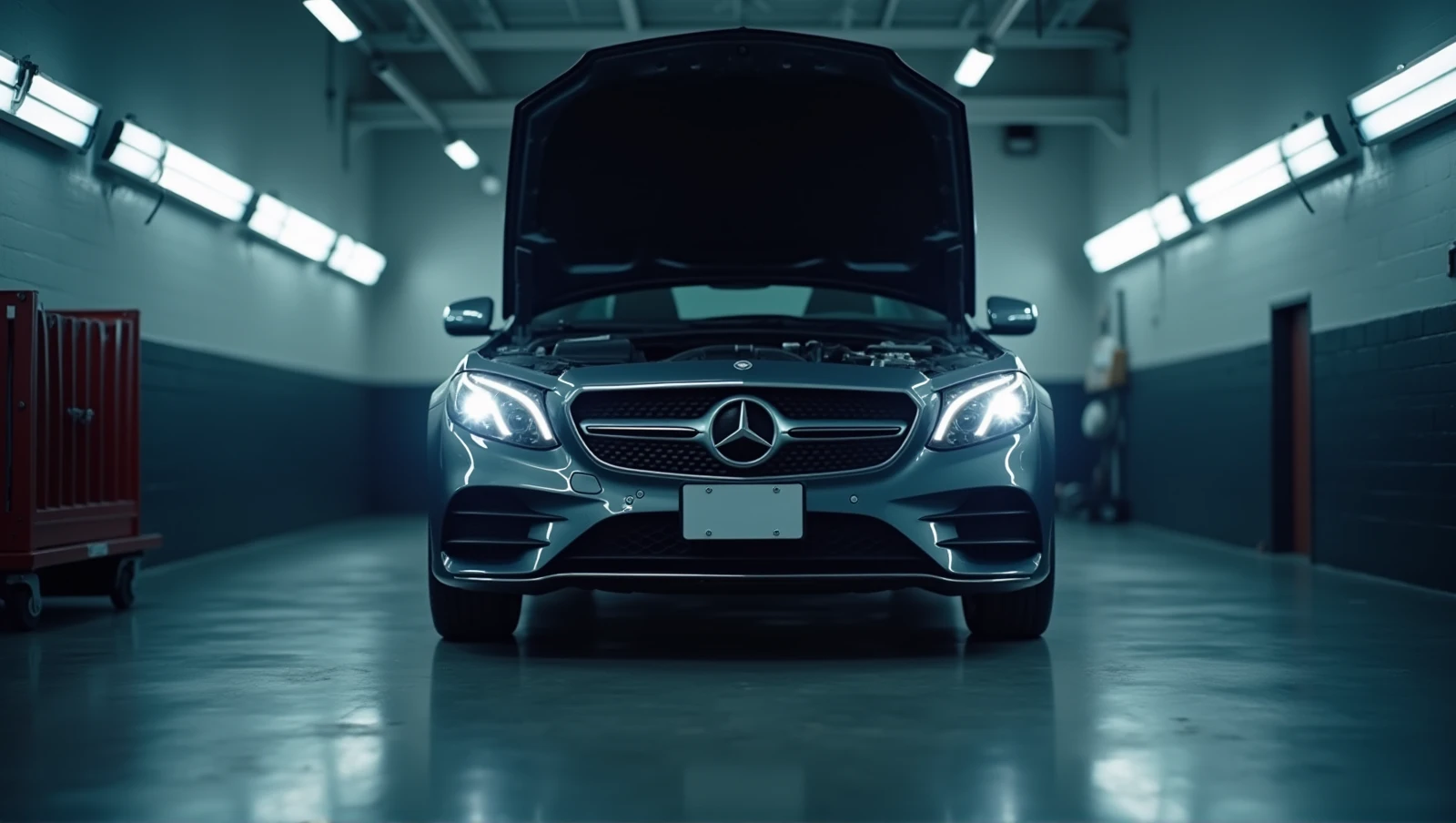
Service and parts remain the financial bedrock of any retail automotive operation. While the survey highlights investment here, it's less about building bigger bays and more about efficiency. When new car sales slow, the service drive keeps the lights on. The integration of AI tools mentioned in the outlook is particularly telling. We aren't talking about chatbots answering basic FAQ queries; this is about predictive maintenance scheduling, inventory management for parts, and streamlining the check-in process to increase throughput.
For a business model that runs on thin margins and high volume, shaving minutes off a service appointment adds up to significant revenue over a fiscal year. Dealers are essentially digitizing the service lane to capture labor hours that might otherwise walk out the door due to friction or wait times. It's a necessary evolution. As vehicles become more complex, the barrier to entry for independent shops rises, potentially funneling more warranty and specialized work back to franchised dealers—if they can handle the volume.
Consolidation Over Expansion
The data surrounding the Top 150 Dealership Groups reinforces this efficiency mindset. Ranked by 2025 new-vehicle sales, this year's list reveals that adding stores isn't the only path to growth. In previous decades, the dominant strategy was acquisitive: buy a competitor, absorb their market share, repeat. Now, the focus is on consolidation and optimization of existing assets.
Groups are competing and consolidating without necessarily expanding their physical footprint. This suggests a mature market where geographic saturation is hitting a ceiling. Growth comes from squeezing more value out of the current roster of franchises rather than planting new flags. It's a smarter, albeit harder, way to grow. It requires better management structures and tighter operational controls, which circles back to the investment in AI and specialized offices. You can't manage a larger volume of used cars or service tickets with 2010-era spreadsheets.
The Tariff Shadow
Looming over all these operational tweaks is the external pressure of government policy. The survey context notes Trump's tariff overhaul, which simplifies metal duties but could raise costs for automakers. This is the wildcard in the 2026 deck. If raw material costs rise for manufacturers, those costs eventually trickle down to MSRP or eat into the incentives dealers can offer.
Simplified duties sound good on paper, but if the net result is higher production costs, the retail level feels the pinch. Dealers are preparing for this by diversifying revenue streams. If the new car side gets hit by tariff-induced price hikes that dampen consumer demand, the used and service sides need to be robust enough to carry the load. It's a hedge against volatility.
The message from the dealership leaders is clear: survival in 2026 isn't about selling more cars than the guy across the street. It's about running a tighter ship. The groups that make the Top 150 list next year won't just be the ones with the most franchises; they'll be the ones that successfully monetized the ecosystem around the car, not just the car itself.