
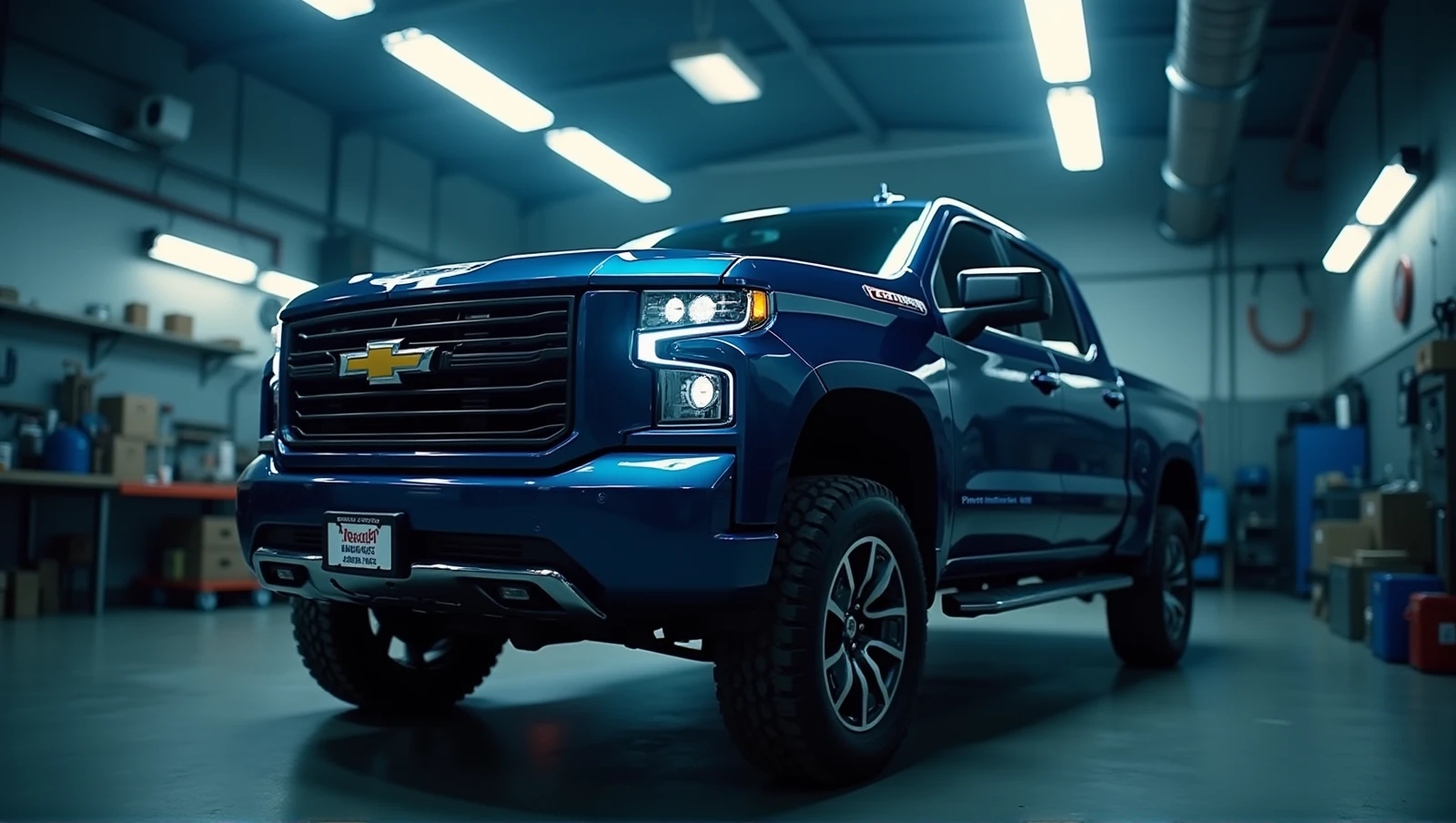
GM Recalls 1,191 Silverado and Sierra EVs Over Silent Stability Control Failure
- Affected models include model year 2026 Chevrolet Silverado EV and GMC Sierra EV.
- Total of 1,191 trucks require a software update to resolve the issue.
- Repairs are free, delivered via over-the-air update or dealership visit.
- Owners should check mail for notices or verify VIN through the recall center.
For a vehicle touted as the future of hauling, having a brain that forgets its own warnings is a rough look. General Motors is recalling 1,191 Chevrolet Silverado EV and GMC Sierra EV electric trucks from model year 2026 because a critical safety indicator might ghost the driver. The issue isn't mechanical failure in the traditional sense, but a digital silence that could leave owners unaware of a compromised stability control system.
In the modern automotive landscape, the dashboard is your primary interface with the machine's health. When a warning light flickers on, it demands attention. But according to filings with federal safety regulators, these specific EVs suffer from a glitch where the malfunction indicator behaves inconsistently. If the stability control system encounters a fault, the warning light will illuminate once. That part works as intended. The problem arises after the driver turns the truck off and starts it again.
Upon restart, the light fails to illuminate again, even though the underlying malfunction persists. This creates a dangerous false negative. A driver might assume the system reset itself or that the initial flash was a glitch, continuing to operate the vehicle without knowing their stability control is compromised. In adverse weather or emergency maneuvering situations, that missing information could be the difference between a safe correction and a loss of control.
The Software Patch and Delivery Methods
GM states the fix is a software update. This highlights the double-edged sword of the software-defined vehicle. On one hand, patches can be deployed without wrenches turning on physical components. On the other, bugs like this slip through validation testing and reach the customer.
Remedy delivery will be split between two methods. Some of these vehicles will receive the update over the air. This is the ideal scenario for EV owners, allowing the fix to install remotely without disrupting the schedule. However, not every truck in this recall batch qualifies for the wireless treatment. Owners of the affected units that cannot be updated remotely will need to bring their trucks into the dealership to have the patch installed manually.
Recall repairs are always free, regardless of the method required. There should be no cost passed to the consumer for ensuring the safety systems function as advertised. The variation in update delivery likely depends on the specific hardware configuration or software version present on each individual VIN at the time of manufacture.
What Owners Need to Do Now
The most critical step for owners is verification. Millions of people miss recall notices every year and unknowingly drive recalled vehicles. Relying solely on postal mail can be risky, especially in an era where physical mail often gets deprioritized or lost. Owners should look for a notice in the mail telling them whether their specific vehicle requires a dealership visit or if it will be handled remotely.
To bypass the wait for physical correspondence, drivers can utilize the recall center's easy VIN tool. This allows owners to find out if their car needs any free safety repairs immediately. Inputting the Vehicle Identification Number provides a definitive answer on whether your 2026 Silverado EV or Sierra EV is part of the 1,191-unit cohort.
Ignoring these notices is a gamble not worth taking. Stability control is a foundational safety layer in modern trucks, managing brake pressure and engine output to prevent skids and rollovers. Driving with a disabled system while believing it is active creates a false sense of security.
This recall serves as a reminder that electrification does not immunity from quality control issues. While the powertrain might be simpler than an internal combustion equivalent, the reliance on complex code introduces new failure modes. A combustible battery is a visible risk, but a silent software failure is insidious. It doesn't smoke or leak; it just stops talking to you when you need it most.
GM's ability to push fixes over the air is a benefit of the architecture, but it doesn't negate the need for vigilance. Until the software is updated, the truck cannot be trusted to report its own health status accurately. Check the VIN, watch the mail, and ensure the patch is applied. For a vehicle representing the flagship of GM's electric truck lineup, ensuring the warning lights work is the bare minimum expectation.