
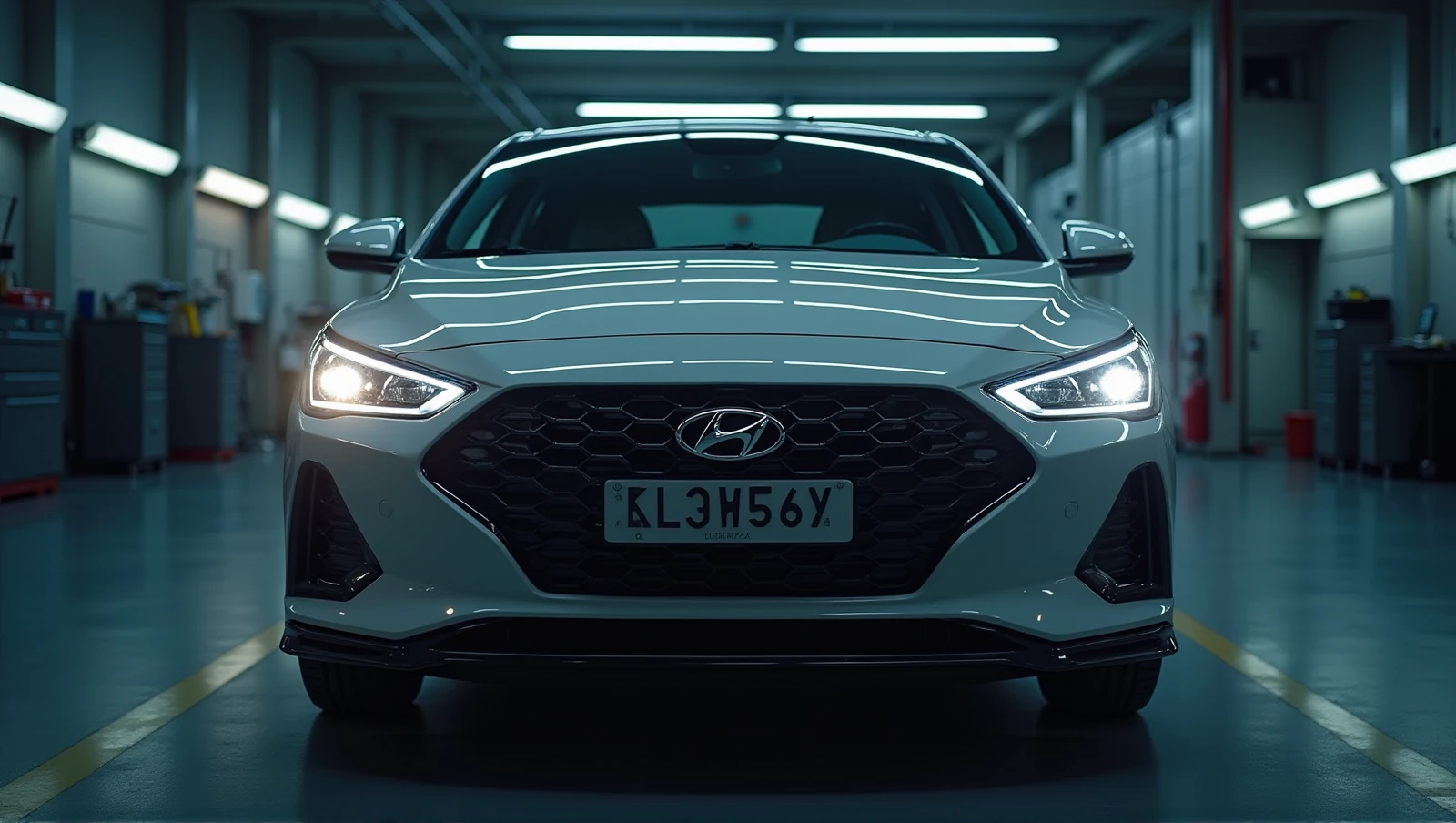
Hyundai Palisade Hit With Second Major Recall in Less Than Two Weeks
If you've been shopping for a three-row family hauler lately, the 2026 Hyundai Palisade probably landed on your shortlist. But if you've already signed the paperwork, you might want to keep an eye on your mailbox. Hyundai is recalling more than 46,000 of its newest SUVs, marking the second major safety campaign for the model in less than a month.
According to a notice posted on the National Highway Traffic Safety Administration (NHTSA) website, the latest defect centers on a critical safety component that owners assume works without thought: the seat belt status indicator. For a vehicle designed to shuttle kids and cargo across state lines, having a dashboard light lie to you about restraint status is a rough look.
Here is the breakdown of what is happening, which models are caught in the net, and how this compounds a tricky launch period for Hyundai's flagship SUV.
The Wiring Glitch and Safety Risk
The recall affects a total of 46,787 vehicles, specifically covering the 2026 Hyundai Palisade and the 2026 Hyundai Palisade Hybrid. The issue isn't with the latch mechanism itself failing to lock, but rather the electronic signal sent to the driver.
Officials say the fault lies in possibly damaged internal wiring within the third-row driver-side seat belt buckle. When that wiring gets compromised, the car's computer can receive a false signal. Consequently, the instrument cluster may display the seat belt buckle as fastened even when it is not.
The safety implication is straightforward but serious. A faulty seat belt status indicator may fail to alert occupants to an unfastened seat belt, increasing the risk of injury in the event of a crash. In modern vehicles, those chimes and dashboard icons are the primary prompt for rear passengers to buckle up. If the system says "all clear" when someone is actually unbuckled, the protective gear doesn't get used.
Owners of impacted models are expected to receive notification letters on May 18. Until then, Hyundai advises checking the NHTSA database using your vehicle identification number, or VIN, to confirm status. USA TODAY's recall database also includes information on car, food, drug and other product recalls for broader searching.
A Rough Month for the Palisade
This latest campaign arrives during what can only be described as a turbulent window for the Palisade nameplate. The recall comes only days after Hyundai issued a stop sale and recall of 60,000 of its Palisade SUVs following a fatal incident that is currently under investigation.
That previous action, announced in a March 13 news release, targeted power seat functionality. The company recalled the Palisade because in certain situations, the second and third-row power seats may not detect contact with an occupant or object as intended. When power seats fail to detect obstruction, the risk of entrapment or injury increases significantly, particularly for children climbing in the back.
Taking two separate recalls totaling over 100,000 units within a two-week span is rare for a model year as fresh as 2026. It suggests a potential quality control squeeze during the manufacturing ramp-up. While the defects are unrelated—one is electrical wiring in the buckle, the other is sensor logic in the seat motors—the cumulative effect on consumer confidence is undeniable.
How to Get It Fixed
For owners caught in this latest seat belt recall, the remedy is hardware-based. Impacted vehicles will receive a new wiring harness extension and a new seat belt assembly from dealers, free of charge.
This isn't a software patch that can be flashed over the air or during a quick pit stop. The requirement for a new seat belt assembly means technicians will need to remove the existing buckle unit in the third row and install the updated hardware along with the harness extension. Dealerships will handle the labor and parts at no cost to the owner.
Until the notification letters go out on May 18, owners should manually verify that third-row belts are latched before driving, regardless of what the dashboard indicates. While the previous stop sale regarding power seats grabbed headlines due to the fatal incident under investigation, this wiring issue is a compliance failure that needs addressing before it leads to preventable injuries.
Hyundai has not specified a repair timeline beyond the notification date, but typically dealers begin scheduling appointments as soon as the letters mail out. If you own a 2026 Palisade or Palisade Hybrid, running your VIN through the NHTSA database today is the only way to know if your specific unit left the factory with the damaged wiring.