Kia Recalls 14,870 Tellurides and K4s Over Seat Belt Latch Failure
- Affected Models: 2027 Kia Telluride, 2026 Kia K4
- Total Units: 14,870 vehicles
- Defect Rate: Estimated 1% of affected population
- Notification Date: May 5, 2026
- Contact: 1-800-333-4542
Seat belts are the automotive equivalent of gravity. You don't think about them until they aren't there, or worse, when they fail to do the one job they were designed for. That fundamental expectation of safety is why the latest recall from Kia America, Inc. demands immediate attention, even if the statistical likelihood of your specific vehicle being affected is low. The National Highway Traffic Safety Administration (NHTSA) has announced a recall covering nearly 15,000 vehicles due to a potential failure in the rear seat belt anchoring system.
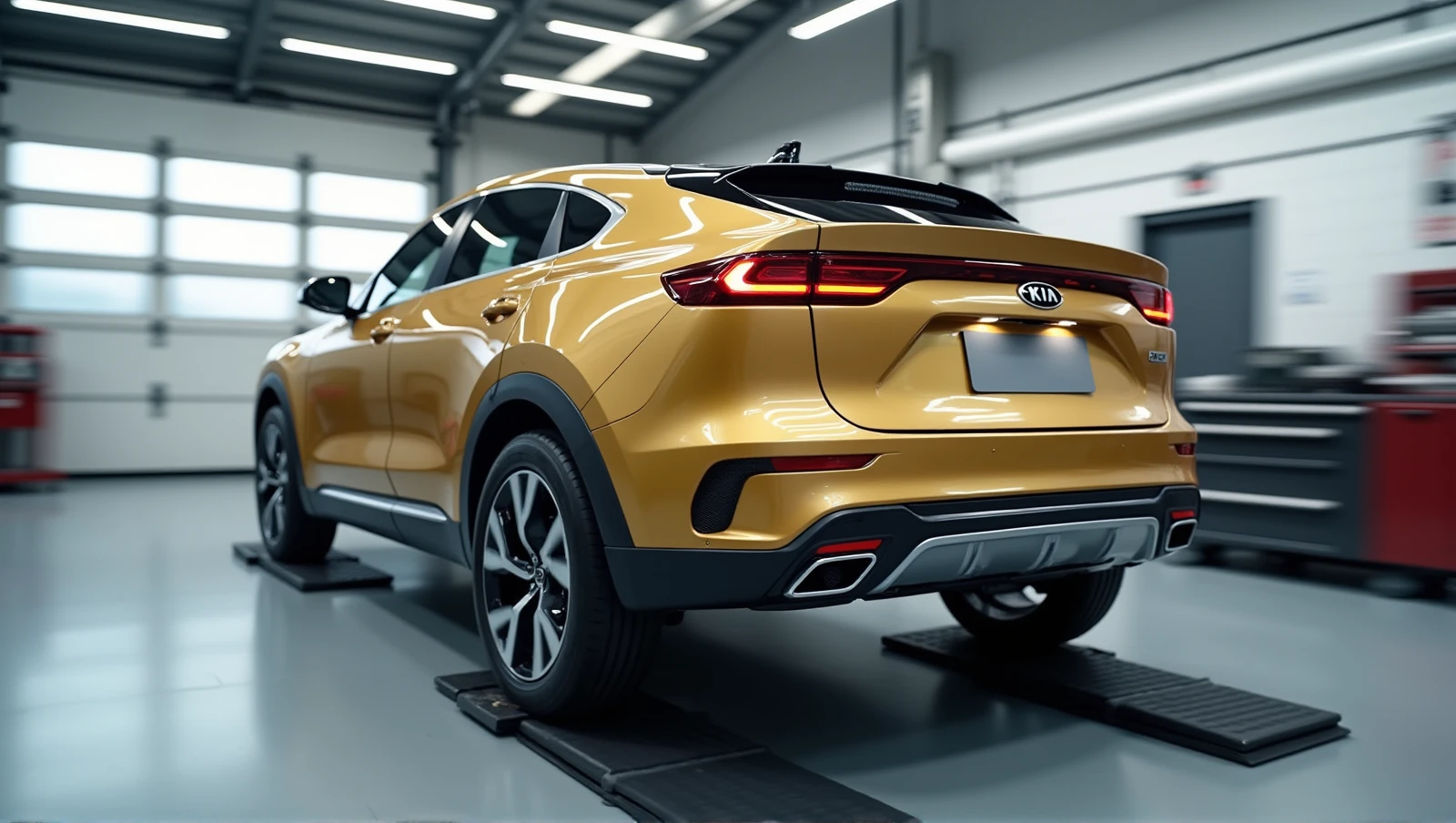
For a restraint system designed to save your life in a collision, failure isn't an option. Yet, here we are. The recall specifically targets the 2027 Kia Telluride and the 2026 Kia K4. While these two vehicles occupy different segments of the market—one a three-row family hauler, the other a sedan—their shared vulnerability lies in a critical component of the passenger safety suite. According to the NHTSA filing, the rear center seat belt anchor buckle in the 2026 K4 and the third-row center seat belt anchor buckle in the 2027 Telluride may not latch properly.
The Mechanics of the Failure
When a seat belt buckle doesn't latch properly, the entire restraint system is compromised. In the event of a sudden stop or crash, an unlatched belt offers zero protection to the occupant. The NHTSA classification cites an "injury risk," which is regulatory speak for a scenario where passengers could be ejected or suffer increased impact forces because the belt failed to secure them to the seat.
In total, this recall includes 14,870 vehicles. While the number sounds alarming on paper, Kia and the NHTSA estimate that only 1% of them actually contain the defective part. This is a common scenario in modern manufacturing recalls; often, a specific batch of components from a supplier is tainted while the rest of the production run remains compliant. However, identifying which vehicle holds the bad part requires inspection. You cannot simply look at the buckle and know if it's part of the faulty 1%. This necessitates a dealer visit for every single owner within the affected VIN range, regardless of whether their belt feels like it clicks into place today.
When to Expect the Fix
If you own one of these vehicles, patience is unfortunately part of the remedy. The announcement was posted on Mar 13, 2026, but letters notifying owners of the safety risks associated with this recall are expected to be mailed on May 5, 2026. This gap between announcement and notification is standard industry procedure, allowing the automaker to finalize logistics and ensure dealers have the necessary replacement parts in stock before flooding service bays with concerned customers.
Moving forward, dealers will inspect and replace the anchor buckle assembly, as necessary, free of charge. The key phrase here is "as necessary." Not every vehicle will need a replacement part, but every vehicle will need the inspection. Until that May 5th date arrives, owners are left in a limbo where they know a risk exists but haven't received the official directive on how to proceed. This is where proactive behavior pays off. You do not need to wait for the physical letter to verify if your car is included.
What Owners Need to Do
The most actionable step right now is verification. If you have any questions, you can contact Kia at 1-800-333-4542. This line should be able to cross-reference your Vehicle Identification Number against the recall database immediately. There is no need to wait for the postal service to confirm your status.
For Telluride owners, pay specific attention to the third-row center seating position. For K4 owners, the focus is on the rear center seat. If you frequently carry passengers in these spots, the urgency is higher. While the defect rate is estimated at 1%, the consequence of being in that 1% during an accident is severe.
This is a developing story. Stay with abc27 News as more information becomes available. Recalls often evolve as more data comes in from the field, and additional technical service bulletins may be issued once dealers begin the inspection process. For now, the directive is clear: verify your VIN, expect a letter in May, and ensure that when you hear that click, it actually means you're secure.