
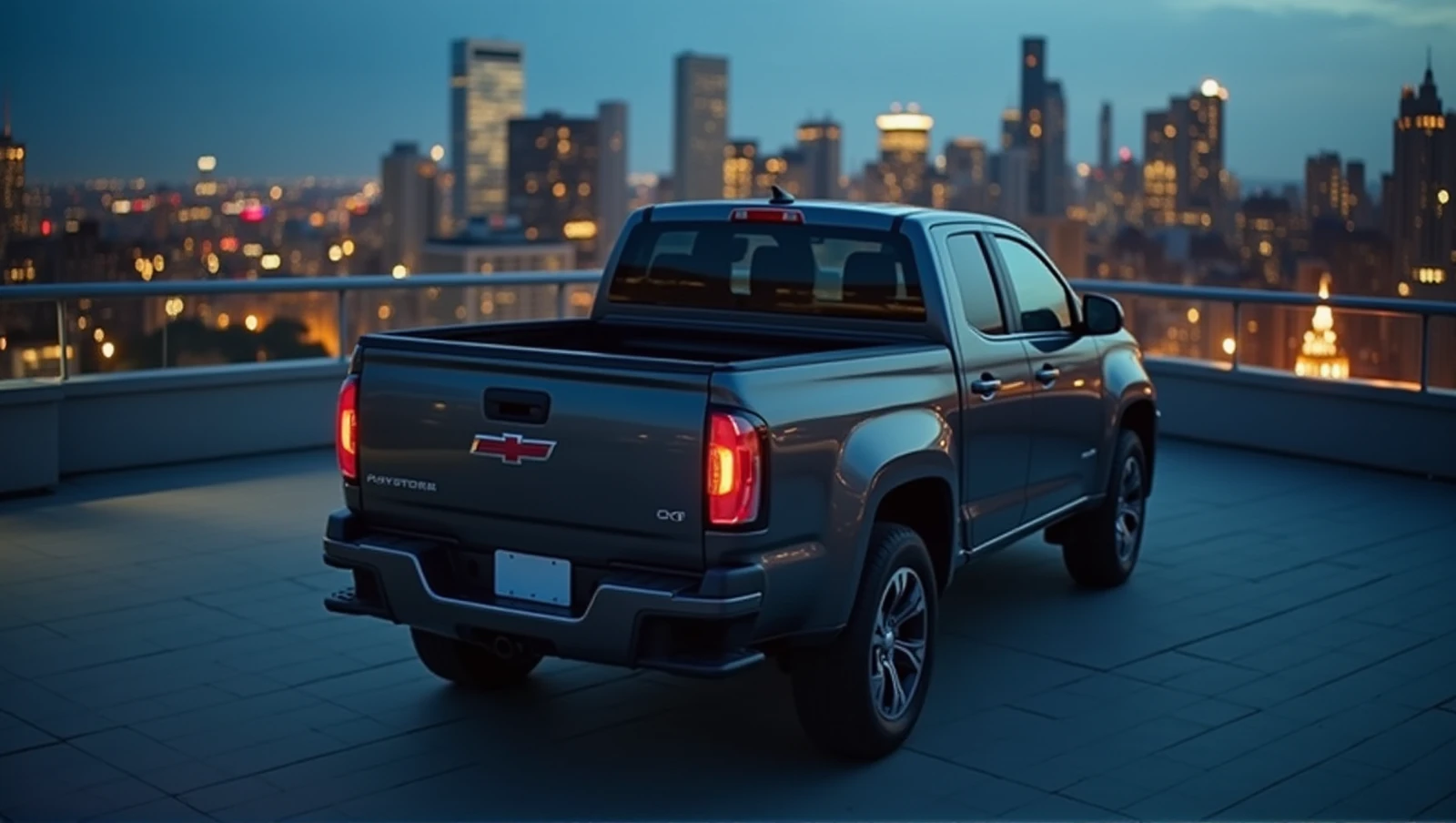
Dealership Empires Expand as Kia Targets Tacoma Buyers Amid Inventory Drop
The automotive industry is tightening its grip while simultaneously trying to invent new ways to sell you something. New-vehicle active inventory has dropped sharply to 2.98 million units, a constraint that usually tells retailers to hunker down. Instead, the biggest dealership groups are buying up competition, and Kia is plotting a massive incursion into the North American pickup market. It is a classic case of contraction meeting expansion, and the friction is generating enough heat to warm a winter garage.
Automotive News just released its 2026 top 150 dealership groups list, and the data tells a story of consolidation. Ranking retailers by new-vehicle sales, the list highlights network growth and per-store revenue leaders. The message is clear: adding stores isn't the only path to growth, but it is certainly the most aggressive. Four top 150 dealership groups bought stores in recent updates, including Nick Saban's group, which also acquired locations. When former coaches start buying lots, you know the real money is in the finance office, not the end zone.
The Dealership Land Grab
This consolidation comes at a time when the average marketed price measures the visible listed price that consumers see on dealer website vehicle detail pages, and those numbers are under scrutiny. The Top 150 dealership groups compete and consolidate because scale protects margin. When inventory days' supply drops sharply, as it has now, power shifts to the retailer. They control the metal.
However, this leverage exists alongside a regulatory headache. Auto lenders and dealership finance offices face an AI compliance maze as federal and state rules collide. An FTC official promised return engagement after a dealer ad webinar disappoints industry, suggesting the government is watching how these groups use data to price vehicles. For a sector already grappling with transparency issues, adding artificial intelligence into the F&I mix is like handing a toddler a loaded staple gun.
Pickups, Sedans, and Identity Crises
While dealerships merge, product pipelines are getting weirdly crowded. Kia unveiled a midsize pickup plan for North America, explicitly targeting the Toyota Tacoma and Ford Ranger. The ambition is specific: Kia plans to sell 90,000 pickups a year in North America and claim 7 percent of the midsize pickup segment by 2034. That is a massive number for a brand known for compact SUVs, especially when Scout says its Traveler SUV and Terra pickup launch further down road.
Simultaneously, there is chatter about a U.S. sedan comeback. Automotive News reporters discussed whether Buick's planned new sedan could mean a broader comeback for the segment. GM preps new Buick sedan alongside redesigned Cadillac CT5 and Chevrolet Camaro, according to source says. It is a risky bet in an SUV-obsessed market, but if inventory is tight, maybe buyers will return to lower-profile metal.
Hyundai is also making a body-on-frame truck gambit that marks a new frontier for the surging Korean brand. Meanwhile, Chinese premium brands are watching, targeting Europe and eyeing the U.S. market. The sheer volume of new trucks and revived sedans suggests manufacturers are terrified of missing a niche, even if that niche is shrinking.
The Human Element
Amidst the corporate maneuvering, there are small victories for heritage. Ford says it rejected a plan to remove Carroll Shelby's name from streets by new HQ. In an industry obsessed with the next electric pivot, keeping the name of a legend on the map matters. It is a reminder that while algorithms might set the prices and consolidation might own the stores, enthusiasts still care about the history painted on the hood.
For now, consumers face a market with 2.98 million vehicles available, fewer choices than before, and dealerships big enough to dictate terms. Kia wants to sell you a truck, Buick wants to sell you a sedan, and the finance office wants to sell you compliance. The only question left is who actually wins when the inventory clock keeps ticking down.