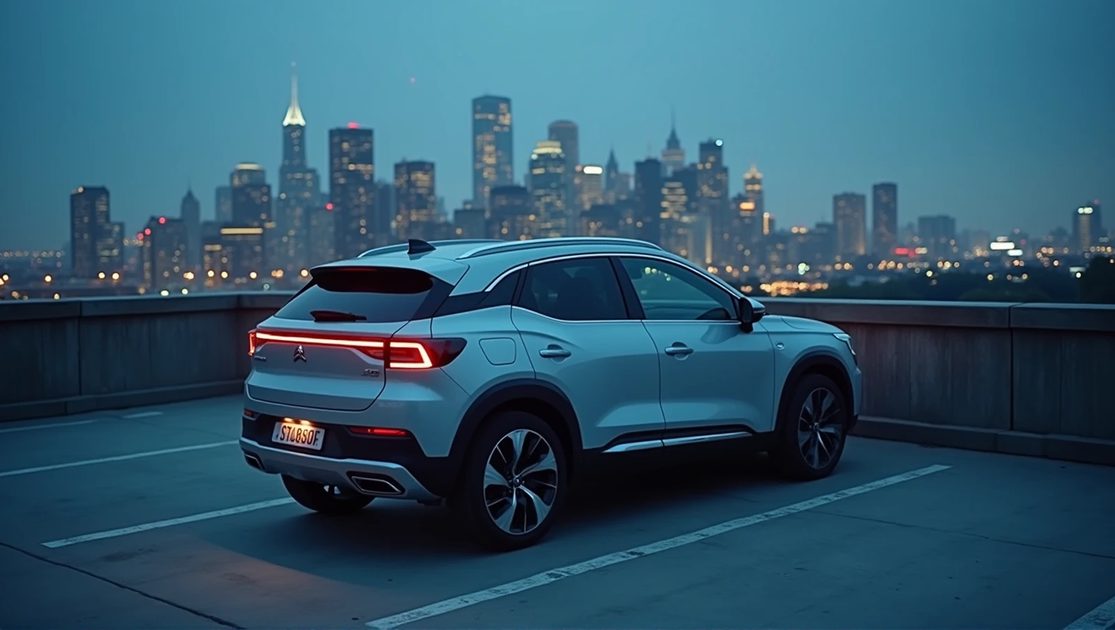
Global Auto Sales Flatline as EV Hype Cools and China Tightens Grip in 2026
The party isn't ending, but the music is definitely getting quieter. After a year of uneven recovery and shifting consumer sentiment, the automotive industry is bracing for a 2026 defined by stability rather than explosion. According to the latest projections from S&P Global, global light vehicle sales are expected to remain virtually steady at around 91.8 million units. That's a negligible bump from the 91.7 million units sold in 2025, marking a distinct slowdown in momentum as global GDP growth eases to 2.7%.
For automakers betting the farm on exponential growth curves, this near-flat outlook is a cold splash of water. It reflects a complex mix of market drivers and risks, including ongoing tariff impacts, semiconductor chip shortages, supply chain uncertainties, and high interest rates. But the biggest story isn't the stagnation; it's the recalibration of how we power these machines.
The Electrification Reality Check
Everyone wanted electric vehicles to take over the world overnight. Reality is proving more stubborn. In 2025, battery electric vehicle (BEV) sales surged by 29% year over year to approximately 14.6 million units, capturing a 16.1% share of global light vehicle sales. That looked like a hockey stick growth curve ready to pierce the ceiling.
For 2026, BEV sales are still projected to grow, but the pace is moderating. The forecast calls for a 19% increase to around 17.4 million units, representing about 19% of the global vehicle sales market. While double-digit growth is nothing to sneeze at, the slowdown signals a shift in strategy. Vehicle electrification is slowing in many regions as governments adjust regulations and incentives.
Tariffs, shifting carmaker targets, and evolving consumer adoption expectations are driving automakers to reassess model launches and investment plans. The summary outlook explicitly notes that hybrids are gaining traction as pure EV growth moderates. For a car that runs on a battery, having combustible range extenders back in the spotlight is a significant pivot. It suggests that while the industry is committed to electrification, the path is becoming hybrid-heavy rather than BEV-only.
Regional Winners and Losers
If you're looking for growth, you need to know where to look. The global aggregate number hides some drastic regional shifts that will define supply chains and manufacturing footprints for the next decade.
Mainland China is facing a contraction. Sales are forecast to decline by about 267,000 units in 2026, reflecting pull-ahead demand from 2025 incentives and slower economic growth. Overall, sales are expected to drop by about 590,000 units to 19.3 million. This is critical context for the influx of Chinese automakers deepening their global integration and local production elsewhere; the home market is saturating.
In the US, accelerated purchases ahead of anticipated price hikes are weighing on demand. Mexico faces a challenging year with sales down more than 8.7%—approximately 137,000 units. Meanwhile, Western and Central Europe project mild growth in 2026, with an increase of 260,000 units to 15.4 million. This increase is driven by improved real incomes, lower inflation, and a resilient labor market.
The real bright spot is South Asia. India will lead sales growth in 2026, adding 400,000 units. Overall, the region is set to grow by 5.3% to 10.4 million units. Taken together, these regional shifts underscore the complexity of the 2026 automotive industry outlook, with automakers facing contrasting regional challenges.
The Pricing Squeeze
Beyond volume and powertrains, the cost of getting behind the wheel is facing upward pressure. Global auto pricing in 2026 is being shaped by regulatory shifts, competitive pressures, and the race for tech-driven value. Rising cost and price pressures, especially in the latter half of 2026, could limit upside potential even further.
Chinese automakers are deepening global integration, which typically drives prices down through competition, but tariffs and local production requirements might counteract that benefit. Industry leaders are being prompted to rethink their approaches to value. It's no longer just about range or horsepower; it's about navigating a regulatory landscape that changes every quarter while keeping the MSRP digestible for a consumer dealing with high interest rates.
Stability might sound boring compared to the disruption of the early 2020s, but in an industry this capital-intensive, flat growth amidst geopolitical tension is its own kind of drama. The winners in 2026 won't be the ones chasing the highest EV percentages, but those who can balance hybrid demand, navigate regional tariffs, and keep pricing competitive when the global economy is holding its breath.



Travellers Write
No letters yet — be the first traveller to write.