
Stop Romanticizing the Past: Why This Is the Auto Industry's Golden Age
Matt Anderson, curator of transportation at The Henry Ford museum in Dearborn, isn't buying the nostalgia trip. According to the museum's latest analysis, we are living through the automobile's golden age. It's a bold claim for anyone who grew up listening to stories about the freedom of the open road in the 1950s, but the data backs it up. Since 1949, the industry has logged 75 years of development, resulting in machines that are objectively more powerful, efficient, and capable than anything that came before.
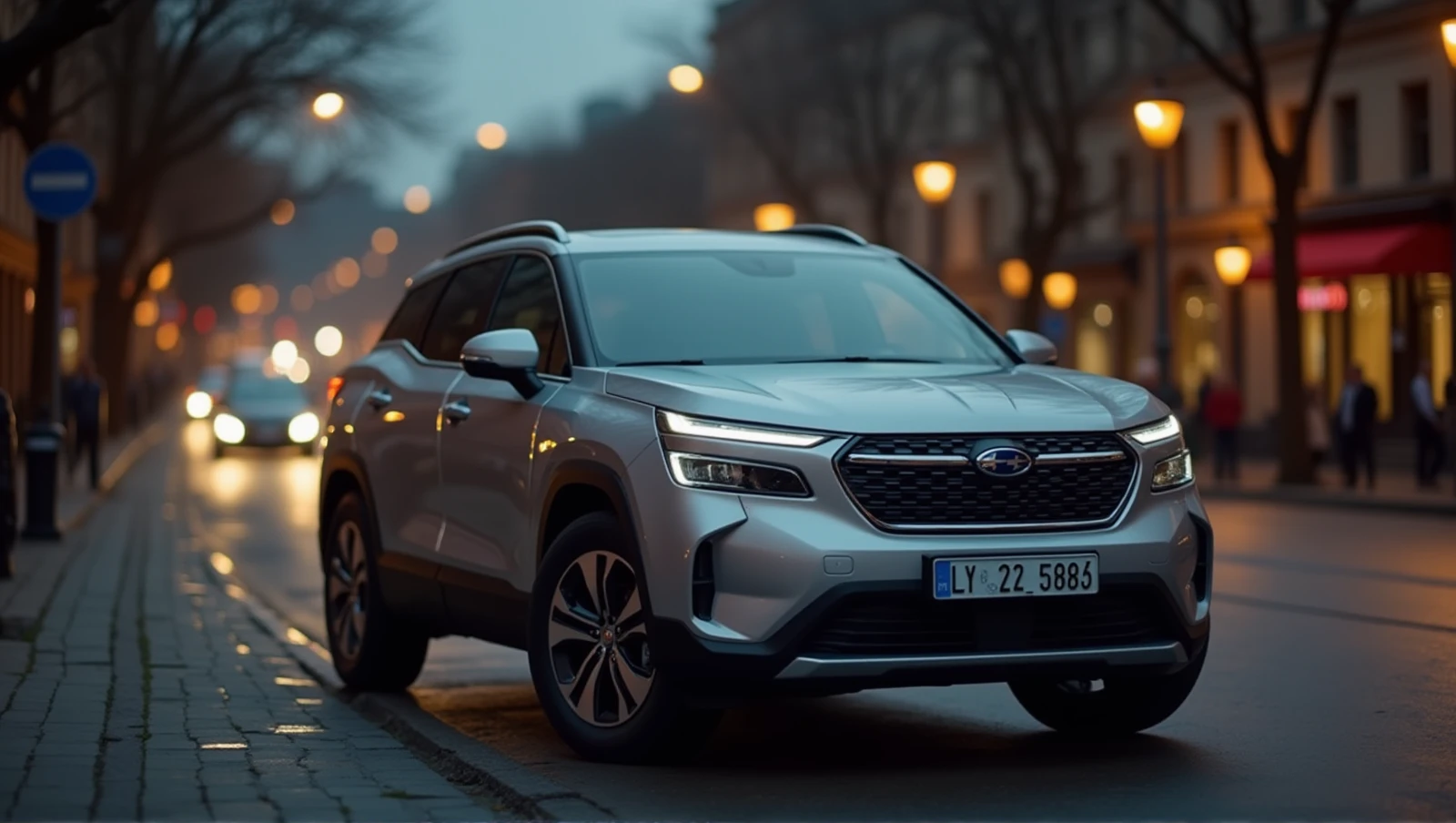
The editors of the first issue of Motortrend would struggle to recognize the current landscape. We are talking about 800-horsepower performance cars sharing the road with SUVs capable of 30-miles-per-gallon. Then there are the electric cars, trucks, and crossovers that barely existed in the public consciousness a decade ago. But the most critical metric isn't horsepower or range. It's survival.
The Safety Reality
For a industry often criticized for prioritizing style over substance, the safety statistics are the real headline. Vehicles today are the safest in history. Traffic deaths are hovering around 1.35 per 100 million vehicle miles traveled.
That number matters more than any 0-60 time. It represents a fundamental shift in how engineers prioritize occupant protection. While enthusiasts argue about torque curves and wheelbase measurements, the underlying architecture of the modern vehicle is designed to keep people alive in ways previous generations couldn't imagine. This isn't accidental. It's the result of decades of iterative engineering focused on survivability.
Regulation Over Market
There's a tendency to credit free-market competition for every leap forward in automotive tech. Anderson's assessment suggests otherwise. While market forces played a role, government regulations were even more influential in enabling these automotive miracles.
For a Detroit native, that's a nuanced take. The Big Three often wrestled with compliance costs, but those mandates forced innovation that consumers might not have demanded outright. Safety standards and emissions requirements pushed the industry toward technologies that eventually became selling points. The regulatory hammer didn't just constrain designers; it compelled them to solve problems they might have otherwise ignored.
The Import Effect
Another hard truth for domestic enthusiasts: many of the technologies making our modern glory days possible debuted on luxury cars before moving down market. Even more stinging for Motor City pride, many appeared in Europe or Japan before coming to the U.S.
The trickle-down effect is real. Features once reserved for high-end imports eventually became standard equipment on mainstream American haulers. This global exchange of ideas accelerated the pace of development. What started as a luxury differentiator in Europe often ended up as a safety mandate in Detroit.
The current era combines these threads—regulatory pressure, global competition, and luxury trickle-down—into a package that outperforms the past on paper. Whether you prefer the analog feel of a 1949 cruiser or the digital precision of a modern crossover, the objective measures point in one direction. The cars on the road today are the culmination of 75 years of pressure, regulation, and engineering refinement.
Anderson's review of the past 75 years highlights 10 of the most significant automotive advances that enabled this shift. While the specific technologies vary, the trajectory is clear. The industry has moved from simple mechanical transport to complex, regulated, safety-focused machinery. It might lack the chrome of the past, but it delivers where it counts.