The 2004 Honda Accord still shows up in used-car ads, backyard driveways, and insurance quote forms because it sits in a practical middle ground: old enough to be cheap, common enough for parts to be easy to find, and valuable enough that you should not shrug off coverage decisions. If you are shopping for a 2004 Honda Accord, the question is not whether it is a collector car. It is whether the car's age, mileage, and repair history make liability-only coverage the smart play or whether full coverage still earns its keep.
On a clean record, this sedan usually lands in a friendlier pricing bucket than a newer crossover with expensive sensors. That said, insurers look at more than nostalgia. They care about theft exposure, annual miles, garaging location, prior claims, and whether the car still has enough market value to justify collision coverage. A 20-year-old Accord can be a low-drama daily driver, but underwriters still price it like a real asset, not a lawn ornament.
Why age and market value matter
For a 2004 Honda Accord, the value story drives the rest of the conversation. A well-kept sedan with moderate miles might still trade for a few thousand dollars, while a rough example with faded paint, warning lights, and a sketchy service record may be worth far less. That gap matters because collision coverage is designed to pay for damage to your car after an at-fault crash, minus the deductible. If the payout would only be a little more than what you pay in premiums over a year, the math gets thin fast.
The same logic applies to comprehensive coverage, which handles non-collision losses like theft, hail, fire, vandalism, and hitting an animal. On an older Accord, comprehensive is often the cheaper half of the pair. A lower deductible can make sense if you park on the street or live where hail season does what hail season does. If the car is mostly a commuting tool and the premium is already low, that is when many drivers start trimming extras.
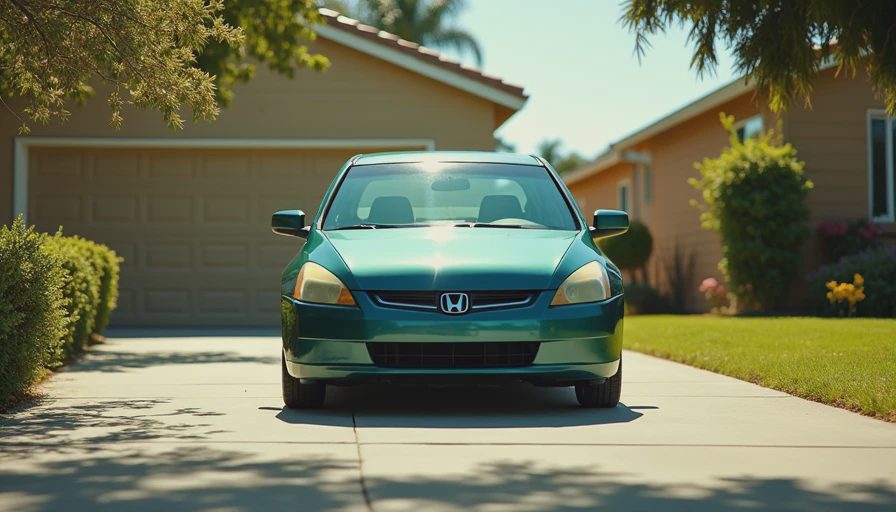
The repairs that change the bill
With a 2004 Honda Accord, repair history is not trivia. It changes how much risk you are really carrying. The 2.4-liter four-cylinder is generally known as the simpler bet, while the V6 brings a timing-belt service that should not be ignored. Automatic transmissions from that era also have a reputation that still shows up in used-car discussions, which is another way of saying a cheap buy can turn into an expensive calendar entry.
Small damage adds up quickly, too. A bumper cover, headlamp assembly, wheel, or radiator support can run into the high hundreds or low thousands once labor is included. That is why a deductible of $500 versus $1,000 is not just a number on a page; it changes whether a claim is worth filing. If one repair bill would wipe out two years of savings, the coverage choice is probably wrong. A solid maintenance file, recent tires, and proof of routine service can also help a quote look less risky to the insurer.
Coverage that usually fits the car
For a 2004 Honda Accord, liability coverage is the first line item that should get attention. State minimums are legal, not generous, and one bad crash can eat through them fast. Higher bodily injury and property damage limits protect you from the kind of claim that turns a cheap sedan into a very expensive mistake. If the car is financed, the lender will usually require collision and comprehensive; if it is paid off, the decision is more about value and cash flow.
Uninsured and underinsured motorist coverage deserves a close look in a lot of states. It can step in if the other driver has too little insurance, which happens often enough that it should not be treated as a theoretical problem. Medical payments or personal injury protection can also matter depending on your state and your health plan. The point is not to buy every bell and whistle. It is to buy the pieces that match a car with modest value but real daily use.

What to check before you request quotes
Before you ask for a price on a 2004 Honda Accord, get the details right. The VIN, trim level, engine, annual mileage, address where the car is parked, and any claims in the last three to five years all matter. A coupe and a sedan do not always price the same way. Neither do a commuter car with 8,000 miles a year and one with 18,000.
If the car has aftermarket wheels, a stereo, remote start, or other mods, mention them. Some equipment can raise value slightly; some changes do nothing for the premium and only complicate a claim. Anti-theft devices, multi-policy discounts, and a clean driving record are the easy wins. This is also where shopping multiple carriers helps. GEICO and Progressive are often strong starting points for fast online quotes, while State Farm and Nationwide still make sense if you want a local agent in the loop. The carrier matters less than the quote outcome, but the channel can make the process faster or slower.
When the numbers say to keep shopping
Here is the clean way to look at it. If the car's annual premium with full coverage is eating up a meaningful slice of the sedan's value, liability-only may be the smarter setup. If the car is in strong shape, the commute is long, or you would be stuck replacing it tomorrow, full coverage can still make sense even on an older platform. The break point is not mystical. It is the premium, the deductible, and the market value all sitting on the same page.
A practical quote check is simple: compare three to five carriers, keep the deductibles consistent, and compare apples to apples on bodily injury, property damage, comprehensive, and collision. If one quote is $40 a month lower because it quietly drops coverage, that is not a bargain. It is just a cheaper receipt. For a driver shopping an older sedan, the best result is usually the one that keeps the car protected enough without paying for more than the car is worth. One more useful check: run the quote with and without comprehensive if the car is stored in a garage and has a low book value. If the annual difference is small, keep the protection. If the gap is large, put that money toward a deductible fund instead of buying coverage you may never use. Insurance works best when the numbers are blunt. That is the sort of decision an aging Accord deserves: plain math, not a hunch.



Travellers Write
No letters yet — be the first traveller to write.