
2026 Auto Tech Reality Check: EVs Cool Off, Hybrids Rebound, and Cars Keep Turning Into Computers
The auto industry’s big 2026 pivot isn’t a shiny concept car—it’s a cold splash of market reality: EV momentum is expected to slow, and automakers are increasingly eyeing hybrids as the “good enough” bridge while the rest of the tech stack (software, connectivity, safety systems) keeps marching on.
A few things driving the conversation, per Epicflow’s 2026 outlook: electrification is still the headline act, self-driving R&D is still soaking up oxygen, and alternative fuels remain in the lab mix. But the backdrop matters. Supply chain issues are still hanging around in 2026 like that check-engine light you keep ignoring.
The bigger point: for roughly a century, carmakers obsessed over building a better metal box at scale. Now the box is being repackaged as a computer on wheels—loaded with connectivity, sensors, and software layers that increasingly define the ownership experience as much as horsepower ever did.
EVs don’t vanish in 2026—they just hit friction
Epicflow frames electrification and software integration as the two forces with “essential impact” in 2026. Electrification stays central, but the tone shifts from “unstoppable rise” to “complicated rollout.”
The source calls out a projected EV slowdown in 2026, tied to four concrete pressures:
- Ongoing trade tensions between China and the West
- Competition with Chinese EVs
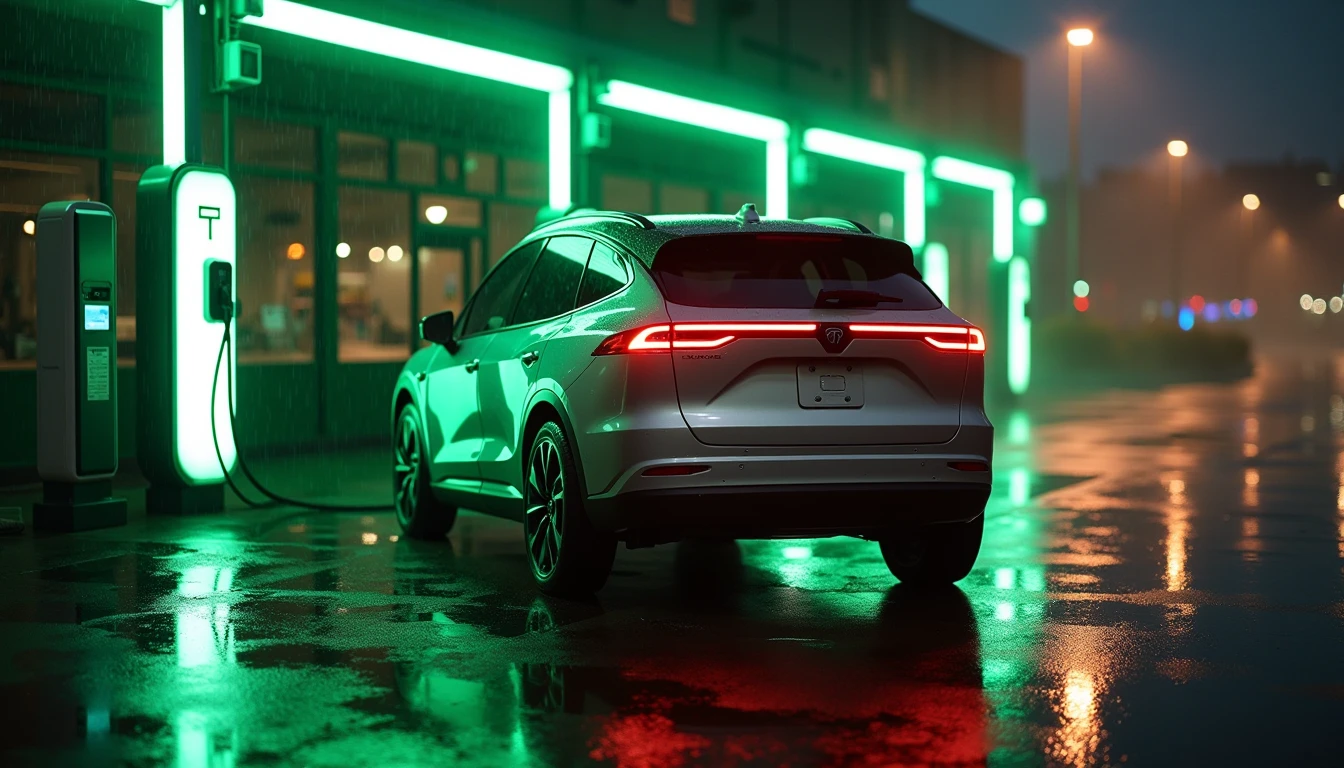
- Infrastructure challenges, including availability of charging stations and supply chain issues
- High costs of EV manufacturing—and the resulting high prices for customers
That’s the less glamorous part of the EV transition. It’s not that consumers suddenly forgot how electricity works; it’s that charging availability, affordability, and geopolitical supply-chain math are still dictating how fast this can realistically scale.
Epicflow’s implied industry response is pragmatic, not ideological: shift more focus to hybrid models because they’re “cheaper and more adaptable.” Translation for enthusiasts: the near-term product plan likely gets heavier on HEVs while pure EV programs keep moving—but with more careful pacing.
And yes, battery tech remains the long pole. The piece points to the evolution beyond traditional lithium-ion limitations, highlighting solid-state batteries as a potential replacement because they can offer higher energy density and be “safer, more stable, and cost-effective.” That’s the kind of promise that keeps showing up in deck slides and conference panels—because if it lands at scale, it changes everything from range targets to packaging to thermal management headaches.
Cars as smartphones on wheels: connectivity, VR/AR, and software process
Epicflow doesn’t mince words about where the modern vehicle is headed: less “transport appliance,” more “smartphone or computer on wheels.” It’s a familiar line, but it keeps getting truer as automakers stack on new digital features and the supporting backend.
The source frames new automotive tech as a mix of product innovation and manufacturing efficiency—powered by AI, additive manufacturing, the Internet of Things, and 5G. You can read that two ways:
1) The car itself gets more connected and software-defined.
2) The factory and development pipeline get more digitized so these complex vehicles can be built, updated, and supported.
The article also flags immersive VR/AR technologies as part of the trend set defining the industry’s future. That can mean everything from design and engineering workflows to customer experience—because once a vehicle becomes a rolling software platform, the buying, configuring, and servicing experience gets dragged into the digital era too, whether customers asked for it or not.
A notable detail in Epicflow’s piece is the mention of automakers adopting PMO software to standardize execution of complex projects with globally distributed teams and ensure compliance with industry standards. That’s not the fun part of car culture, but it might be the most honest. The modern vehicle program is no longer just a mechanical engineering marathon; it’s a multi-continent software-and-hardware project that lives or dies by coordination, process discipline, and timelines. If you’ve wondered why launches slip or features arrive half-baked, this is the unsexy reason companies are investing in project governance tools.
The trend list is familiar—what’s different is the timing
Epicflow’s roundup of recent and continuing trends reads like the greatest hits of the last decade:
- Electrification
- Self-driving cars
- Connectivity
- Sustainability
- Mobility-as-a-Service
- Implementation of advanced safety features
None of those are surprises to anyone who’s watched major auto shows since 2012 (hi, that’s me). What’s changed is that 2026 is shaping up to be less about bold proclamations and more about execution under constraints.
Electrification continues, but with a speed limiter imposed by infrastructure, pricing, and politics. Self-driving research stays in motion, but it’s not presented as a done deal—just a continuing focus. Connectivity and safety tech keep expanding because they’re now baked into how automakers pitch value, not just how they chase ratings or satisfy regulators.
And sustainability keeps widening beyond tailpipes. Epicflow’s framing suggests the industry is being reshaped not only by technology but also by “social demand,” with the future leaning toward “accessible mobility” that’s more flexible and individualized. That’s the high-level vision; the day-to-day reality is automakers trying to make profitable products while supply chains and charging networks behave like they’ve got their own agendas.
If there’s a single takeaway from this 2026 outlook, it’s that the industry’s transformation is still the story—but the plot is getting more complicated. EVs aren’t a straight-line adoption curve, hybrids are back in the conversation for practical reasons, and the software layer is no longer optional. The car is becoming a computer. The question is whether the industry can ship that computer at scale, on time, and at a price people will actually pay.